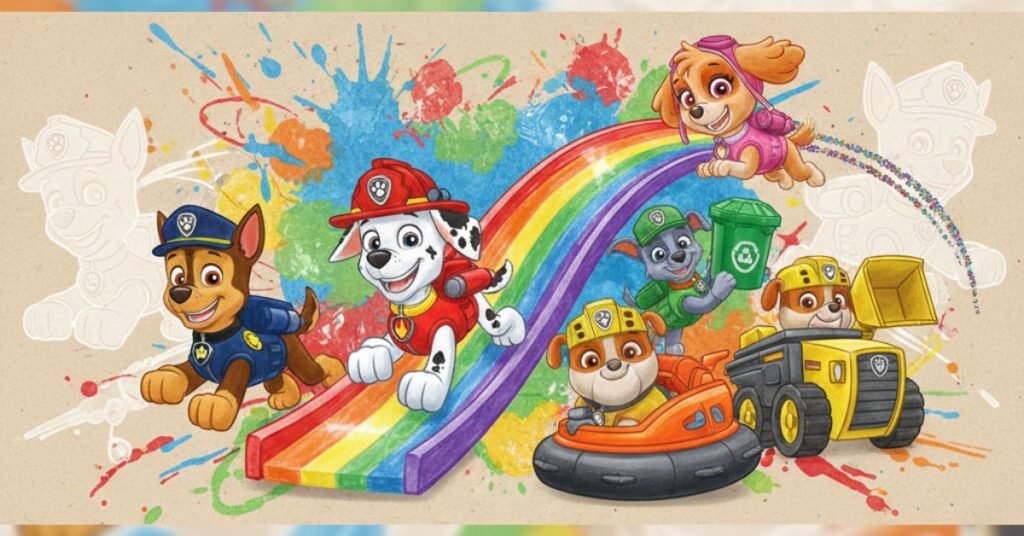
Paw Patrol coloring pages give young fans a way to revisit rescue pups, badges, vehicles, and teamwork through hands-on play. Some designs feature one pup in a clear pose, while others show equipment, a lookout setting, or a multi-character mission. Children can use familiar uniform colors or create a new rescue team with original badges and vehicle schemes.
A useful way to begin is to ask what problem the team is solving. The answer can guide the background: blue for a water rescue, earthy colors for a trail, or bright festival colors for a community event. Children who enjoy action-centered character pages may also like Mario coloring pages, where motion, tools, and imaginative settings support a different kind of adventure.
Start With the Mission, Not the Marker
Look at the pup’s uniform, vehicle, and pose for clues. A helmet may suggest a construction or safety job, wings may point to an aerial task, and a life ring suggests water. Naming the mission first turns the palette into a set of choices: which colors need to stand out, what time of day is it, and where is the team working?
For children who prefer a familiar look, keep a reference nearby without treating it as a test. A recognizable uniform can anchor the page, while the sky, landscape, signs, and rescue object remain open for invention. This balance supports both character recognition and personal expression.
Meet the Scenes in This Rescue Collection
The set includes pup portraits, vehicles, badges, a lookout, and several team situations. Open shapes make some pages accessible to younger colorists; mechanical details and multi-part backgrounds give older children a longer challenge. Each page can stand alone or become one chapter in a sequence of rescue stories.
Paw Patrol Coloring Pages for Different Missions
Pup Portraits and Rescue Gear
Page 1: Police Pup Badge
The badge and uniform provide familiar focal points, while cones and an open background leave room for a road, crossing, or town sign. Use contrast so safety details are easy to notice.
Page 2: Fire Pup Rescue
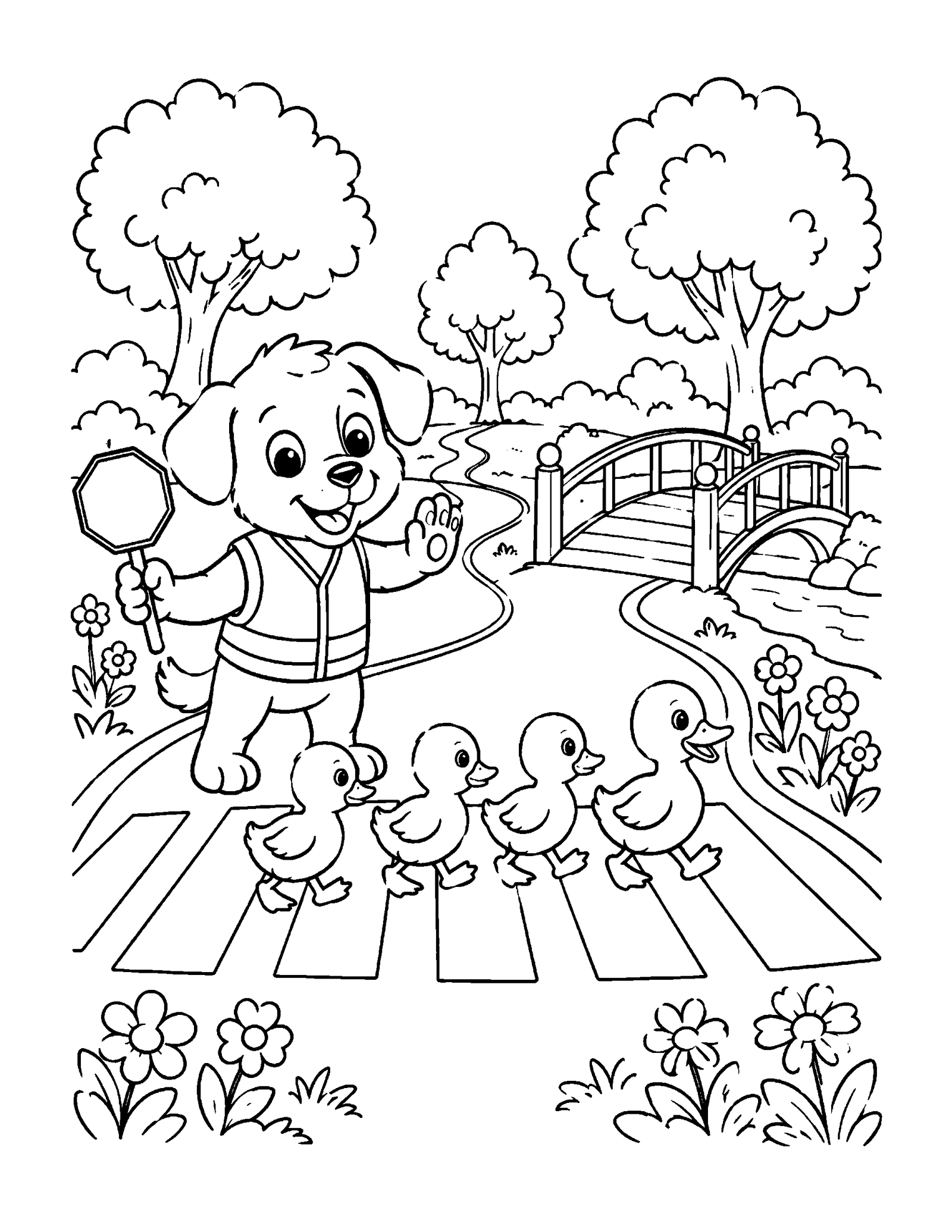
A helmet, hose, and truck create several connected shapes. Children can color-code the equipment, add water spray lines, and decide what safe community problem the pup is helping to solve.
Page 3: Flying Pup
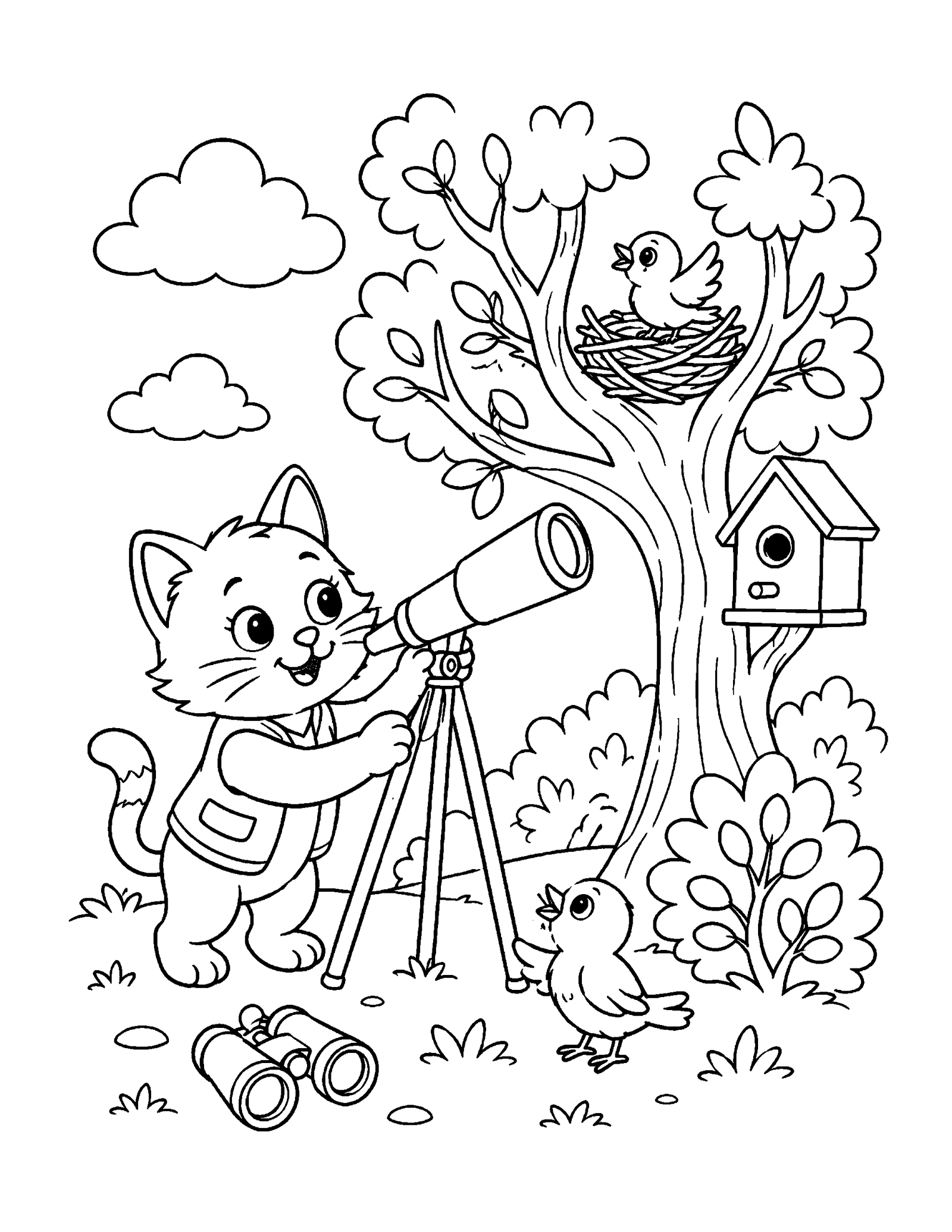
Large clouds balance the smaller harness and wing details. Try a sunrise, daytime, or sunset palette, then add curved motion lines to show how the pup is turning.
Page 4: Construction Pup
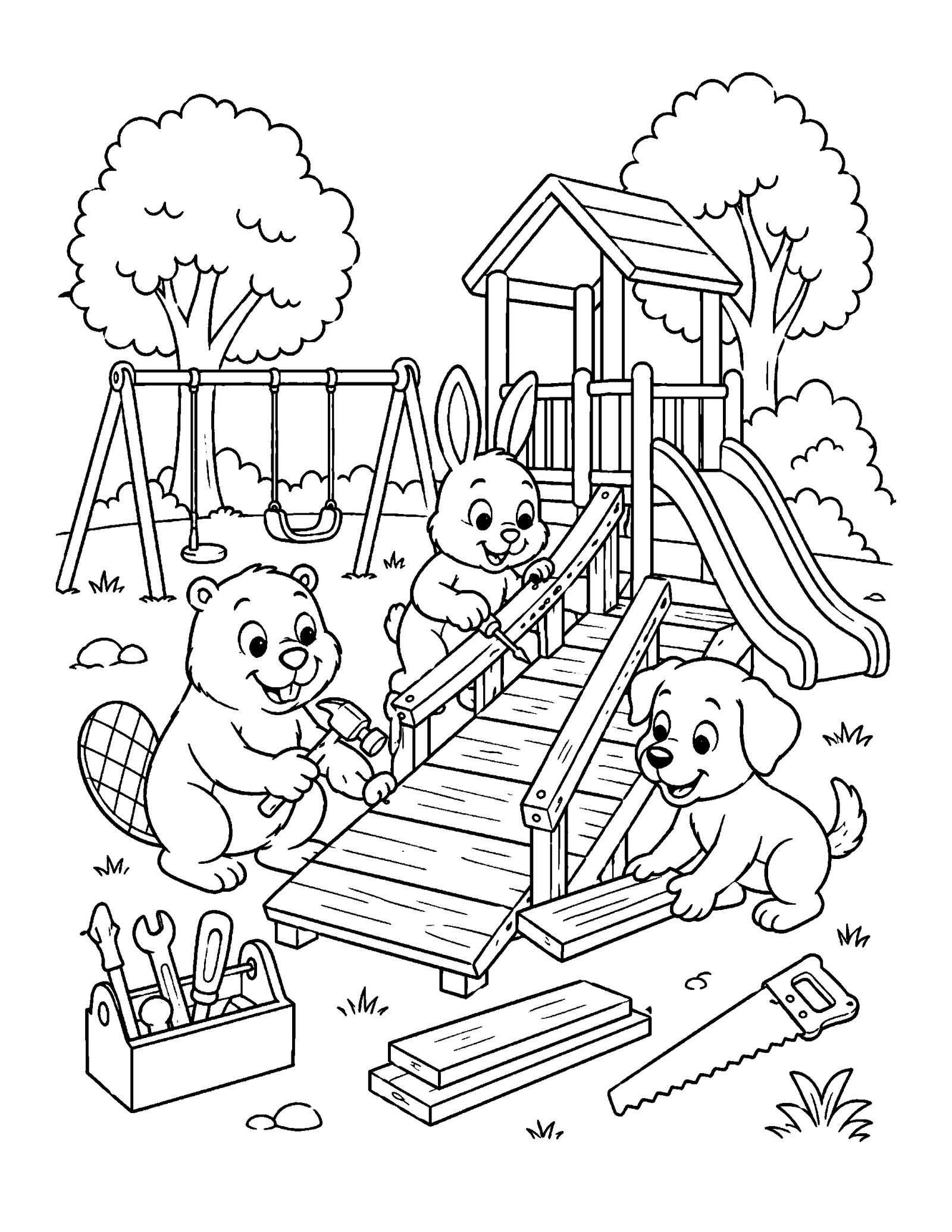
The digger offers broad panels for markers or crayons, while tools and treads reward careful pencil work. Add gravel, signs, or a simple building plan in the open space.
Vehicles, Teamwork, and Community Scenes
Page 5: Lookout Briefing
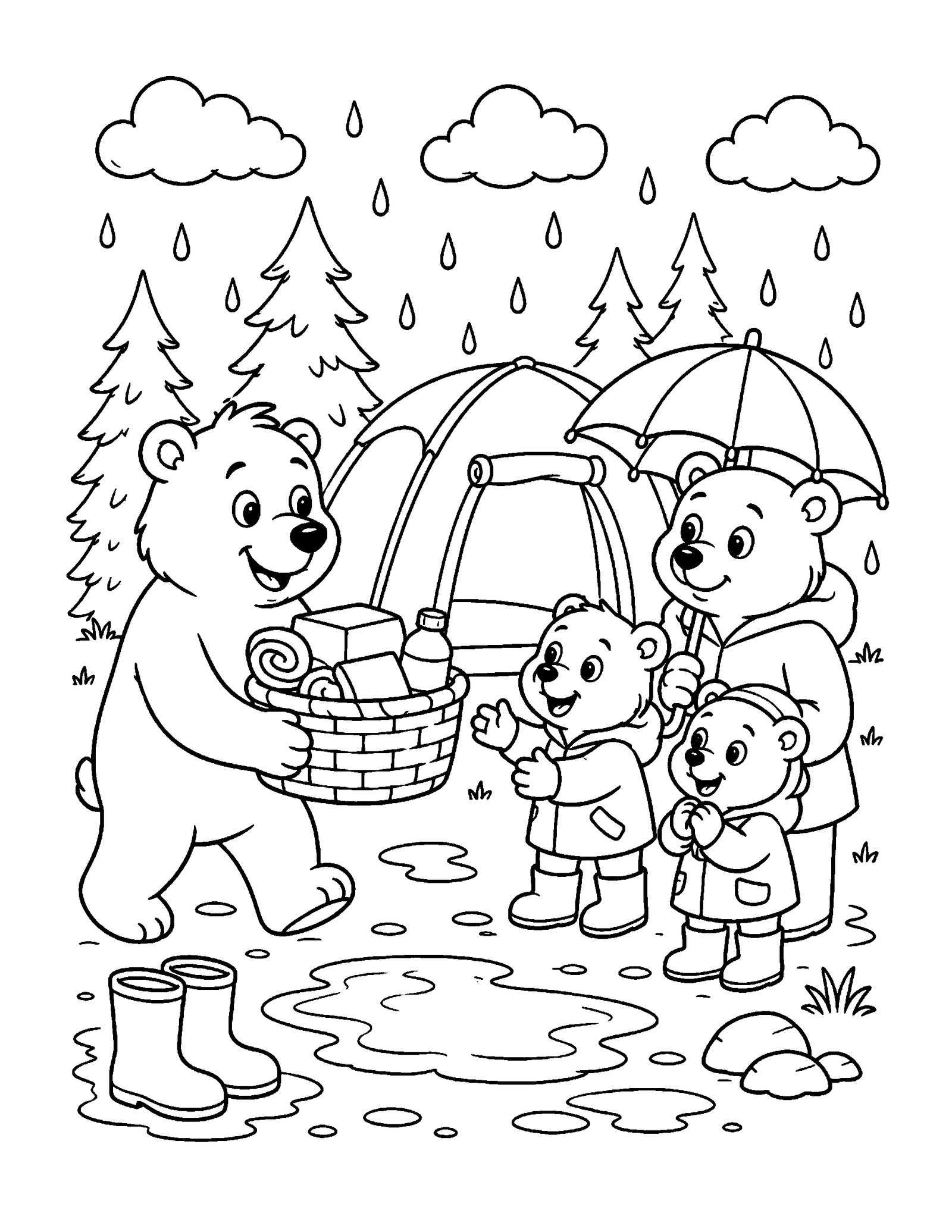
This group composition asks children to distribute color across characters and a tall structure. Use one repeating accent on badges or equipment to make the team feel connected.
Page 6: Water Rescue
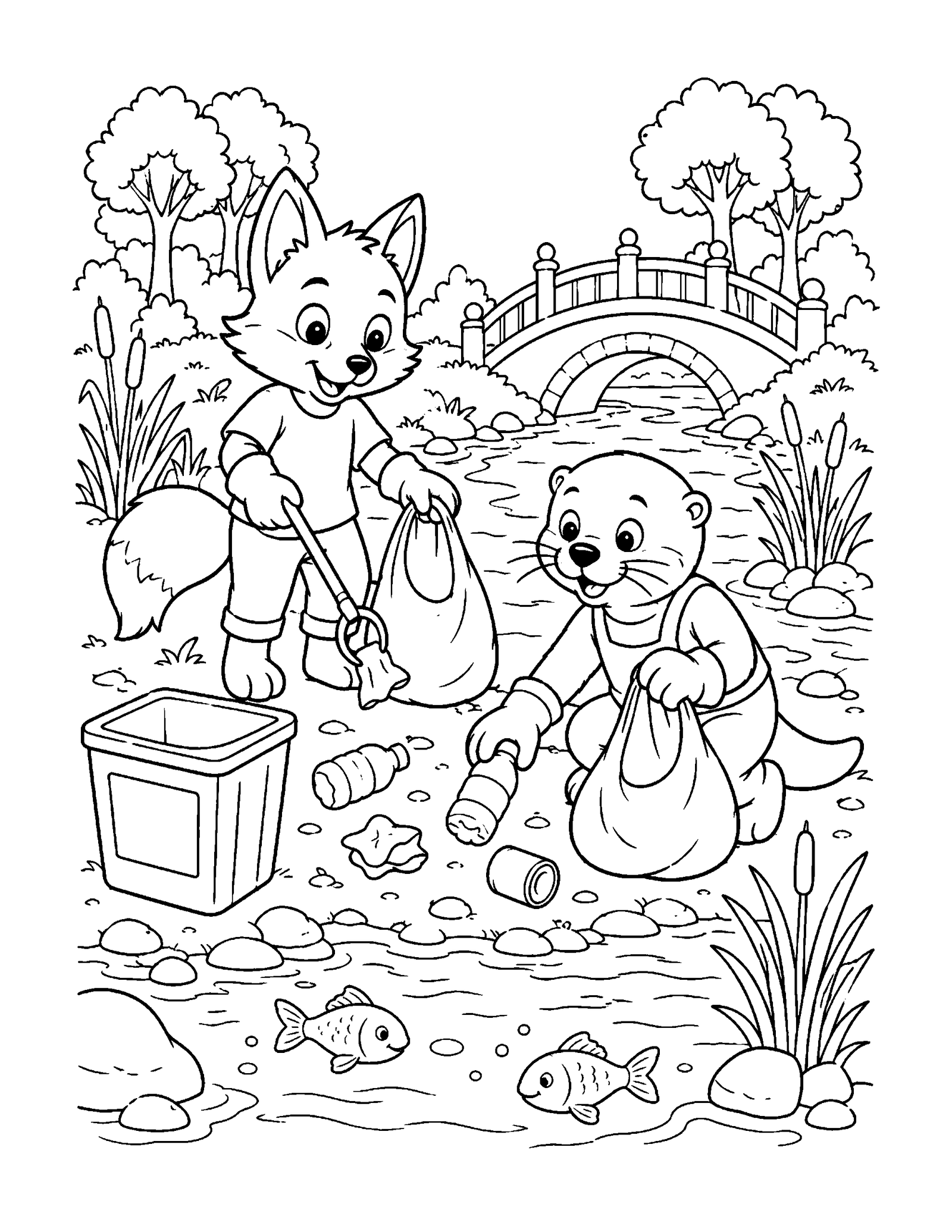
Waves, a boat, and a life ring establish a clear mission. Layer two or three blues for the water, then choose bright equipment colors that remain visible against the scene.
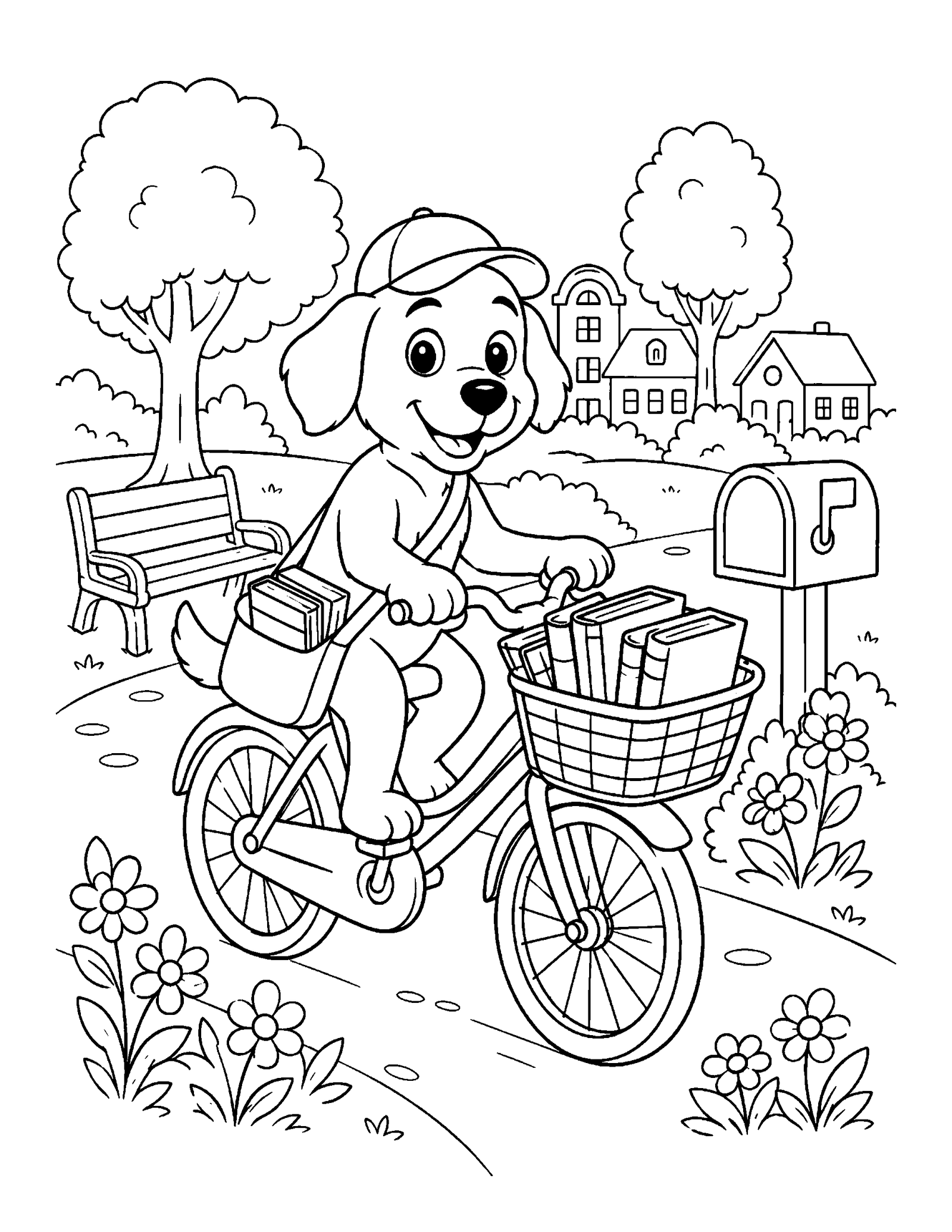
Page 7: Mountain Trail
Trees, rocks, a trail, and backpacks invite natural textures and map-making details. Children can draw a destination flag or footprints to explain where the team is headed.
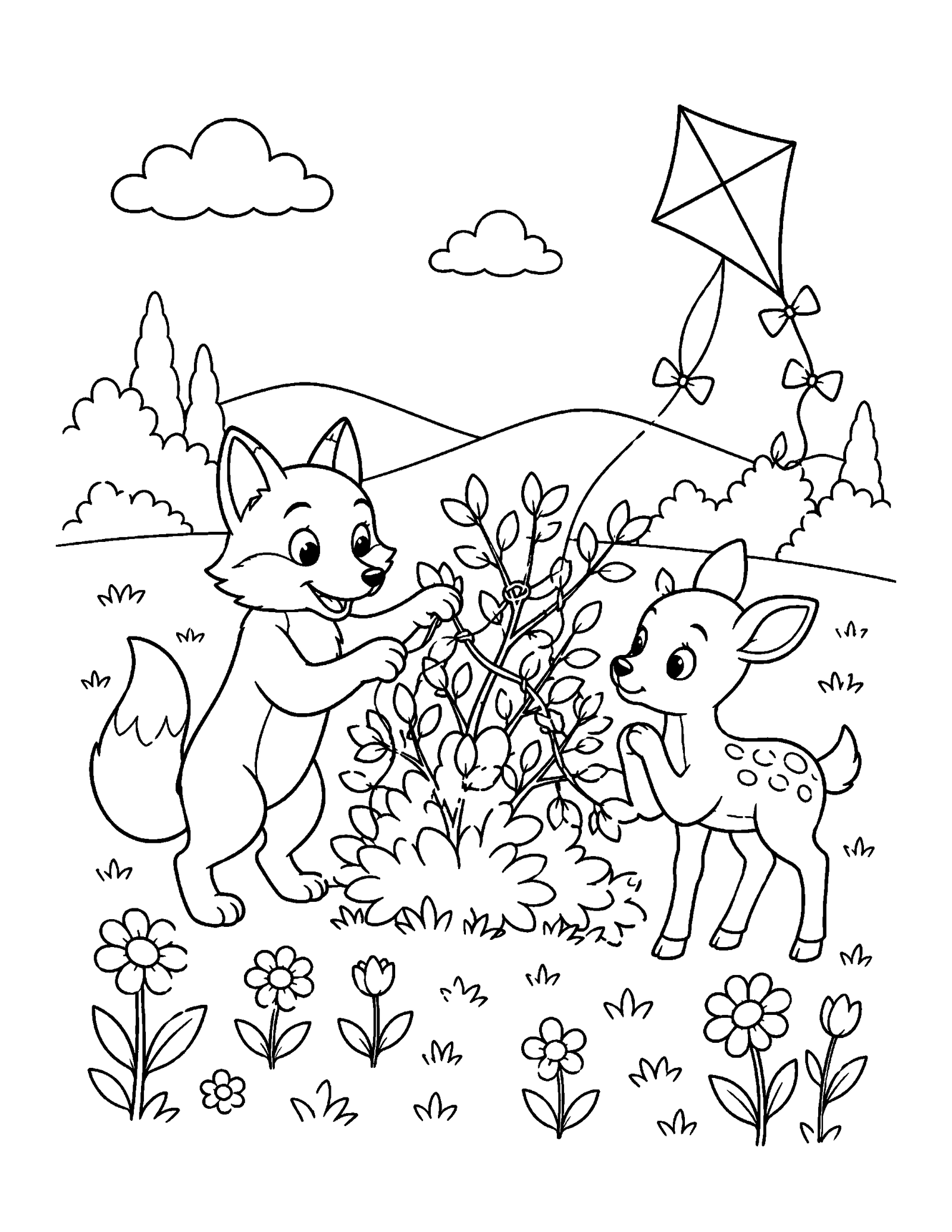
Page 8: Rescue Vehicle Lineup
Broad vehicle panels suit bold coloring, while wheels, lights, and badges provide smaller details. Repeat one neutral tire color and vary the body palettes for visual order.
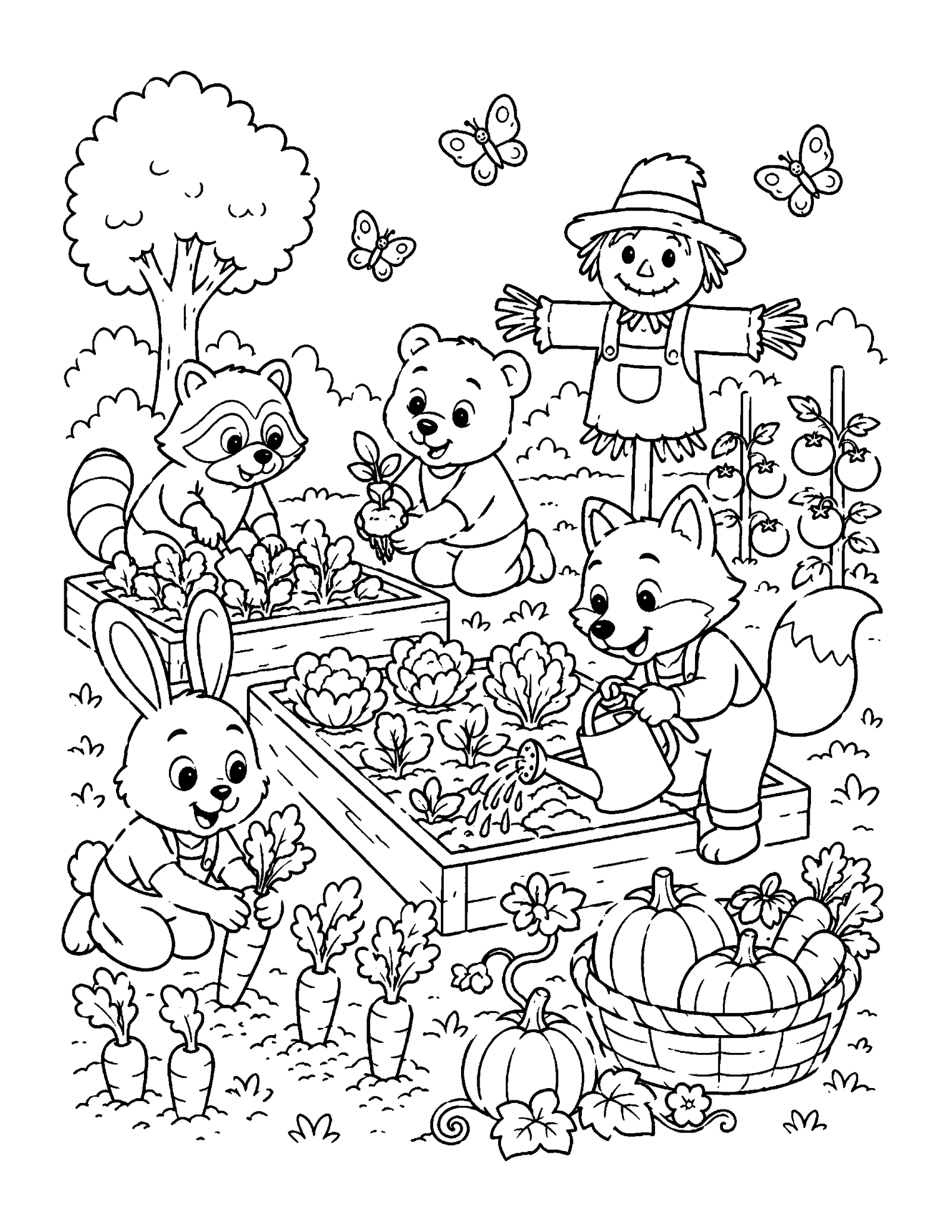
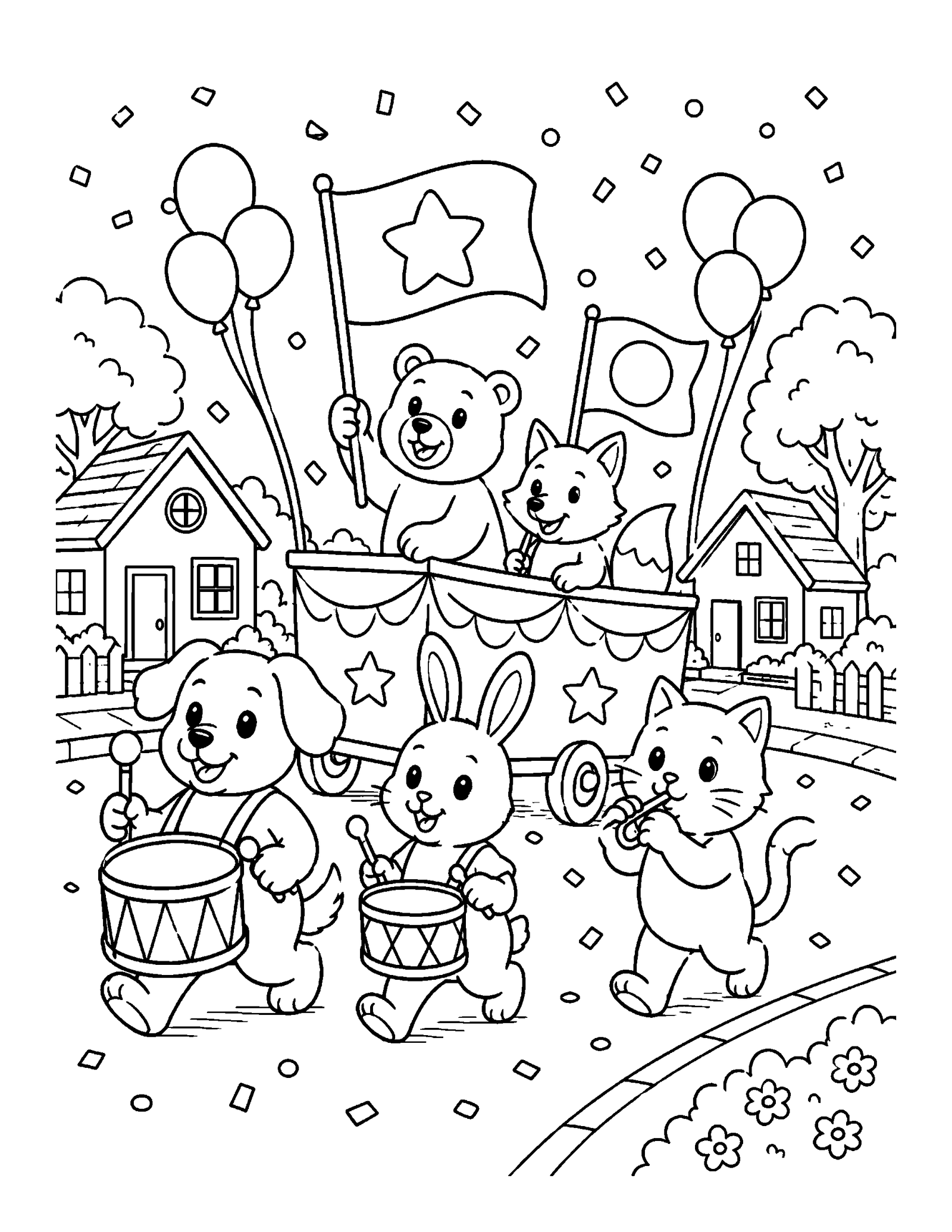
Page 9: Community Festival
Flags, balloons, signs, and uniforms create a lively page without a danger scene. Children can design a festival theme and use repeating colors to connect decorations across the page.
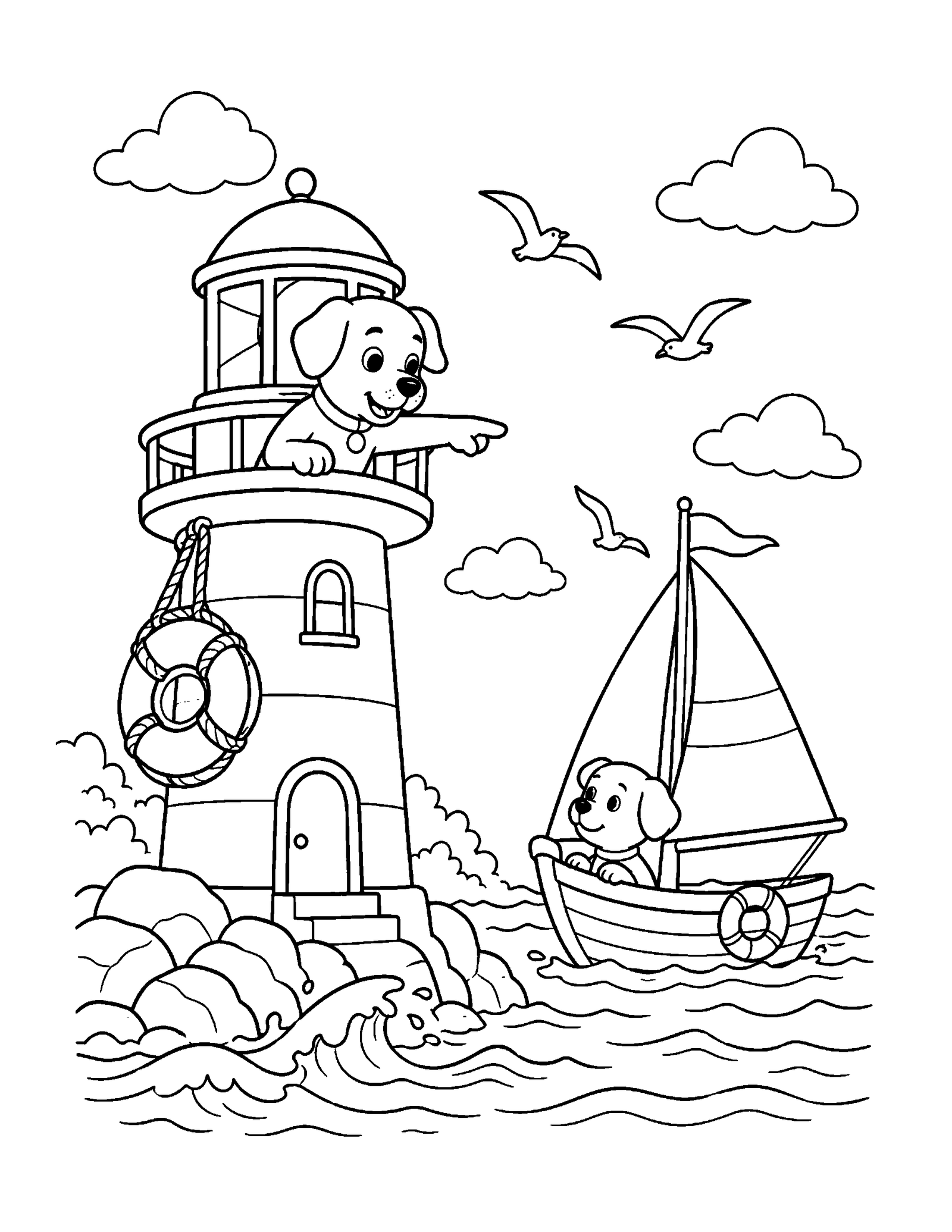
Page 10: Mission Complete
A group pose makes a satisfying final page. Give each pup a recognizable accent, then choose a simple background so faces, badges, and equipment remain the main focus.
Color Uniforms, Fur, and Vehicles in Layers
Begin with fur because it often sits behind uniform edges and straps. Use light pressure near the face, then deepen color around ears, paws, or shadowed areas. Color the uniform next and save badges, buckles, vehicle lights, and eye details for sharpened pencils or fine-tip tools.
Vehicles read clearly when the body, windows, tires, and safety lights have distinct values. A medium body color, pale windows, dark tires, and one bright accent can work even when the palette is completely invented. Avoid making every part equally dark, because equipment details may disappear.
Make a Cooperative Rescue Map
Place a finished scene beside a blank sheet and draw a simple route from the lookout to the mission location. Add three landmarks, a start point, and a finish point. Children can describe which pup handles each step and what equipment is needed, practicing sequence and shared planning through pretend play.
For a broader animal theme, animal coloring pages can introduce wildlife that might appear near a trail, farm, forest, or shore. Keep scenarios gentle and age-appropriate, focusing on helping, returning an object, guiding a lost animal, or preparing a safe community event.
Printing for Group Missions
Open the full-size page, select portrait orientation, and fit the design within the printable area. Regular paper is appropriate for crayons and pencils; heavier stock handles markers, collage, or display mounting. Print a test sheet before a classroom set to make sure badges and vehicle outlines are crisp.
Assign shared tools by color family instead of giving every child a separate box. One tray can hold skin and fur tones, one can hold brights, and one can hold blues and greens. This makes collaboration part of the activity and helps supplies return to the correct place.
A Gentle Option for Younger Colorists
Younger children may prefer one pup, one badge, or one vehicle with large open spaces. If the rescue scenes feel too busy, baby coloring pages offer simpler subjects and generous shapes that can work well for developing grip and boundary control.
Frequently Asked Questions
Do children need to match the pups’ familiar uniform colors?
No. Familiar colors can help with recognition, but original uniforms, badges, and vehicles are welcome. The mission can guide a completely new palette.
Which page is easiest for a preschool colorist?
Choose a single-pup portrait or large badge with few background details. Thick crayons and a page printed at full size make broad areas easier to reach.
How can these pages encourage teamwork?
Let two children share one group scene or assign each child a part of a rescue map. They can explain how their sections connect and agree on one repeating team color.
Can a completed page become a classroom display?
Yes. Mount each page on matching paper and add a one-sentence caption describing the mission, helper, or piece of equipment. Avoid ranking the artwork.
Is this an official Paw Patrol collection?
No. This independent editorial collection does not claim affiliation with the show, studio, or rights holders.
Teamwork Missions Beyond the Page
Mission prompt 1: draw a route with three safe community landmarks. Choose a calm community setting, identify the team’s goal, and assign one visible clue to each helper role. Use color to separate safety equipment from the landscape and repeat a single accent across badges or vehicles. Retell the mission from start to finish, emphasizing cooperation, preparation, and a reassuring solution rather than danger or competition. Finish with a one-sentence team report describing what everyone learned or completed together.
Mission prompt 2: invent a badge symbol for a new helper role. Choose a calm community setting, identify the team’s goal, and assign one visible clue to each helper role. Use color to separate safety equipment from the landscape and repeat a single accent across badges or vehicles. Retell the mission from start to finish, emphasizing cooperation, preparation, and a reassuring solution rather than danger or competition. Finish with a one-sentence team report describing what everyone learned or completed together.
Mission prompt 3: compare aerial, water, and trail color palettes. Choose a calm community setting, identify the team’s goal, and assign one visible clue to each helper role. Use color to separate safety equipment from the landscape and repeat a single accent across badges or vehicles. Retell the mission from start to finish, emphasizing cooperation, preparation, and a reassuring solution rather than danger or competition. Finish with a one-sentence team report describing what everyone learned or completed together.
Mission prompt 4: assign team jobs for a gentle make-believe mission. Choose a calm community setting, identify the team’s goal, and assign one visible clue to each helper role. Use color to separate safety equipment from the landscape and repeat a single accent across badges or vehicles. Retell the mission from start to finish, emphasizing cooperation, preparation, and a reassuring solution rather than danger or competition. Finish with a one-sentence team report describing what everyone learned or completed together.
Enjoy These Paw Patrol Coloring Pages
Paw Patrol coloring pages are most engaging when a picture becomes a small teamwork story. Select a pup or vehicle, name a safe and helpful mission, and choose colors that make equipment, badges, and scenery easy to understand. A finished page can remain a quiet activity or grow into a map, caption, group display, or sequence of rescue scenes.