
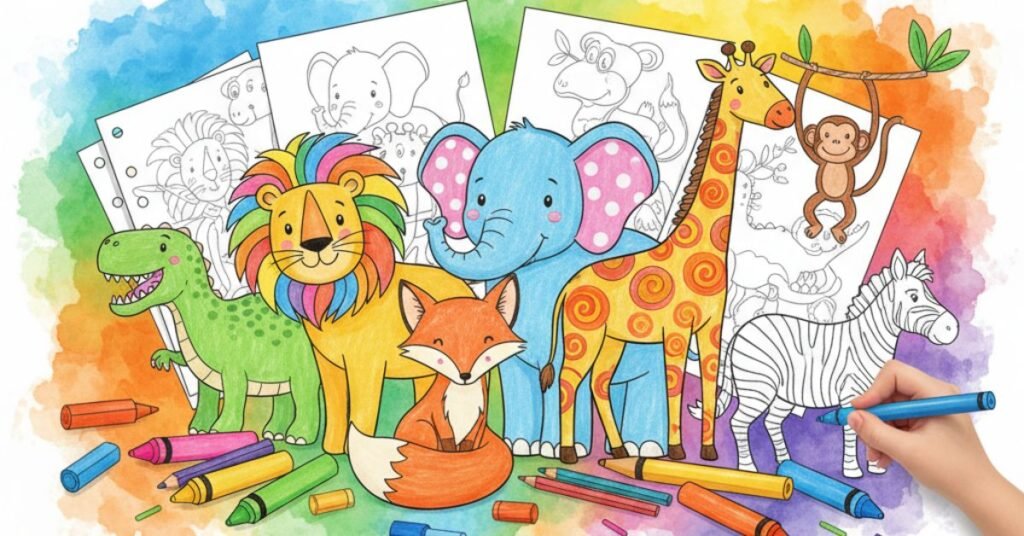
Animal Coloring Pages for Curious Young Nature Artists brings together ten printable scenes for young animal lovers, families, caregivers, and teachers building nature vocabulary. The collection is designed for practical use at home, in a classroom, during quiet time, or as the starting point for a larger craft. Each page leaves room for personal choices, so colorists can follow familiar references or build a completely new world.
The exact phrase animal coloring pages describes the activity clearly: choose a scene, open the full-size page, print it, and add color at a comfortable pace. For a closely related first stop, explore farm animal coloring pages. This rewritten guide replaces the former generic overview with page-by-page context, safer printing advice, and topic-specific ideas.
What This Collection Includes
This set approaches habitats and animal recognition through a mix of simple subjects and fuller scenes. Younger children can begin with large shapes and clear outlines, while older colorists can add shadows, patterns, backgrounds, and small decorative details.
A useful palette might include realistic nature colors or imaginative rainbow combinations chosen with purpose. Those suggestions are only a starting point. Invented colors can communicate mood, weather, personality, or story just as effectively as familiar colors.
Before printing every page, preview the collection and let each person select a scene that suits their attention span and preferred level of detail. Choice makes the activity feel inviting and reduces unused paper.
Travel Across Habitats With Ten Animals
10 Printable Animal Coloring Pages
Choose a design below, open the full-size image, and print it for your coloring activity.
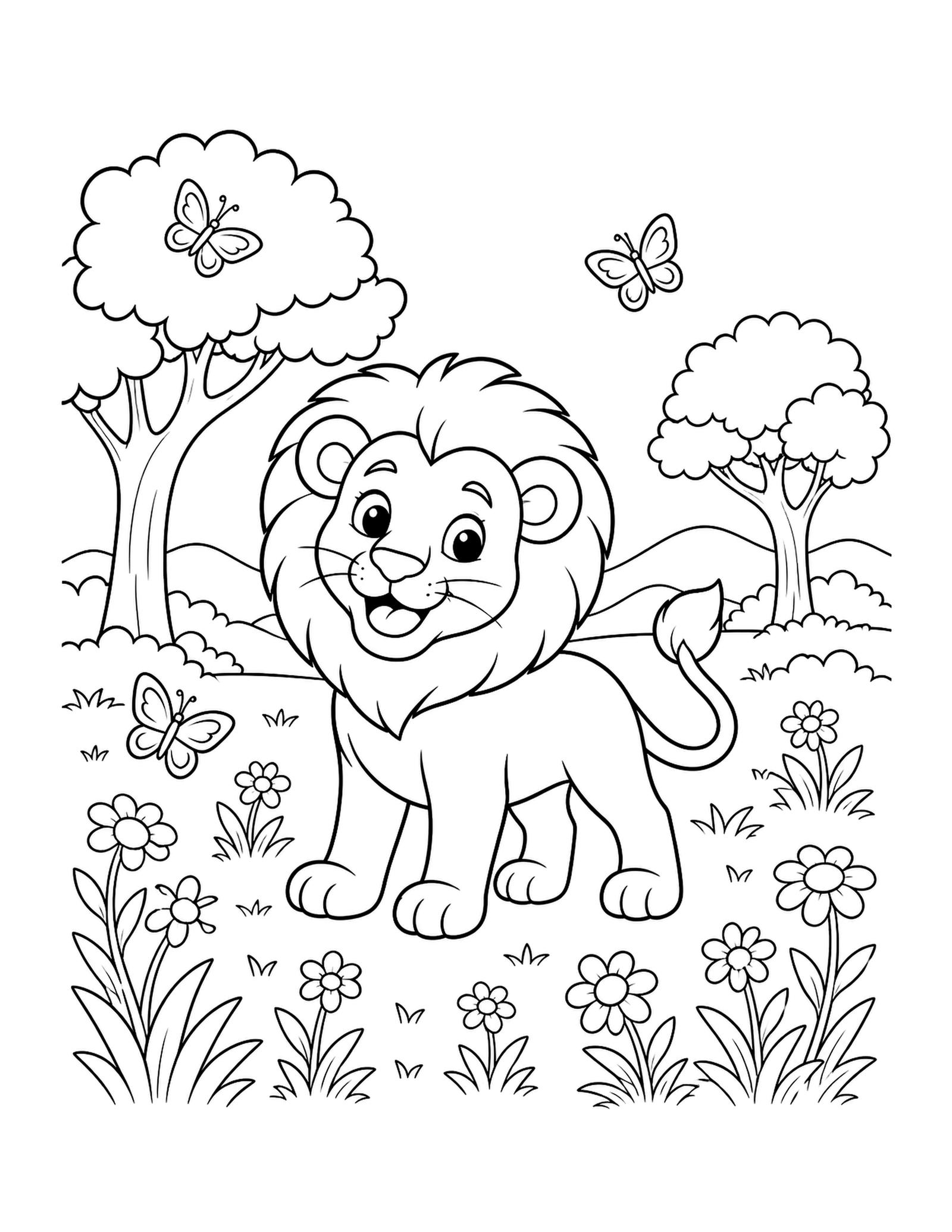
Happy Lion in the Grassland
A printable coloring page featuring happy lion grassland.
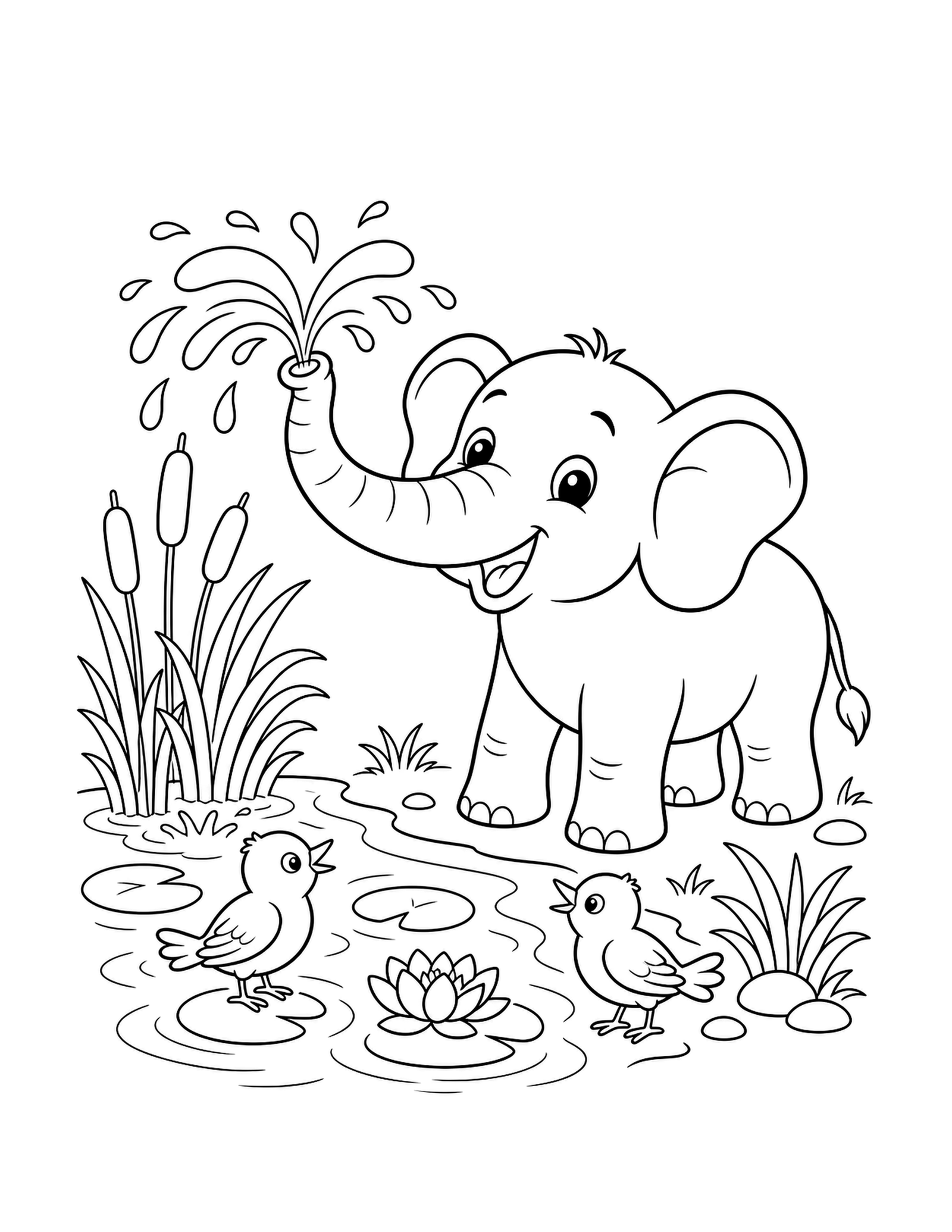
Elephant Spraying Water
A printable coloring page featuring elephant water spraying.
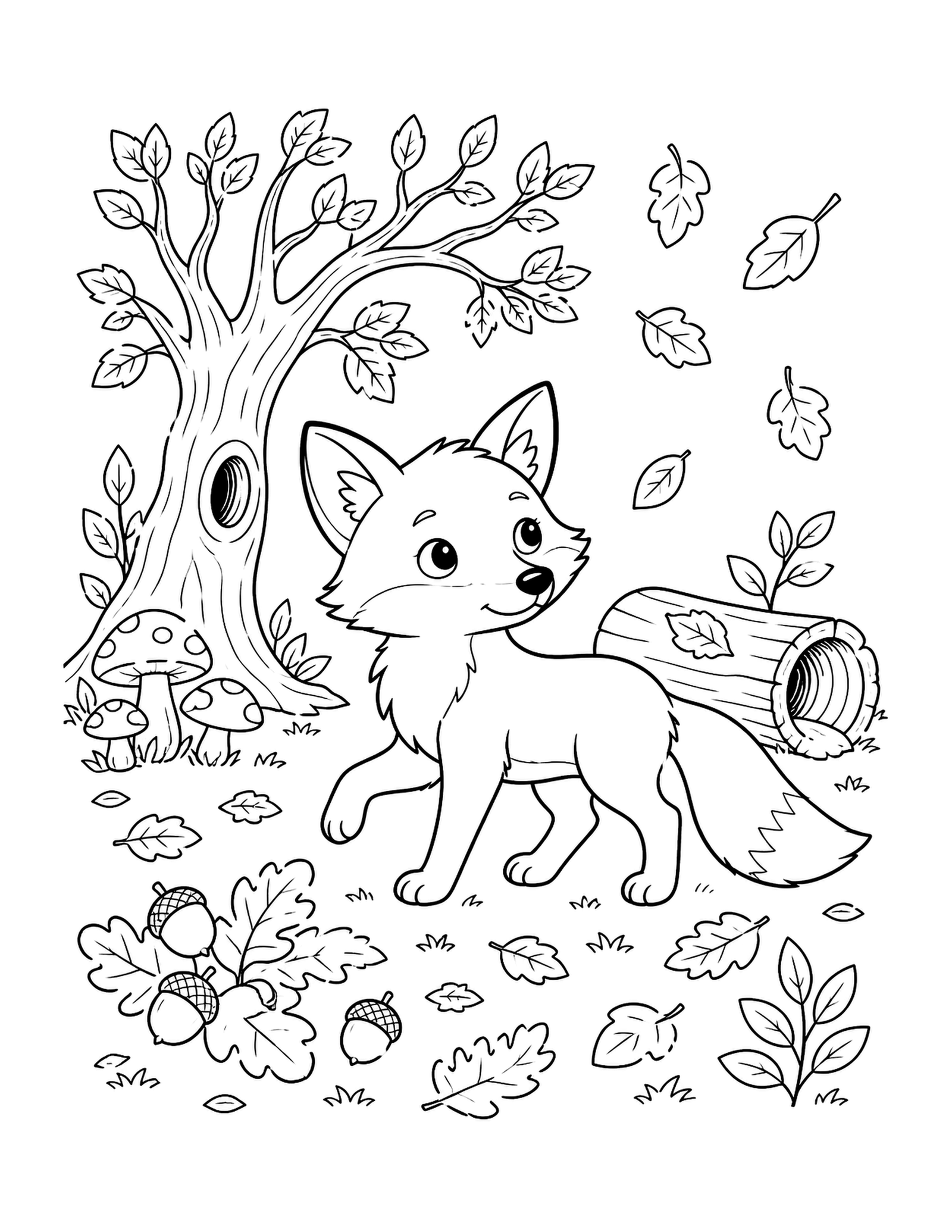
Fox in an Autumn Woodland
A printable coloring page featuring fox autumn woodland.
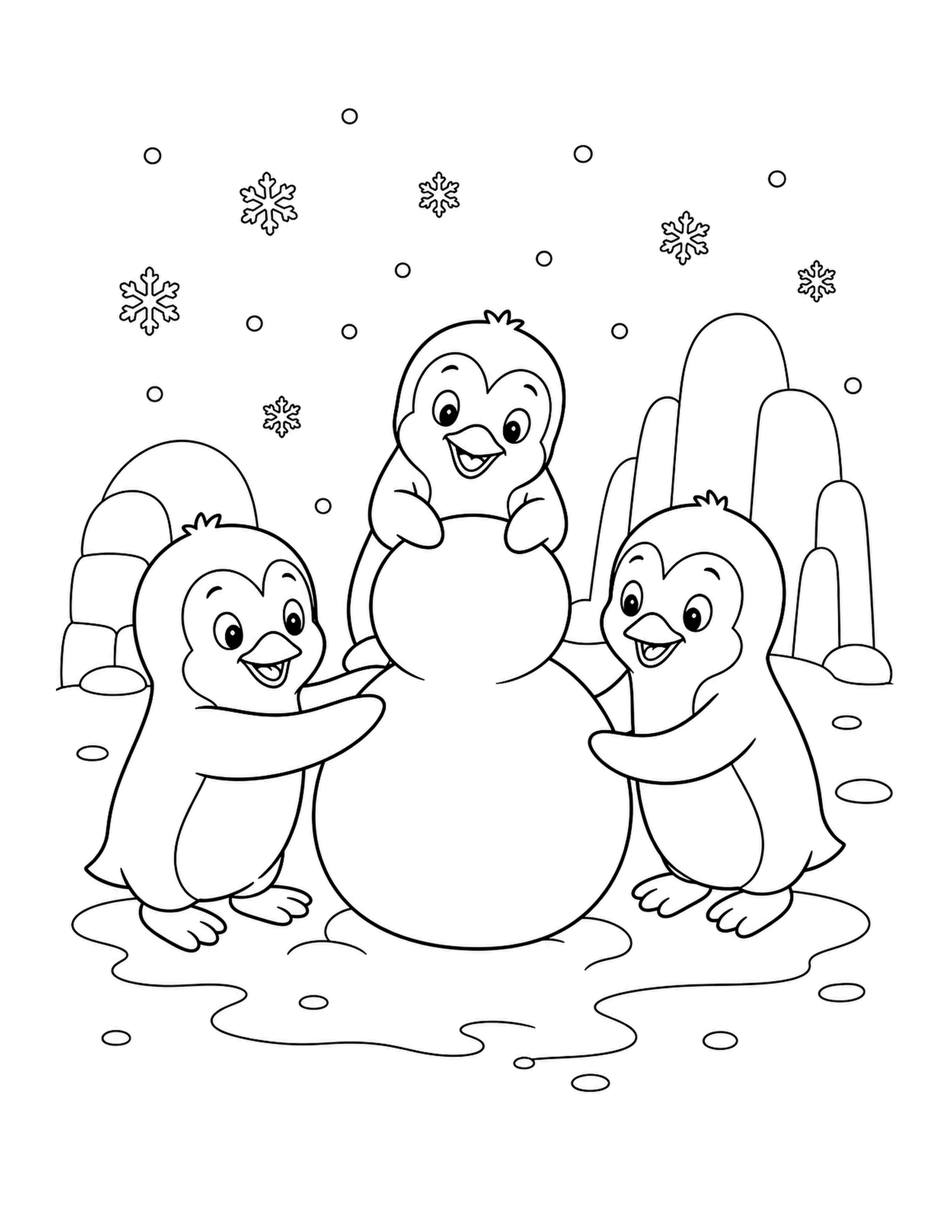
Penguins Building a Snow Friend
A printable coloring page featuring penguins building snow friend.
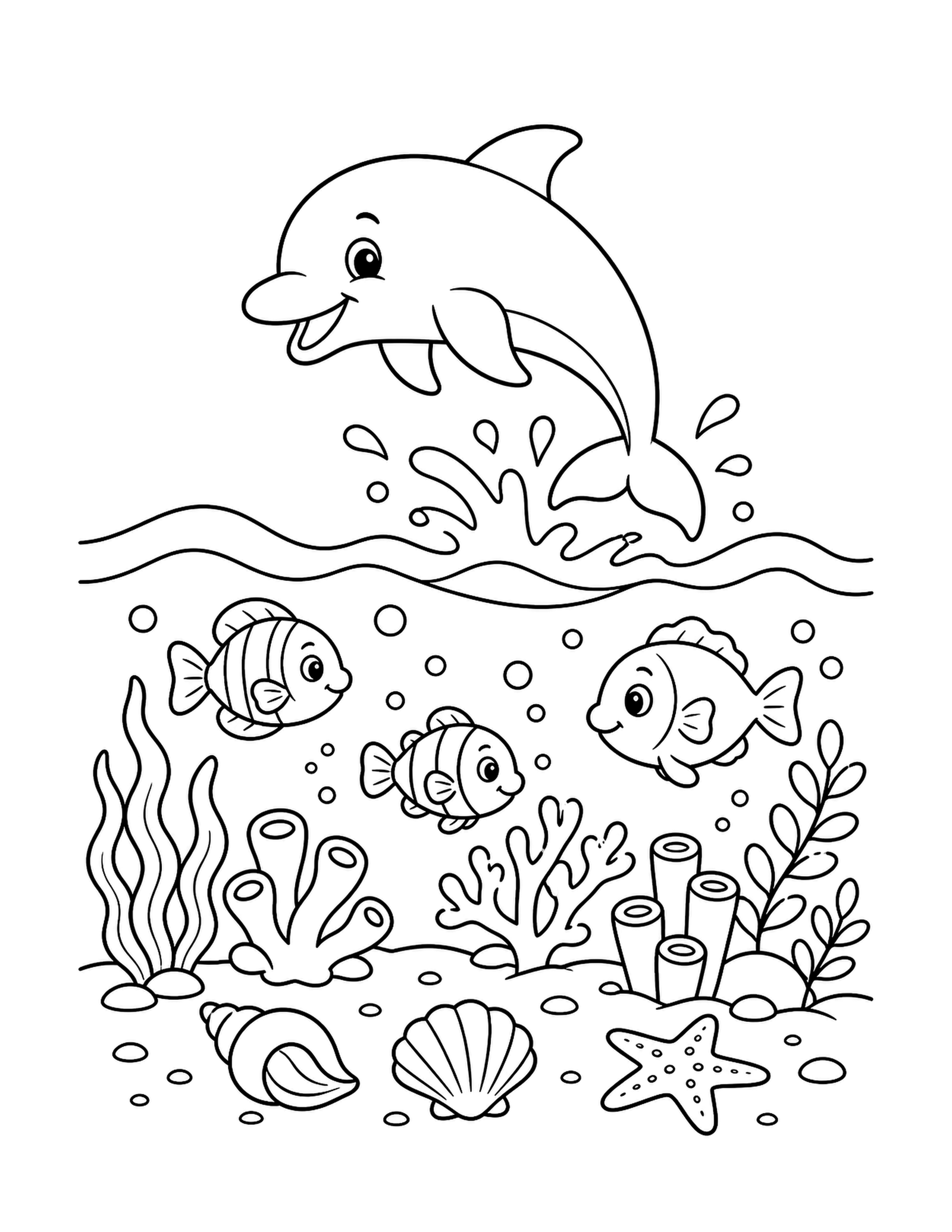
Dolphin and Coral Reef
A printable coloring page featuring dolphin coral reef.
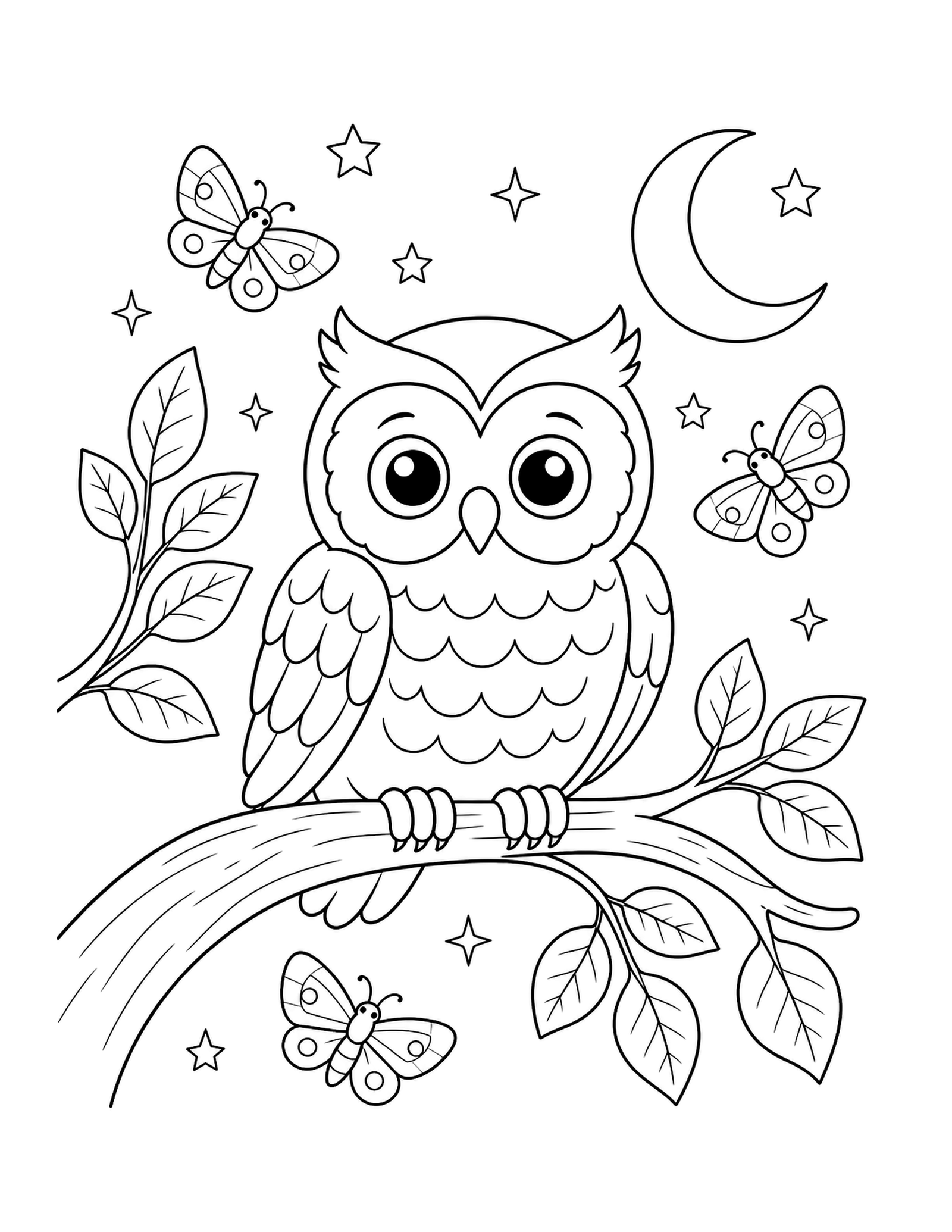
Owl in a Moonlit Forest
A printable coloring page featuring owl moonlit forest.
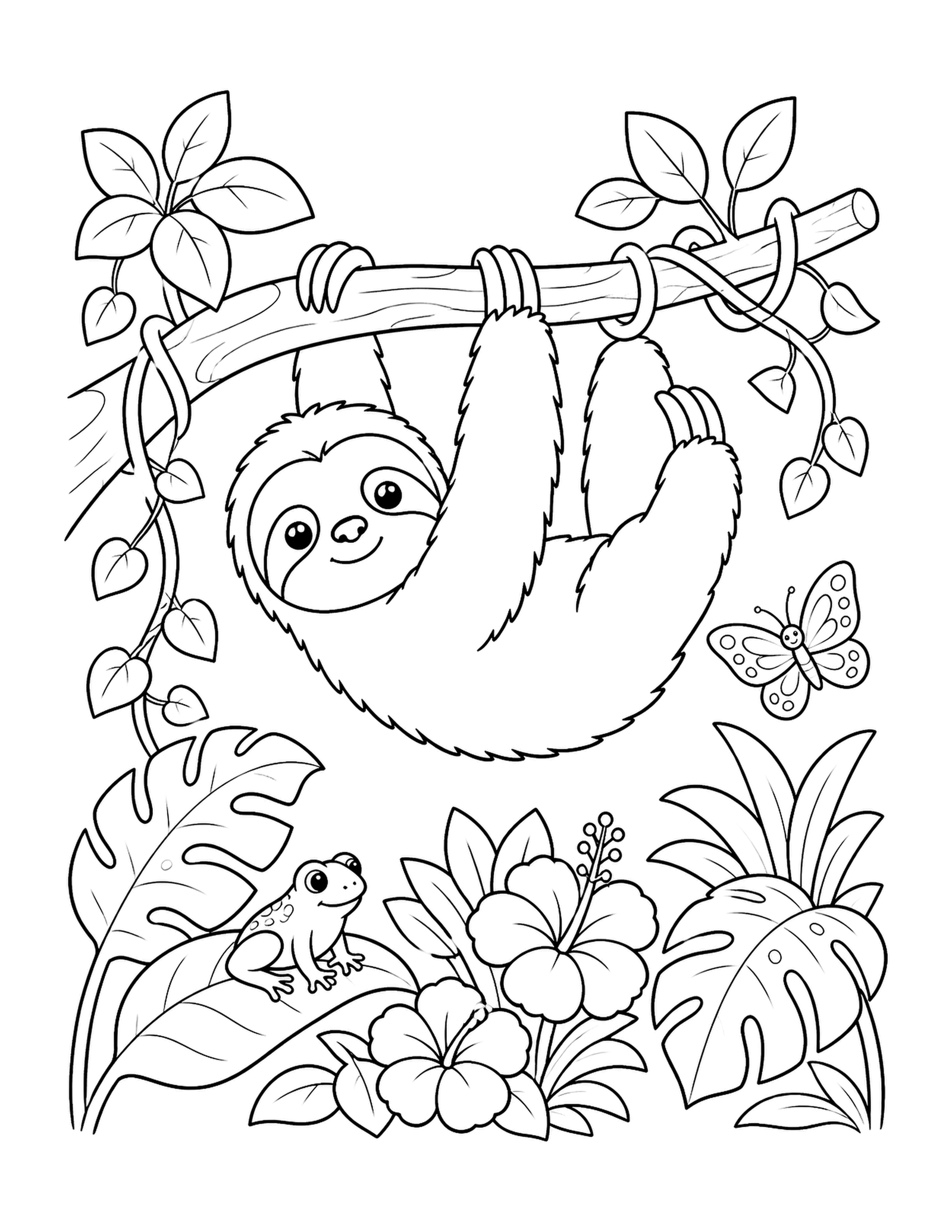
Sloth in the Rainforest
A printable coloring page featuring sloth rainforest.
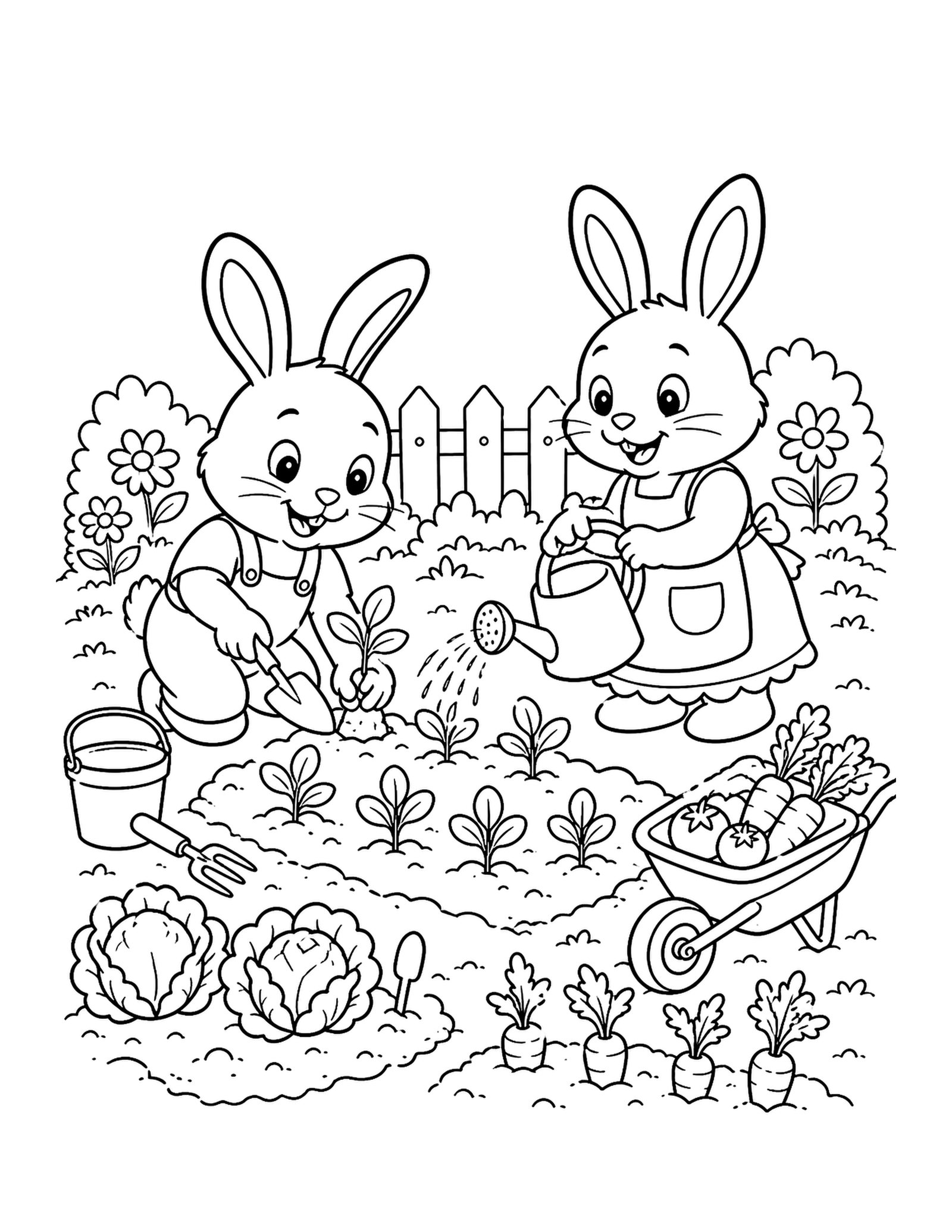
Rabbits Planting a Garden
A printable coloring page featuring rabbits planting garden.
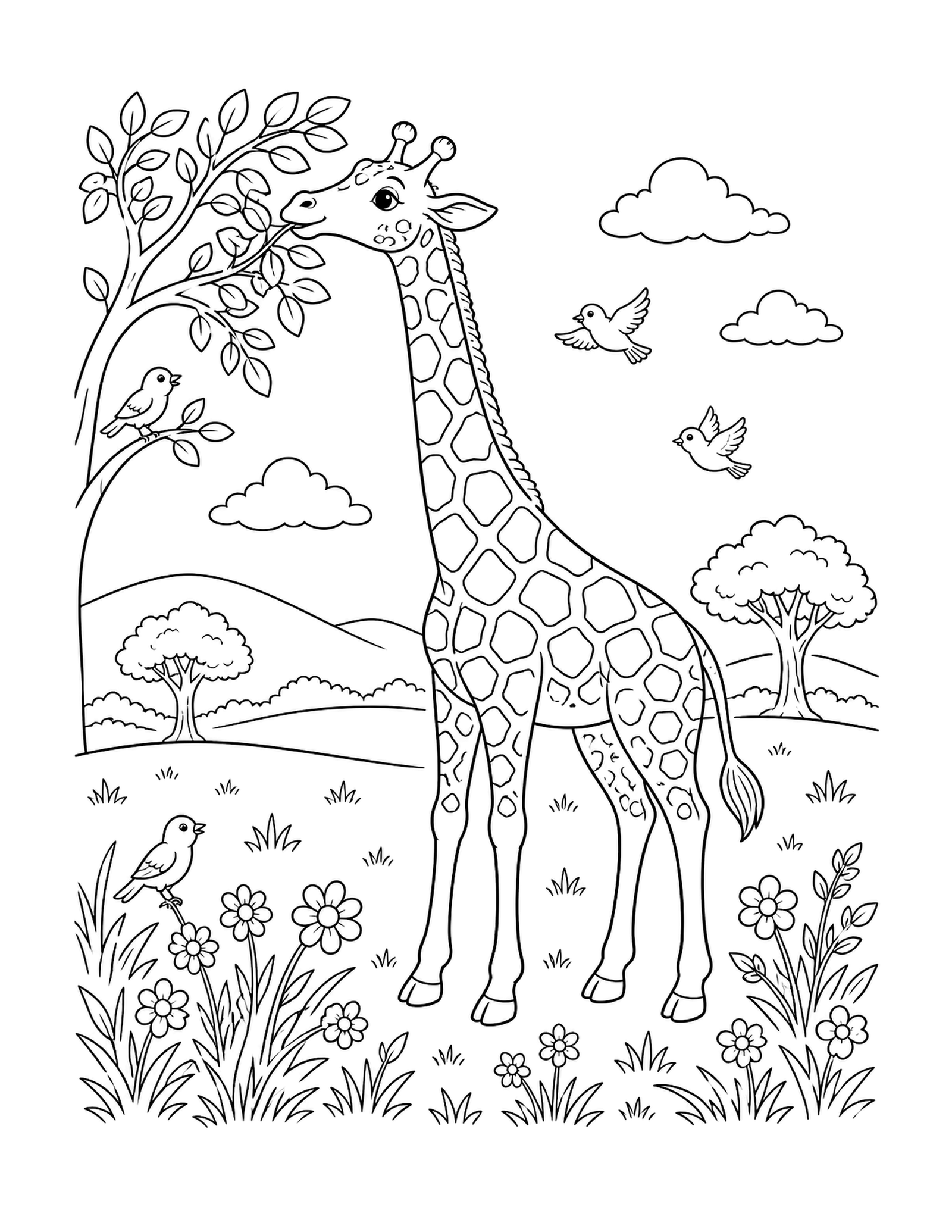
Giraffe Eating Tree Leaves
A printable coloring page featuring giraffe eating acacia leaves.
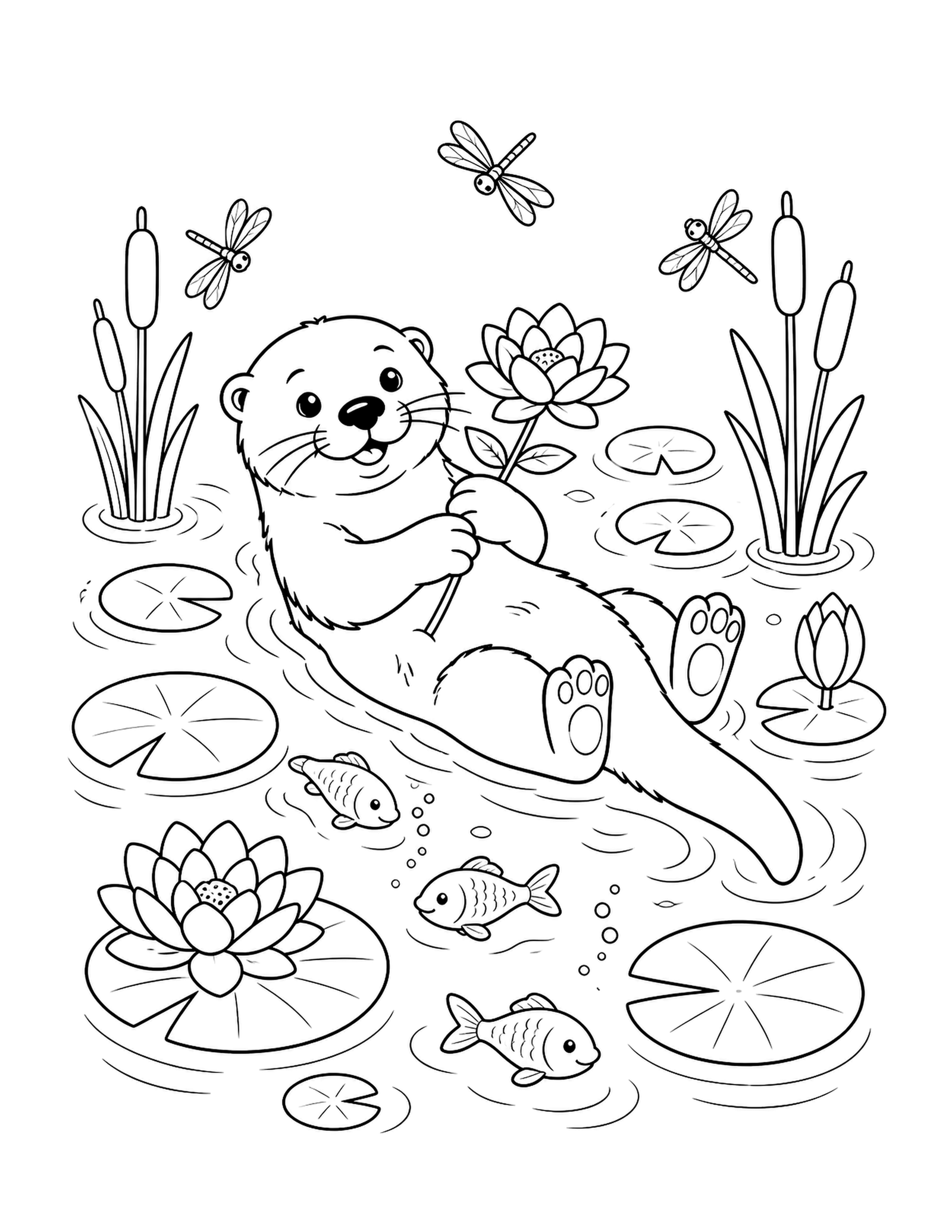
Otter Floating in a Pond
A printable coloring page featuring otter floating pond.
Creative and Educational Ways to Use the Pages
Use the finished pages for Species sorting, habitat matching, descriptive vocabulary, and observation journals. A simple project works best when it gives the artwork a purpose without covering the child’s decisions. Date the back of each page before displaying or storing it.
Create a three-part story by choosing a beginning, a challenge, and an ending from different pictures. Invite the colorist to name the setting, describe one sound, and explain why a chosen color fits the mood.
For another related activity, visit kitten coloring pages. Place the two finished pages side by side and compare line, shape, setting, and color rather than judging which is ‘better.’
In a group, offer a limited shared supply of pencils or crayons and let participants trade colors politely. The same outline can produce very different results, which makes a useful discussion about creative choices.
Turn habitats and animal recognition into a short speaking activity. Ask the artist to introduce the subject, explain two color decisions, and identify the most important detail. This builds descriptive language while keeping the artwork at the center of the conversation.
For young animal lovers, families, caregivers, and teachers building nature vocabulary, a small themed portfolio can show how ideas change across several sessions. Choose three pages with different settings, add a one-sentence label to each, and arrange them in an order that communicates a beginning, middle, and ending.
Color planning can begin with one dominant hue, one supporting hue, and one small accent. This keeps a busy page readable while still allowing variety. Repeating a color in separate areas also helps the finished composition feel connected.
Encourage observation without demanding realism. Ask what is in front, what appears farther away, and where the light might come from. Those questions naturally introduce scale, contrast, and spatial language without turning coloring time into a formal art lesson.
A pause is useful when hands become tired or choices feel frustrating. Returning later often leads to better decisions than rushing to fill every white area. An unfinished page is not a failure; it can remain a work in progress.
When several people color together, avoid correcting personal choices. Specific comments such as ‘the repeated pattern makes that area stand out’ are more helpful than ranking the pictures. The goal is confident experimentation and an enjoyable shared activity.
Printing and Coloring With Care
Open the full-size image before printing so the browser does not use a small preview. Select portrait orientation unless the page itself clearly appears wider than it is tall. Use Letter paper in the United States or A4 where that is the local standard, and choose ‘fit to printable area’ if edges are being cut off.
Standard copy paper works for crayons and colored pencils. Heavier paper is more suitable for markers or light paint. Put a spare sheet underneath marker work, and test wet materials on a corner because home printers and papers behave differently.
For personal or classroom activity use, print only the pages needed. Keep an uncolored digital copy available so siblings or students can revisit a favorite design without scanning colored artwork.
More Printable Coloring Pages
- 10 Printable Farm Animal Coloring Pages Collection
- 10 Dragon Coloring Pages Printable | Free Fun for Kids & Adults
- 10 Lovely Axolotl Coloring Page for All Ages
Frequently Asked Questions
What ages can use these pages?
The collection can work across ages because the scenes vary in detail. Younger children may prefer broad areas, while older colorists can add shading, patterns, and original backgrounds.
Which coloring tools work well?
Crayons are forgiving, colored pencils offer control, and washable markers create bold color. Choose tools based on paper thickness and protect the table when ink may bleed.
Can teachers include the pages in a lesson?
Yes. Connect the artwork to habitats and animal recognition, vocabulary, description, sequencing, or a short writing prompt. Keep the learning goal light enough that the creative activity remains enjoyable.
Must the colors match a familiar version?
No. Reference colors can help recognition, but alternative palettes encourage design thinking. Ask the colorist to explain the mood or story behind an unusual choice.
How should finished pages be stored?
Use a dated folder, binder sleeves, or a simple portfolio. Flat storage protects the paper and makes it easy to compare progress without turning every picture into permanent decoration.
A Final Creative Prompt
These animal coloring pages turn ten outlines into opportunities for habitats and animal recognition, conversation, and hands-on creativity. Pick one scene, gather suitable supplies, and let the details grow at the colorist’s own pace. Continue the theme with forest coloring pages when another printable activity would be useful.

Pingback: 20 Color by Number Printables | Free Fun Coloring Pages
Pingback: 20 Printable Bunny Coloring Pages with Adorable Designs
Pingback: 10 Printable Kitten Coloring Pages with Adorable Cats
Pingback: 10 Lovely Axolotl Coloring Page for All Ages
Pingback: 20 Dinosaur Coloring Pages Fun Printable Art for Kids
Pingback: 20 Farm Animal Coloring Pages Fun Printable Sheets
Pingback: 10 Paw Patrol Coloring Pages | Free Printable Fun for Kids
Pingback: 10 Alien Coloring Pages for Curious Cosmic Adventures