
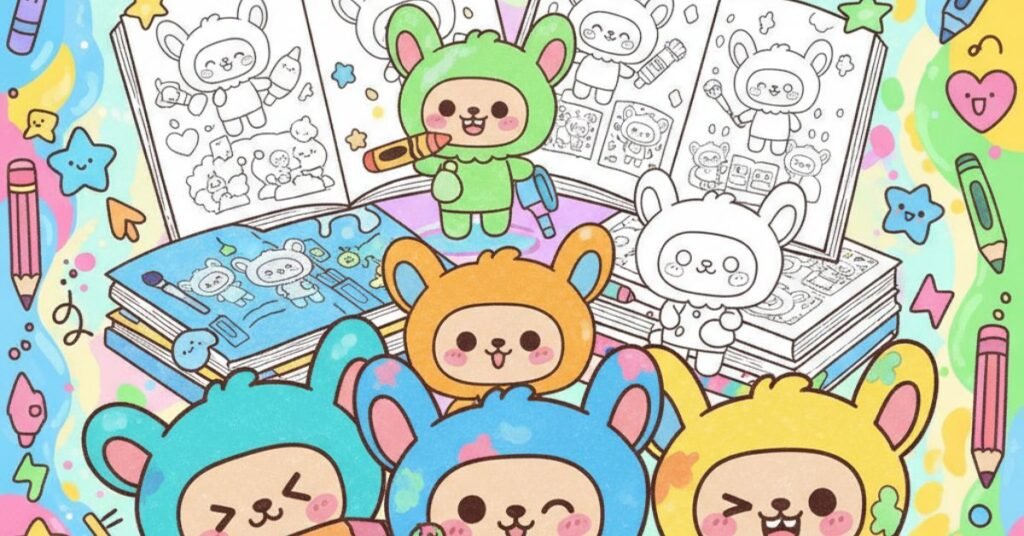
Labubu coloring pages turn the character’s big ears, toothy grin, and impish personality into an open-ended art activity. This collection is arranged for children, families, and collectors who want printable scenes that can be colored traditionally or redesigned with completely new palettes. The pages range from uncluttered portraits to costumes and story-ready settings, so a younger child can practice broad strokes while an older artist experiments with texture, shading, and tiny details.
Use the sheets for a quiet afternoon, a character-themed party table, a travel activity folder, or a small display of finished art. Labubu is known through collectible culture, but these original editorial descriptions do not claim that this collection is official or connected with any brand or rights holder. For a broader mix of cheerful character designs, visit our cute character coloring pages after choosing a favorite page here.
What Makes These Labubu Coloring Pages Fun to Personalize
A Labubu design works especially well when the face remains the visual focus. The wide eyes and pointed ears can look sweet, surprised, mysterious, or mischievous depending on the colors placed around them. A pale face with a dark costume creates sharp contrast, while a rainbow outfit produces a lighter comic mood. Children can follow the outlines without needing to match a prescribed palette.
The collection also supports small storytelling choices. A backpack suggests a journey, a moonlit setting suggests a nighttime adventure, and party props suggest a celebration. Before coloring, ask the artist to name the setting, mood, and one object the character might carry. Those three decisions can guide every color that follows and make the completed page feel intentional.
Meet the Printable Character Collection
Classic Labubu Portrait
Start with a clear front-facing portrait that emphasizes the ears, eyes, and famous grin. Broad areas suit crayons, while the facial details invite careful pencil work and a contrasting outline.
Labubu with a Tiny Backpack
This travel-ready character can inspire a short adventure story. Color the backpack with patches, add an imagined destination to the background, and use earthy or bright tones to set the journey’s mood.
Rainy-Day Labubu
An umbrella, boots, and scattered raindrops create a page with several useful textures. Try glossy marker color on the boots and soft pencil shading for clouds and puddle reflections.
Labubu Birthday Surprise
Balloons, a wrapped present, and a party hat make this sheet suitable for birthday tables or homemade cards. Repeat two colors across the decorations to keep the busy scene visually connected.
Woodland Explorer Labubu
Leaves, mushrooms, and a winding path frame the character without hiding its expression. Natural greens and browns work well, but unusual teal trees or pink mushrooms can create a fantasy forest.
Cozy Sweater Labubu
The knitted sweater area is a good place to practice stripes, checks, dots, or repeating symbols. Keep the face simple, then build detail gradually across the clothing pattern.
Labubu Under the Moon
A crescent moon and stars provide space for dark-to-light color blending. Leave small white highlights in the sky or add gel-pen dots after the main colors have dried.
Labubu Art Studio
Paintbrushes, pencils, and a tiny easel turn the character into a fellow artist. Color the tools realistically or make every paint spot represent a different imagined project.
Costume Party Labubu
A cape, mask, and playful boots invite dramatic color choices without copying a specific hero. Metallic pencils or a yellow accent can make the costume stand out against a quieter background.
Labubu Friendship Picnic
Two small characters sharing snacks make a warm final scene. Give each one a distinct palette, then repeat a few colors in the picnic blanket to show that they belong together.
Color Choices That Match a Character Mood
Begin with mood rather than searching for a “correct” color. Warm reds, oranges, and sunny yellows suggest energy and humor. Lavender, navy, and cool blue create a calmer nighttime feeling. Green with brown supports forest scenes, while black paired with a neon accent gives a bold collectible-toy look. Keeping one color in reserve for the smallest details prevents the page from becoming visually crowded.
Artists who enjoy mischievous characters may also like Kuromi coloring pages. The connection is useful for comparing how expressions change when eyebrows, eyes, mouths, and costume shapes are colored differently. Make a two-page mood study: one cheerful palette and one dramatic palette, then write a sentence about each character’s imagined plan.
10 Printable Labubu Coloring Pages
Choose a design below, open the full-size image, and print it for your coloring activity.
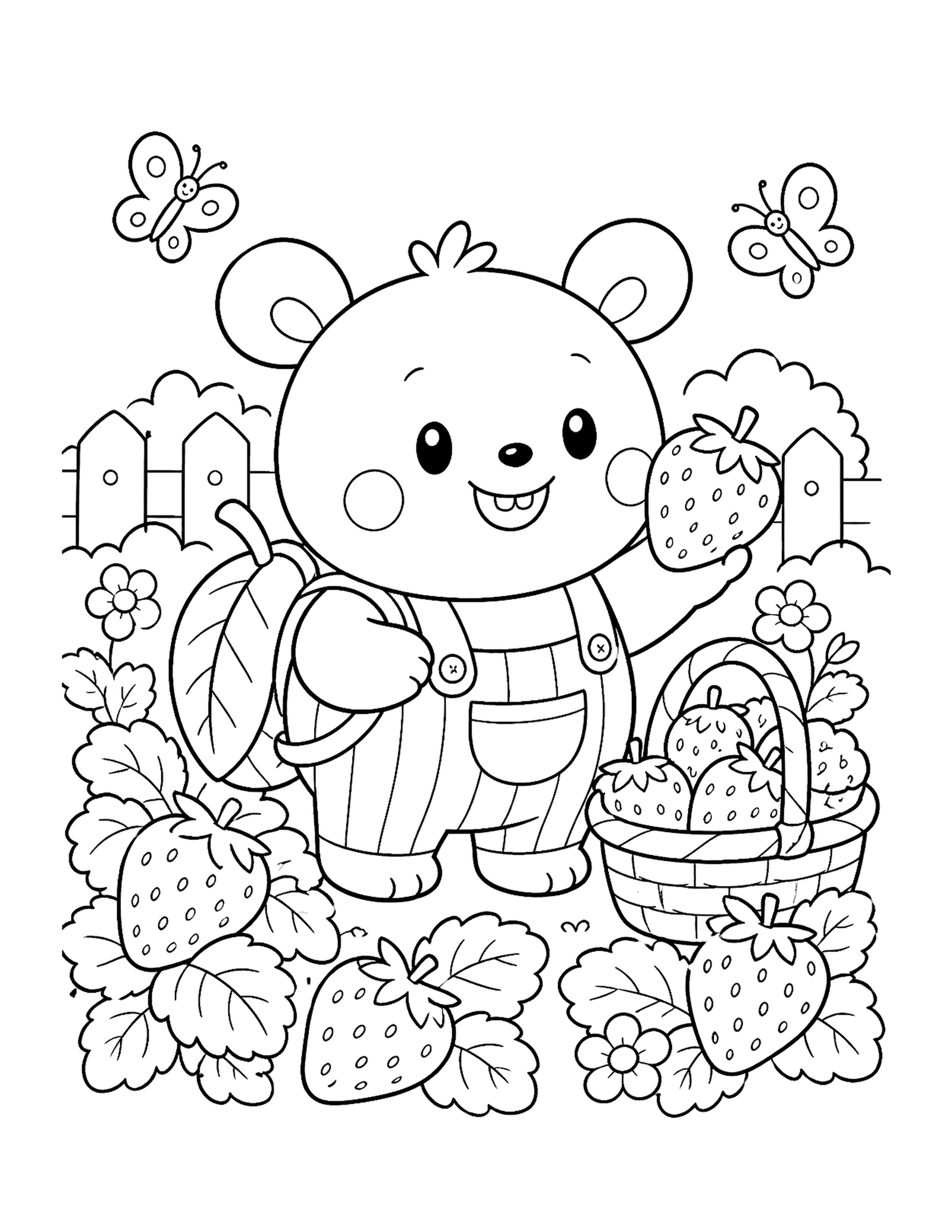
Forest Creature Picks Strawberries
A wholly original round plush forest creature gathers large strawberries while wearing striped overalls and a leaf backpack.
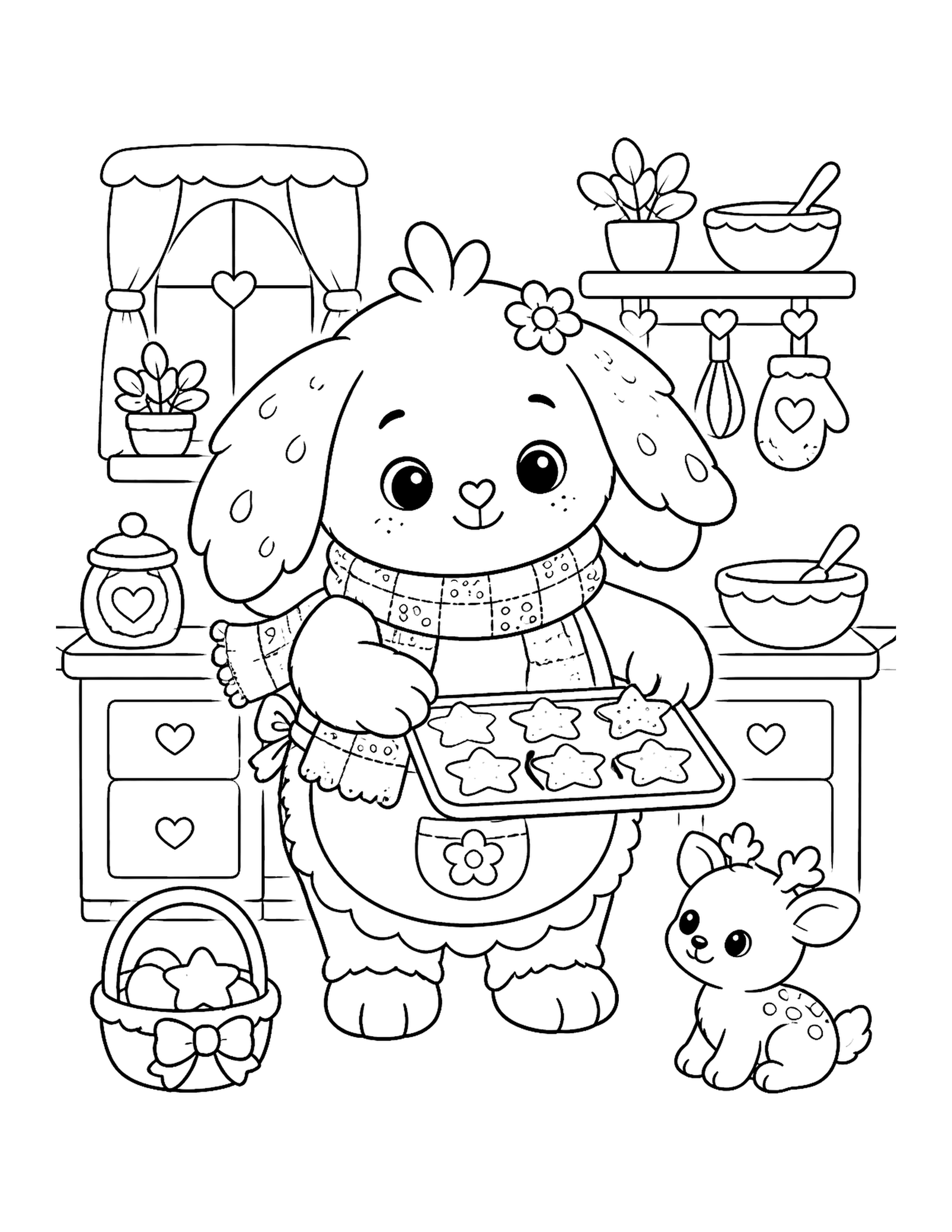
Plush Creature Bakes Cookies
A new droopy-eared woodland toy character mixes and bakes cookies among bowls, utensils, and kitchen shelves.
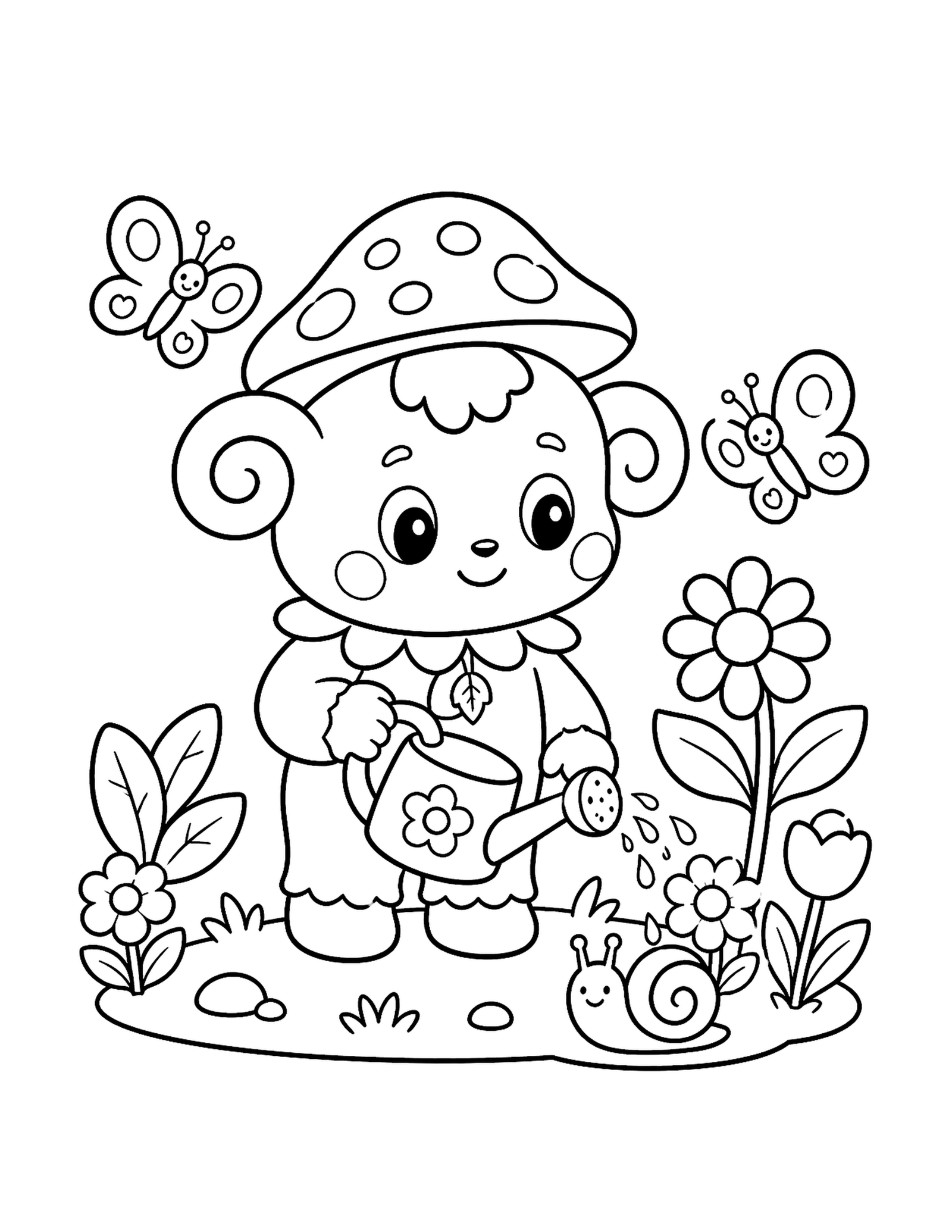
Woodland Creature Waters Flowers
A mushroom-hatted creature with curled ears waters a lively flower patch while butterflies and a snail visit.
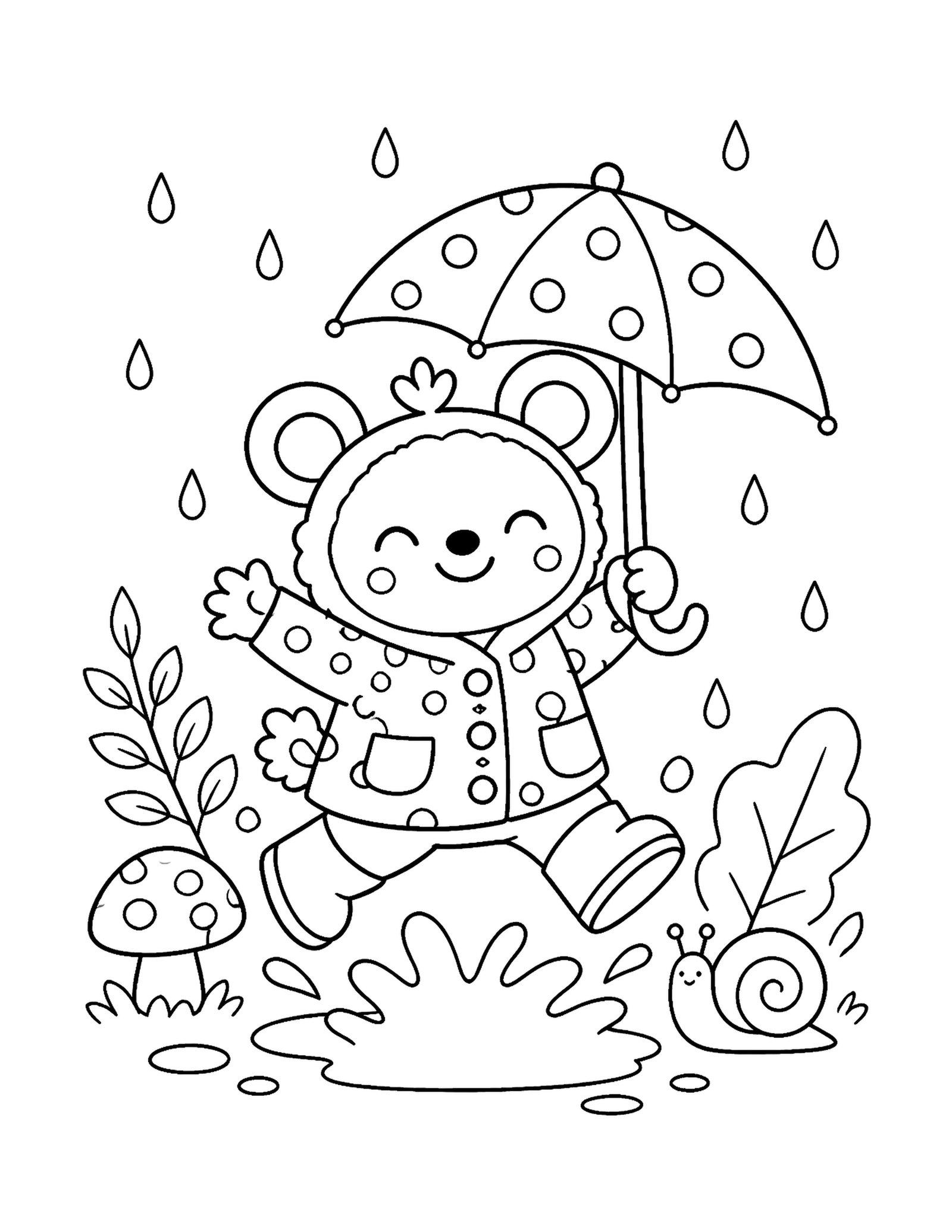
Raincoat Creature Jumps in Puddles
A round-eared original character enjoys a gentle rainy day in a polka-dot raincoat beside clouds and puddles.
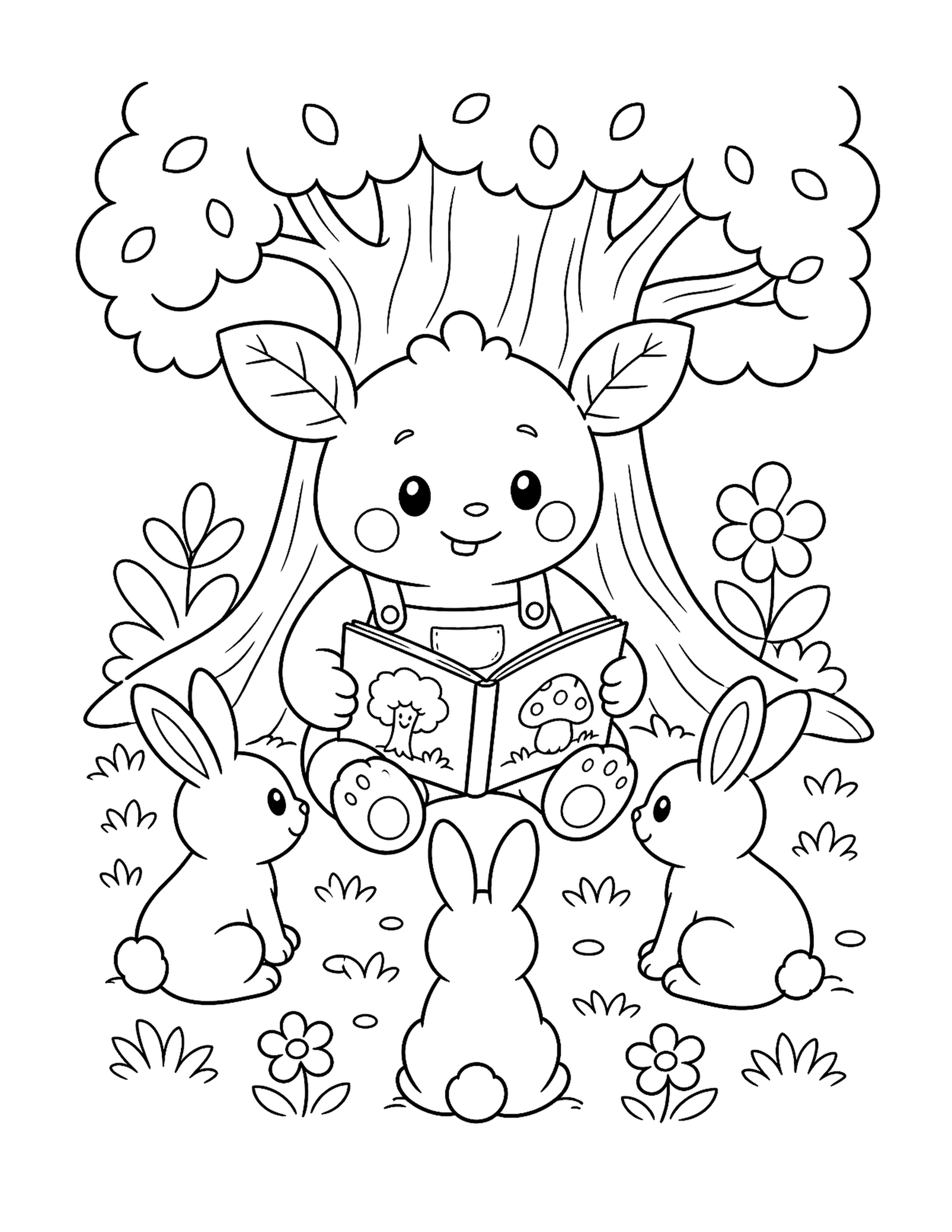
Forest Creature Reads to Rabbits
A leaf-eared creature in simple dungarees shares a picture book with friendly rabbits in a peaceful woodland.
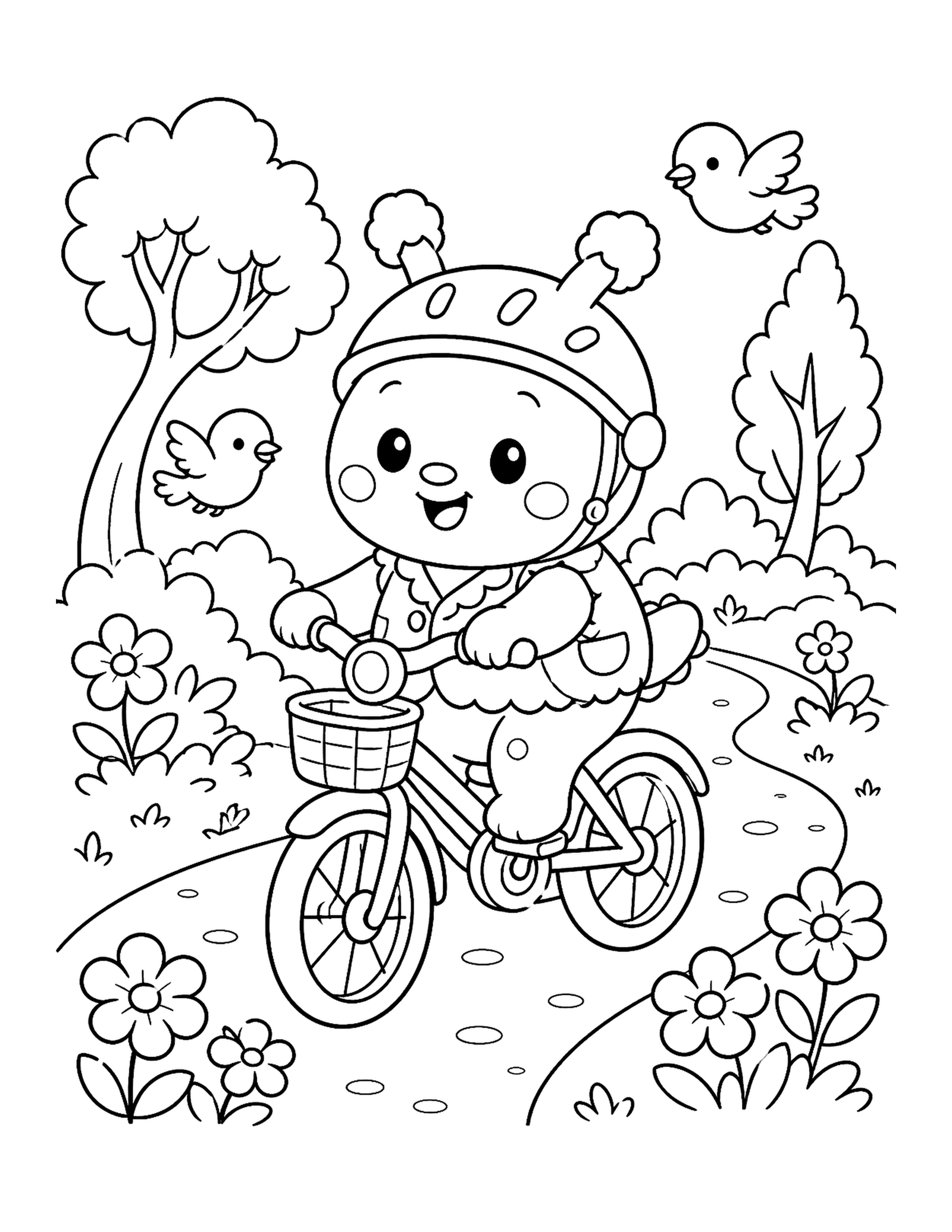
Woodland Creature Rides a Bicycle
An antenna-tufted creature pedals safely through a park while birds fly overhead and flowers line the path.
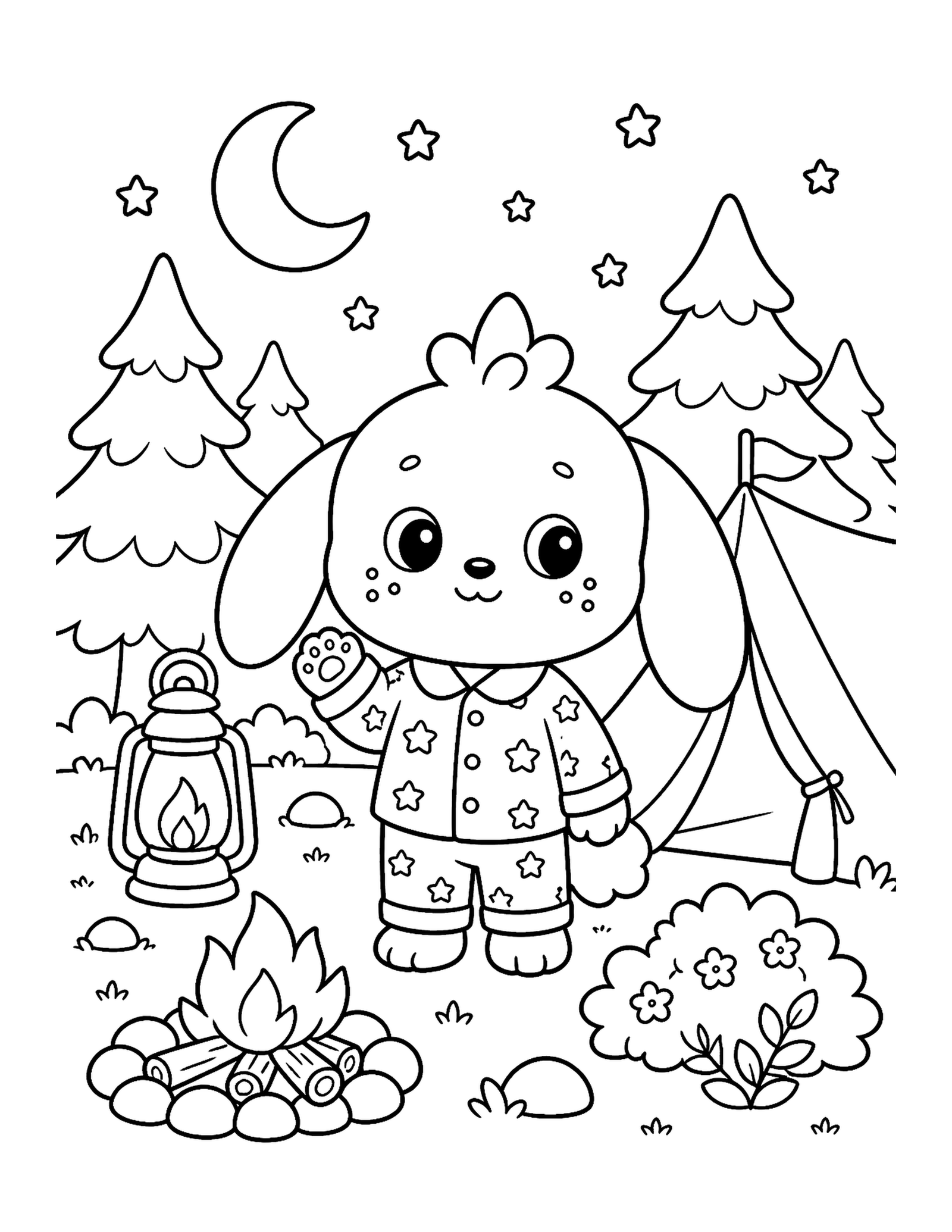
Plush Creature Goes Camping
A floppy-eared creature in star pajamas enjoys a cozy campsite with a tent, lantern, trees, and night sky.
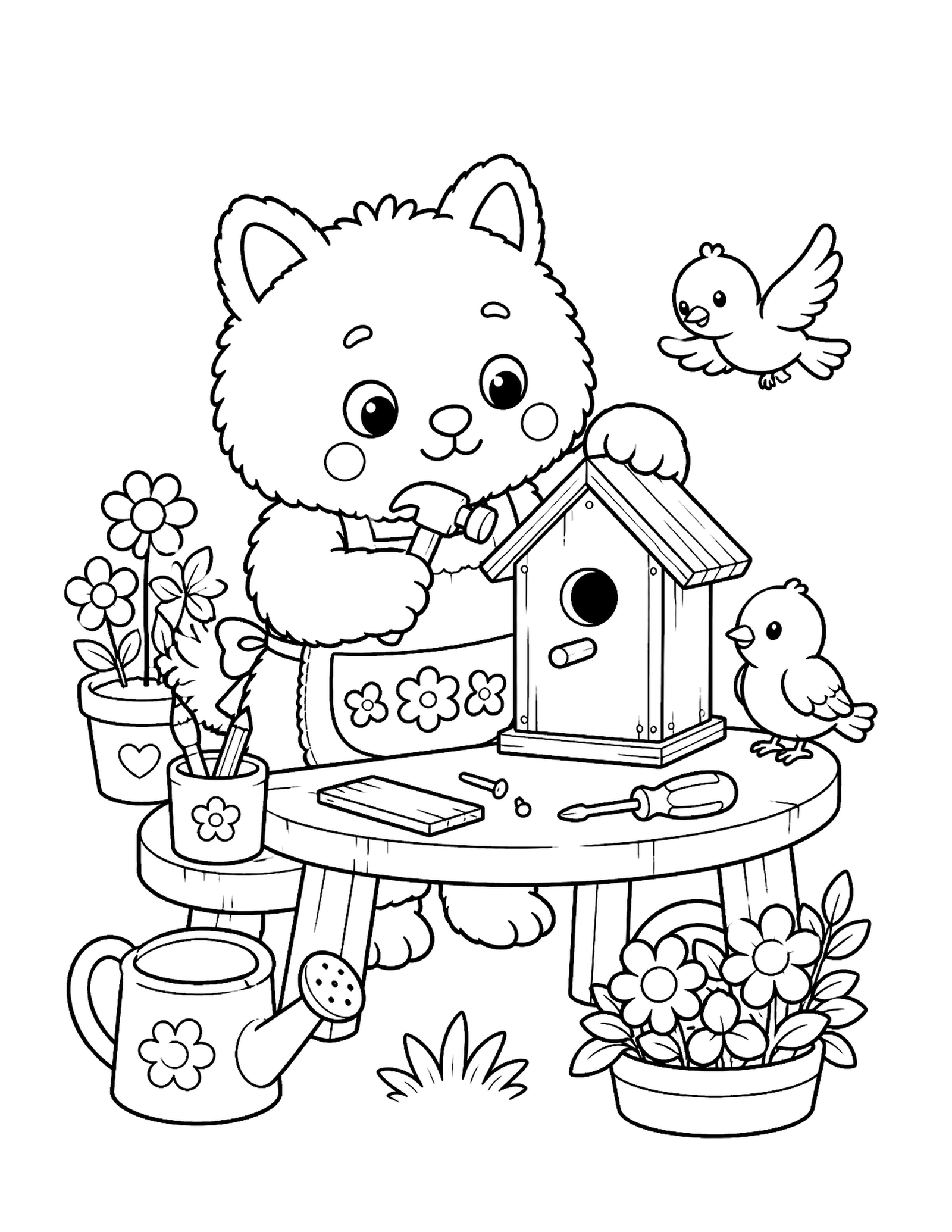
Garden Creature Builds a Birdhouse
A flower-aproned creature assembles a birdhouse using child-friendly craft tools while birds wait nearby.
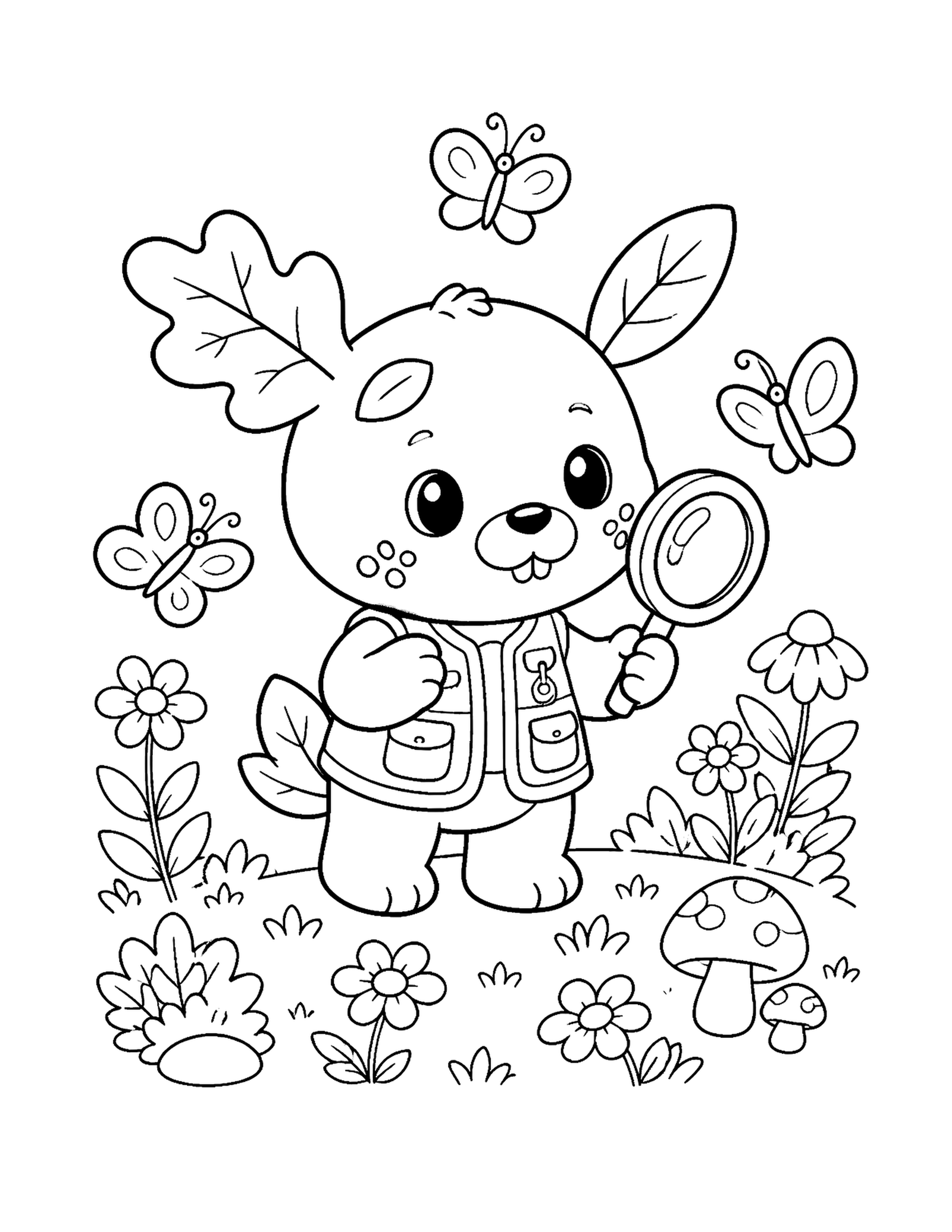
Explorer Creature Watches Butterflies
A tiny leaf-eared explorer studies butterflies among meadow flowers using a magnifying glass.
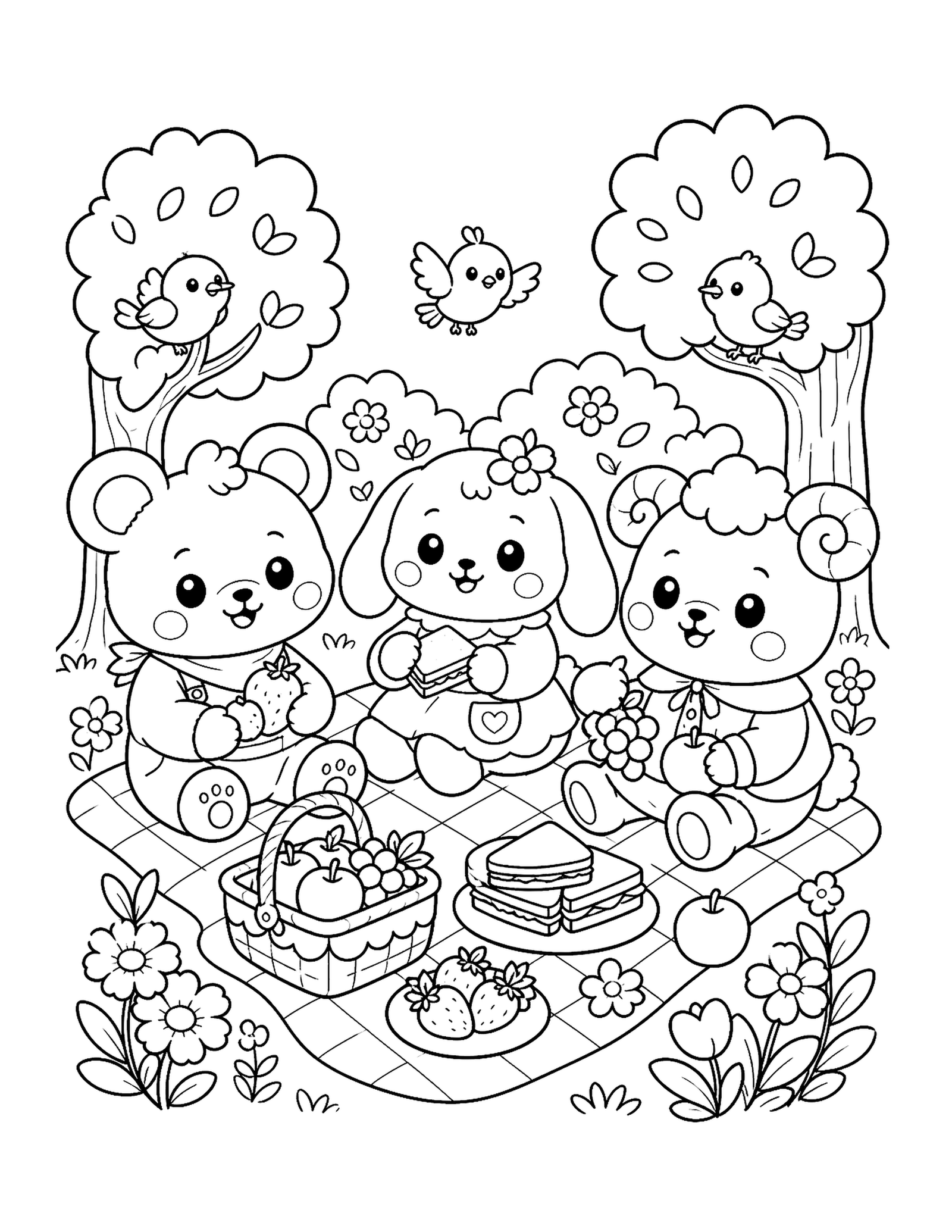
Forest Creatures Share a Picnic
Three distinctly designed woodland creatures share food and friendship on a flower-filled picnic blanket.
Printing and Coloring Without Losing Small Details
Open the chosen full-size image before saving or printing it. Use the printer preview to confirm that the artwork fits the page and that no ears, borders, or props are cut off. Standard letter-size paper works for everyday coloring; slightly heavier paper is better when using markers or turning the result into a card. Select normal quality for crayons and pencils, or a higher-quality setting when fine outlines need to remain especially crisp.
Place a spare sheet beneath marker projects to protect the table and absorb bleed-through. Colored pencils are useful around teeth, eyes, costume seams, and tiny accessories. Crayons fill large backgrounds quickly. If gel pens or paint are added, let the page dry flat before stacking it with other finished designs.
Three Character Activities Beyond Coloring
Expression Detective
Cover the mouth with a scrap of paper and study only the eyes and eyebrows. Ask whether the character looks curious, worried, proud, or ready for a prank. Then uncover the whole face and discuss whether the interpretation changes. This builds observation and descriptive vocabulary without turning the activity into a test.
Mini Adventure Cards
After coloring a page, write a setting, problem, and funny solution on the back. Shuffle several finished sheets and tell a connected story in which each version of Labubu contributes a different skill. Older children can add dialogue; younger children can dictate while an adult writes.
Palette Swap Gallery
Print the same portrait for two people and agree on one shared accent color. Each artist chooses the remaining palette independently. Display the results side by side to show how color changes mood even when the lines are identical. For more stylized faces and costumes, compare the results with anime coloring pages.
More Printable Coloring Pages
- Food Coloring Pages You Need to Try for Endless Fun
- 20 Printable Cool Coloring Pages Collection
- 20 Printable Animal Coloring Pages Collection
Frequently Asked Questions About Labubu Coloring Pages
Can younger children use these pages?
Yes. Choose portraits with large open areas, provide thick crayons or washable markers, and let the child work outside the lines without correction. Detailed costumes and patterned scenes can be saved for children who want a longer challenge.
Do the colors need to match a collectible figure?
No. Reference colors can be enjoyable, but an invented palette is equally suitable for a creative coloring activity. A new color scheme can help a child imagine a different setting, season, or personality.
What paper works for a finished display?
A heavier matte sheet usually stays flatter and handles pencil layering well. Check that the printer accepts the paper weight. For an ordinary activity folder, standard copy paper is practical and easy to replace.
How can a group avoid identical results?
Assign each artist a different mood, season, or setting instead of a specific color list. One person might create a winter explorer while another designs a bright birthday character. The shared outline will still lead to varied artwork.
Are these official Labubu products?
No official affiliation is claimed. The page descriptions are original editorial material for a printable creative activity; website owners should publish only artwork they own, license, or otherwise have permission to use.
Make a Small Character Collection
A single finished portrait can become the first card in a homemade character set. Trim only after coloring, mount the page on plain card stock, and write a name, favorite place, and special habit on the reverse. Keep the description playful and original rather than treating it as official character information. A second card can use the same face with a new costume, showing how clothing and background change the story.
For a family gallery, give every page the same narrow border color but allow the central palette to vary. Arrange portraits beside full scenes so the display alternates between close-up expressions and wider adventures. Small labels can identify the artist’s chosen mood, such as curious explorer, sleepy stargazer, busy inventor, or party planner. This invites conversation about visual clues without ranking one result above another.
Texture Sampler
Before adding texture to a sweater, backpack, or forest, divide scrap paper into four boxes. Test short fur strokes, woven lines, smooth marker fill, and dotted sparkle. Choose one texture for the main costume and another for the setting. The sampler reduces hesitation on the final sheet and helps artists notice that different materials can be suggested with different marks.
Finish the Collection with Your Own Story
These Labubu coloring pages are most engaging when the artist treats every costume and prop as a clue. Choose a scene, decide what happened just before it, and use color to show the mood. Keep completed pages in a character journal, trade story prompts with a family member, or arrange several designs as a beginning, middle, and ending. The result is more than a filled outline: it becomes a small piece of visual storytelling.

Pingback: Anime Coloring Pages | Free Printable Fun for Kids and Fans