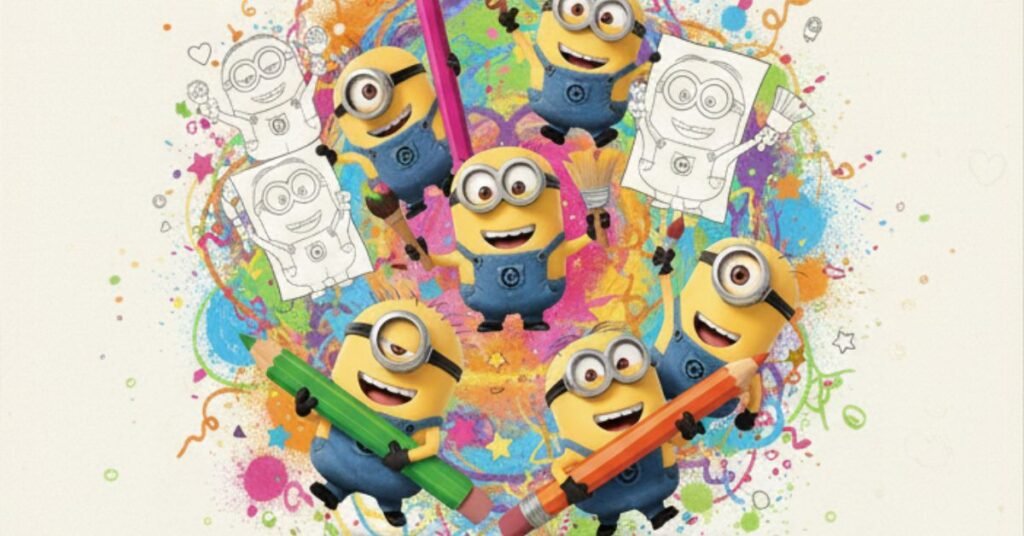
minion coloring pages offer ten complete printable scenes for children, families, teachers, and coloring enthusiasts. This collection focuses on comic expressions, costumes, harmless mishaps, teamwork, music, inventions, celebrations, and visual storytelling. Readers can choose a broad beginner-friendly design or a detailed setting that supports longer creative work.
Ten distinct situations give colorists more to do than repeat the same pose. The scenes combine large character shapes with hats, tools, instruments, books, plants, bubbles, weather gear, decorations, and workshop details.
The familiar yellow-and-blue pairing is easy to recognize, but it is not mandatory. Changing the background, costume accent, lighting, or prop colors can make each picture feel different while maintaining clear outlines and readable expressions.
For a different creative subject after these minion coloring pages, explore robot colouring in pages. Changing the subject while keeping the same supplies can refresh attention and encourage a new palette.
What These Minion Coloring Pages Include
The minion coloring pages collection is organized around ten genuinely different compositions. The pages vary pose, setting, object count, movement, and background density, allowing an adult to select a design that matches the available time and the colorist’s confidence.
A useful starting palette for minion coloring pages includes bright yellow, denim blue, charcoal, silver gray, banana green, party red, orange, and purple accents. The colors are suggestions rather than rules. An artist can replace expected hues, invent a season, or use one repeated accent to connect separate parts of the composition.
Before coloring, scan the whole page and identify the largest subject, two medium areas, and the smallest details. Filling the broad shapes first gives the picture structure. Pencils can then add patterns or controlled shading where the outline provides enough room.
10 Printable Minion Coloring Pages
Each of the following minion coloring pages has a complete automation block with a unique filename, alt text, image title, and caption. Open the full-size artwork on PintyMinty before printing so the browser does not enlarge a small preview or crop important edges.
One Minion Balancing A Stack Of Party Hats
This page from minion coloring pages collection shows one Minion balancing a stack of party hats. The composition has a clear focal subject, supporting objects, and enough open space for an original palette, background mood, and short story.
Two Minions Building A Cardboard Rocket
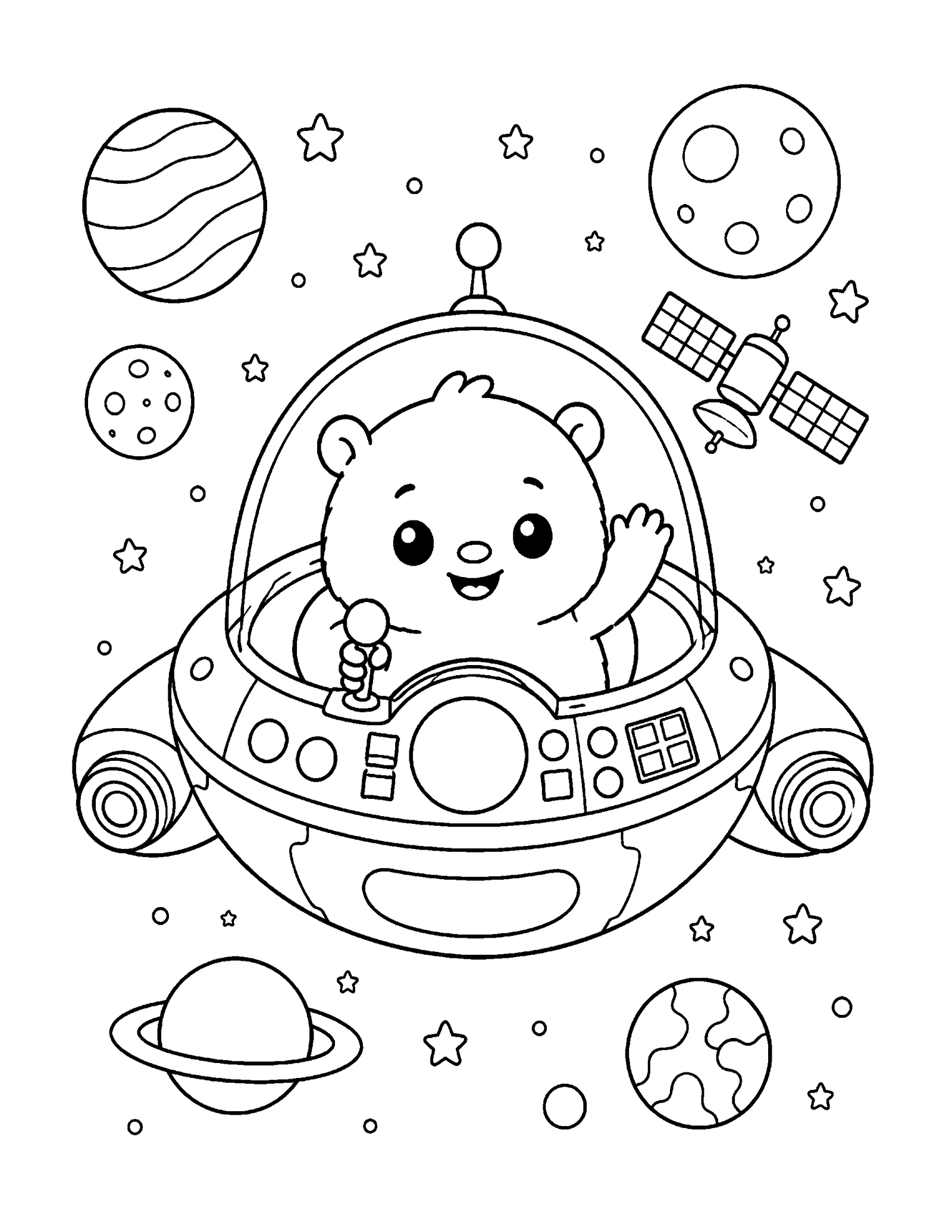
Within the minion coloring pages collection shows two Minions building a cardboard rocket. The composition has a clear focal subject, supporting objects, and enough open space for an original palette, background mood, and short story.
Minion Chef Stirring Batter In A Large Bowl
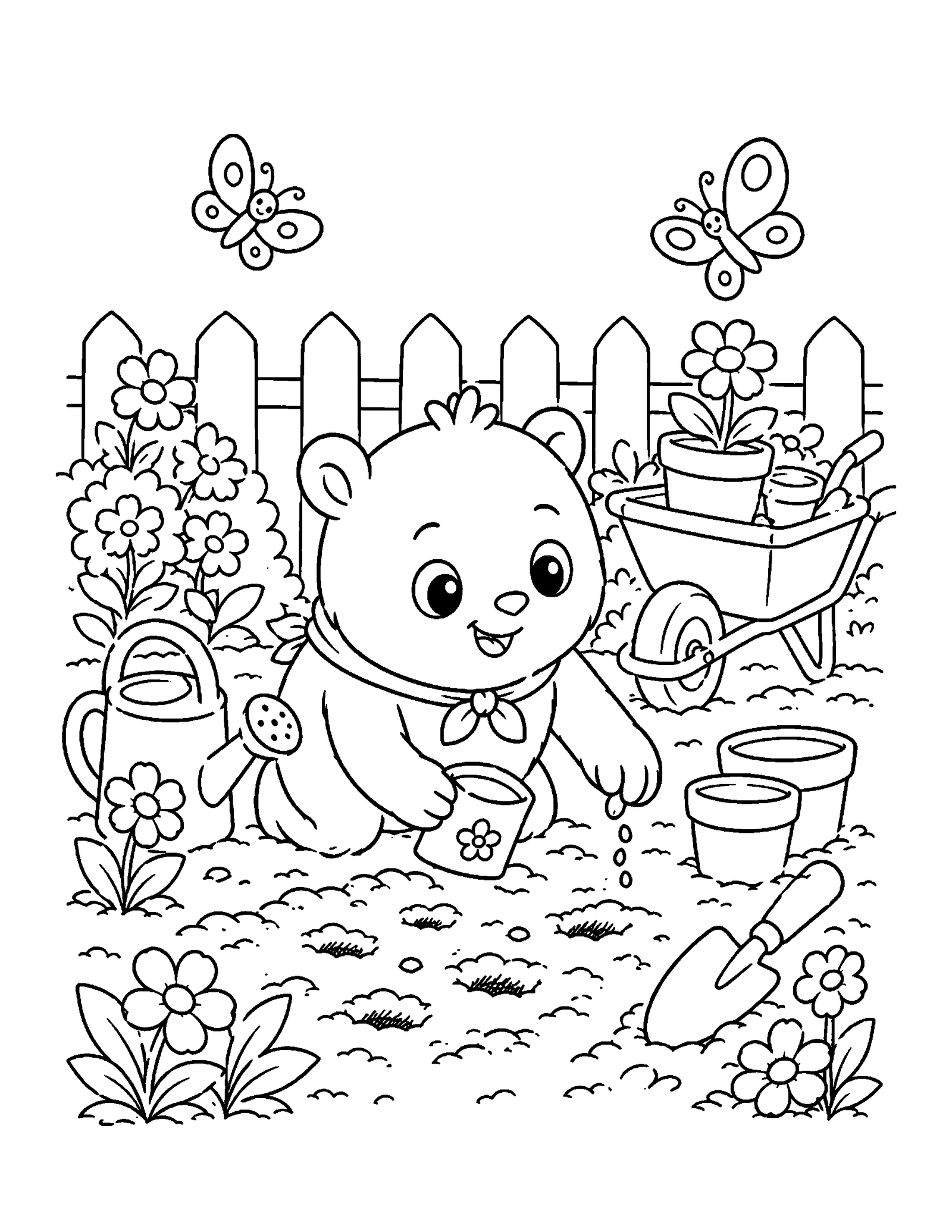
One choice in minion coloring pages collection shows Minion chef stirring batter in a large bowl. The composition has a clear focal subject, supporting objects, and enough open space for an original palette, background mood, and short story.
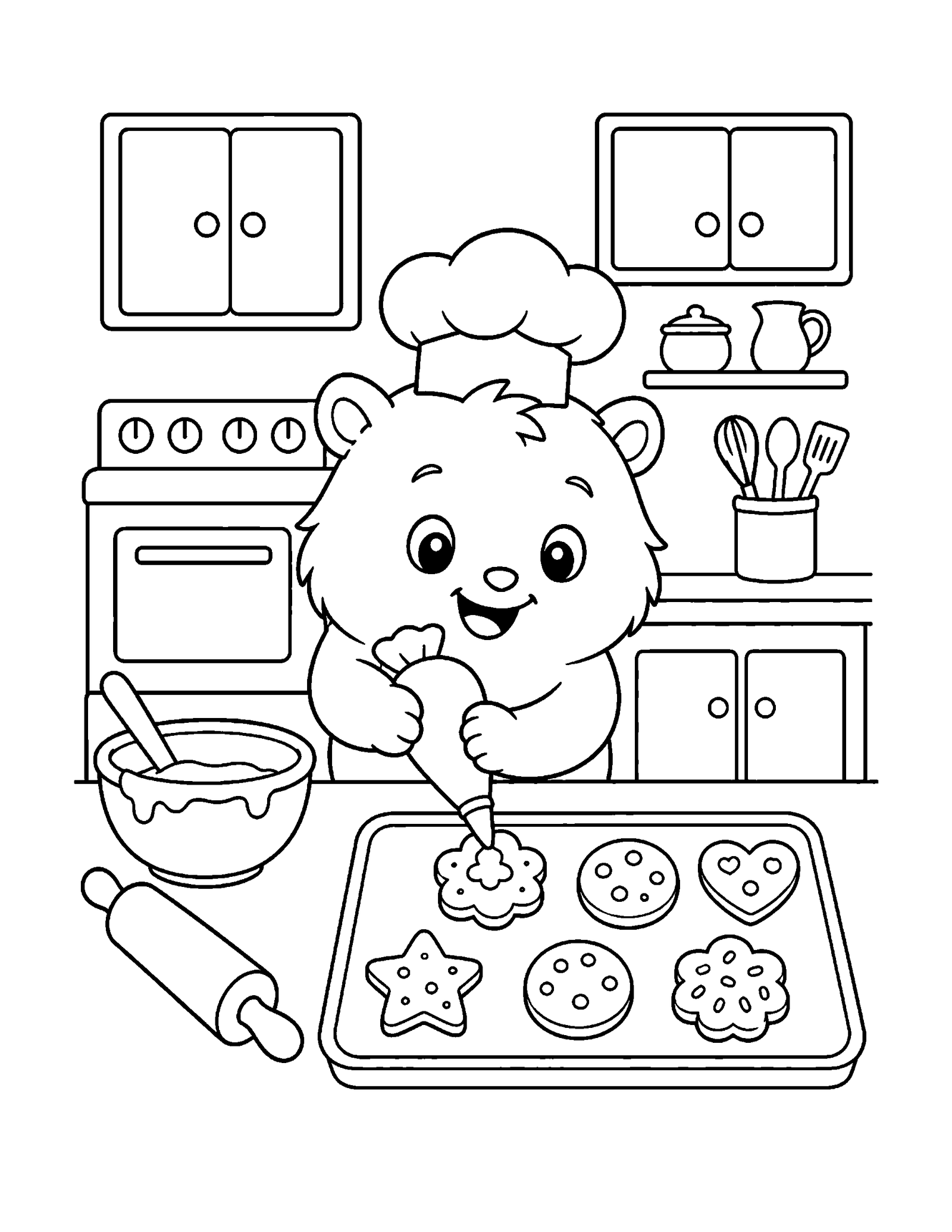
Minion Musician Playing A Tiny Ukulele
This scene in minion coloring pages collection shows Minion musician playing a tiny ukulele. The composition has a clear focal subject, supporting objects, and enough open space for an original palette, background mood, and short story.
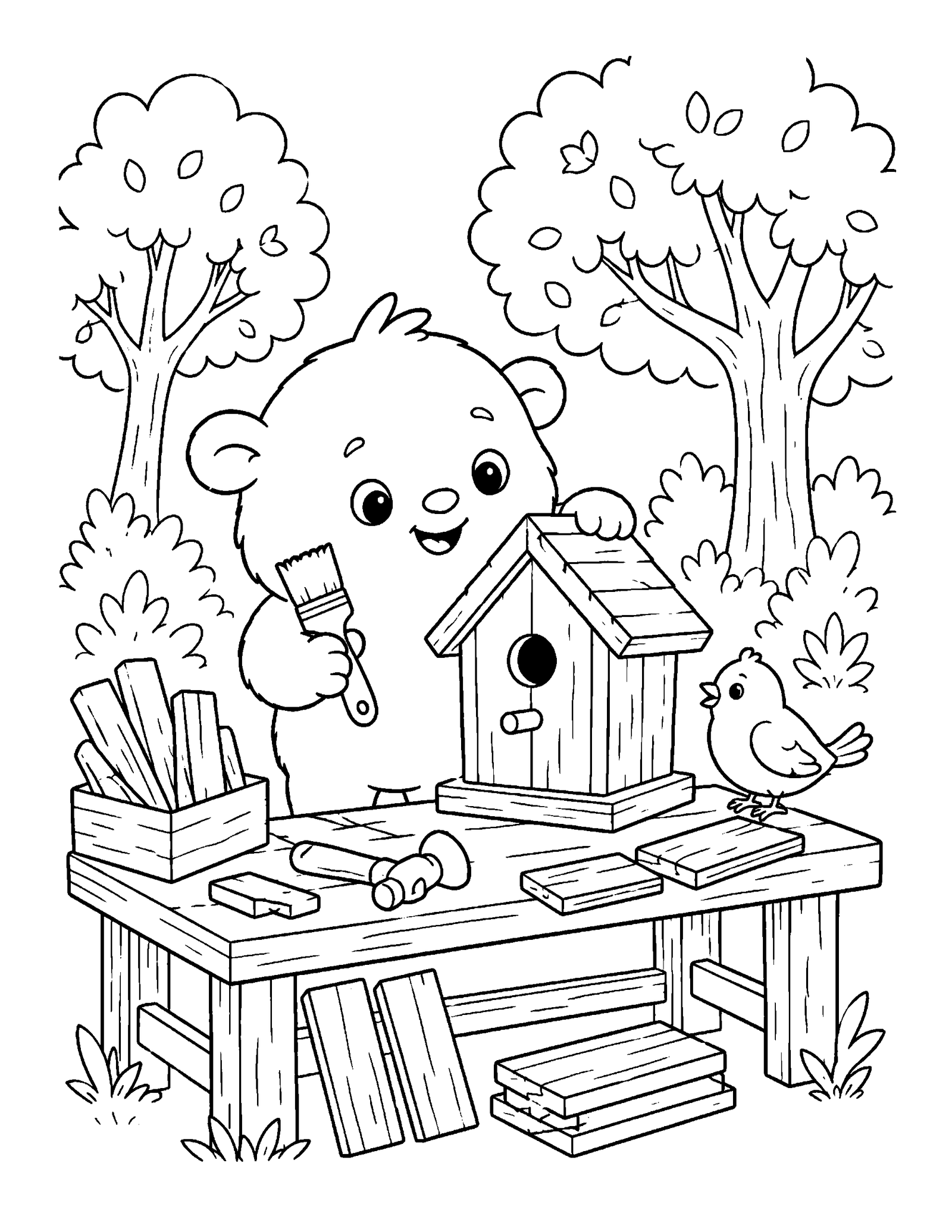
Minion Gardener Watering An Oversized Sunflower
The next of the minion coloring pages collection shows Minion gardener watering an oversized sunflower. The composition has a clear focal subject, supporting objects, and enough open space for an original palette, background mood, and short story.
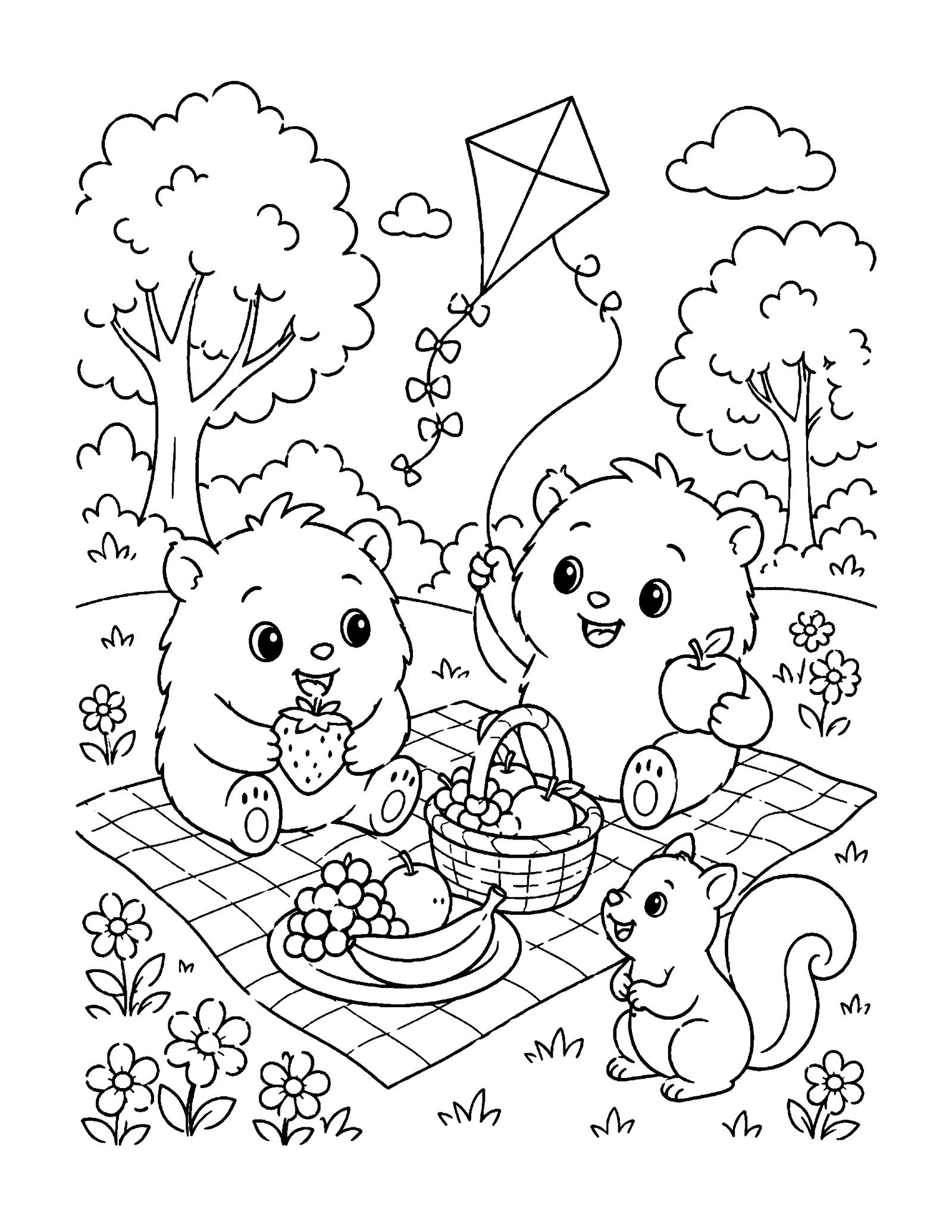
Minion Inventor Testing A Harmless Bubble Machine
This page from minion coloring pages collection shows Minion inventor testing a harmless bubble machine. The composition has a clear focal subject, supporting objects, and enough open space for an original palette, background mood, and short story.
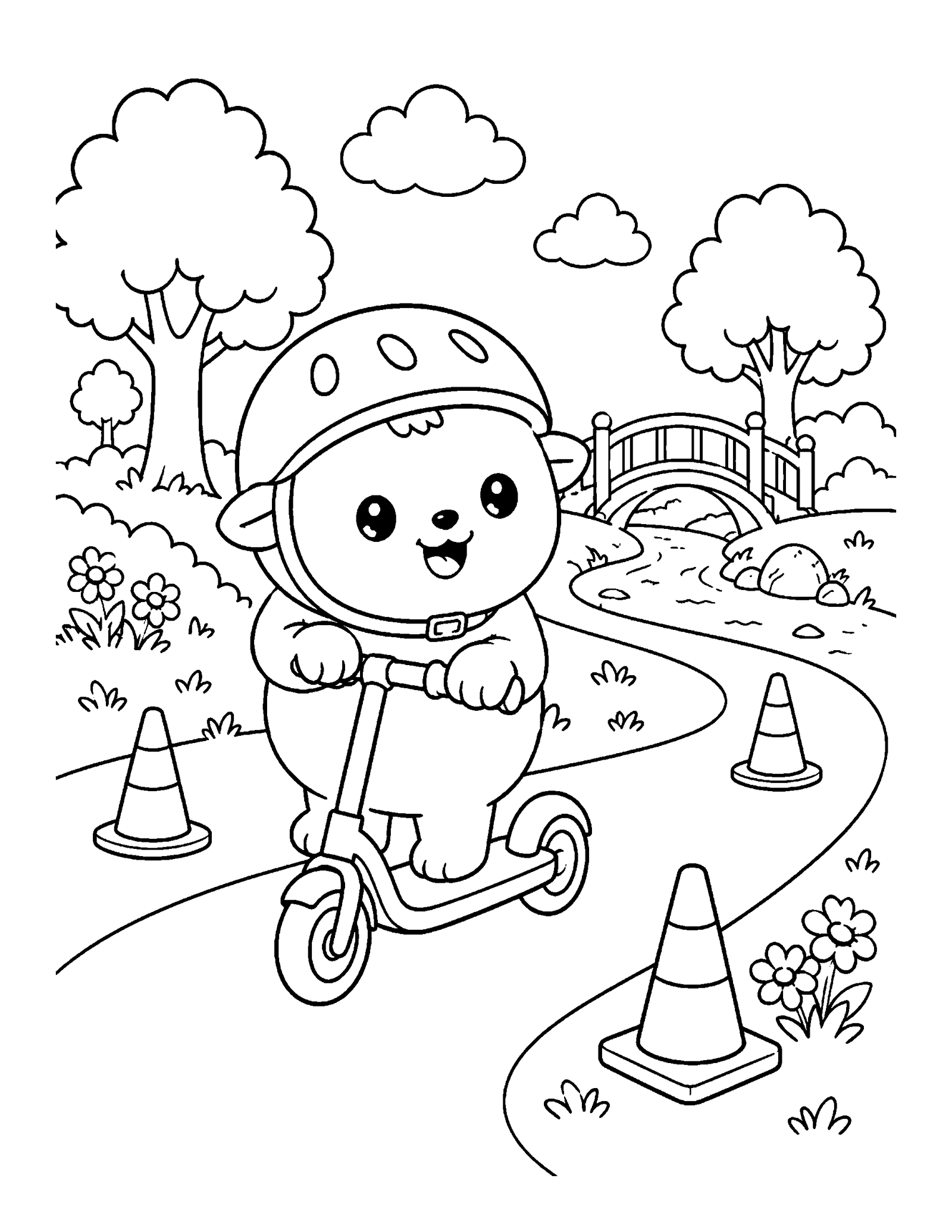
Three Minions Organizing Books On A Shelf
Within the minion coloring pages collection shows three Minions organizing books on a shelf. The composition has a clear focal subject, supporting objects, and enough open space for an original palette, background mood, and short story.
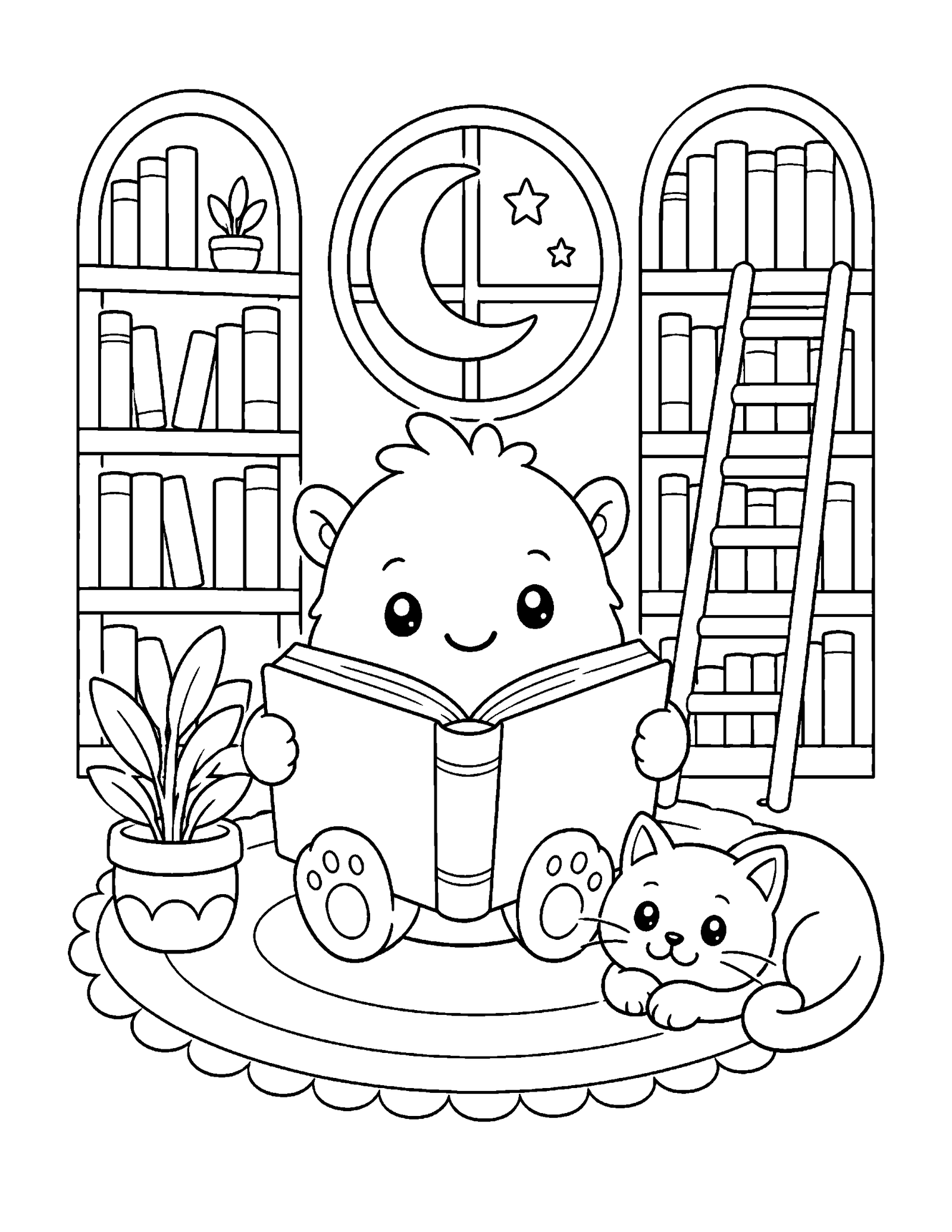
Minion Wearing A Raincoat Beside Puddles
One choice in minion coloring pages collection shows Minion wearing a raincoat beside puddles. The composition has a clear focal subject, supporting objects, and enough open space for an original palette, background mood, and short story.
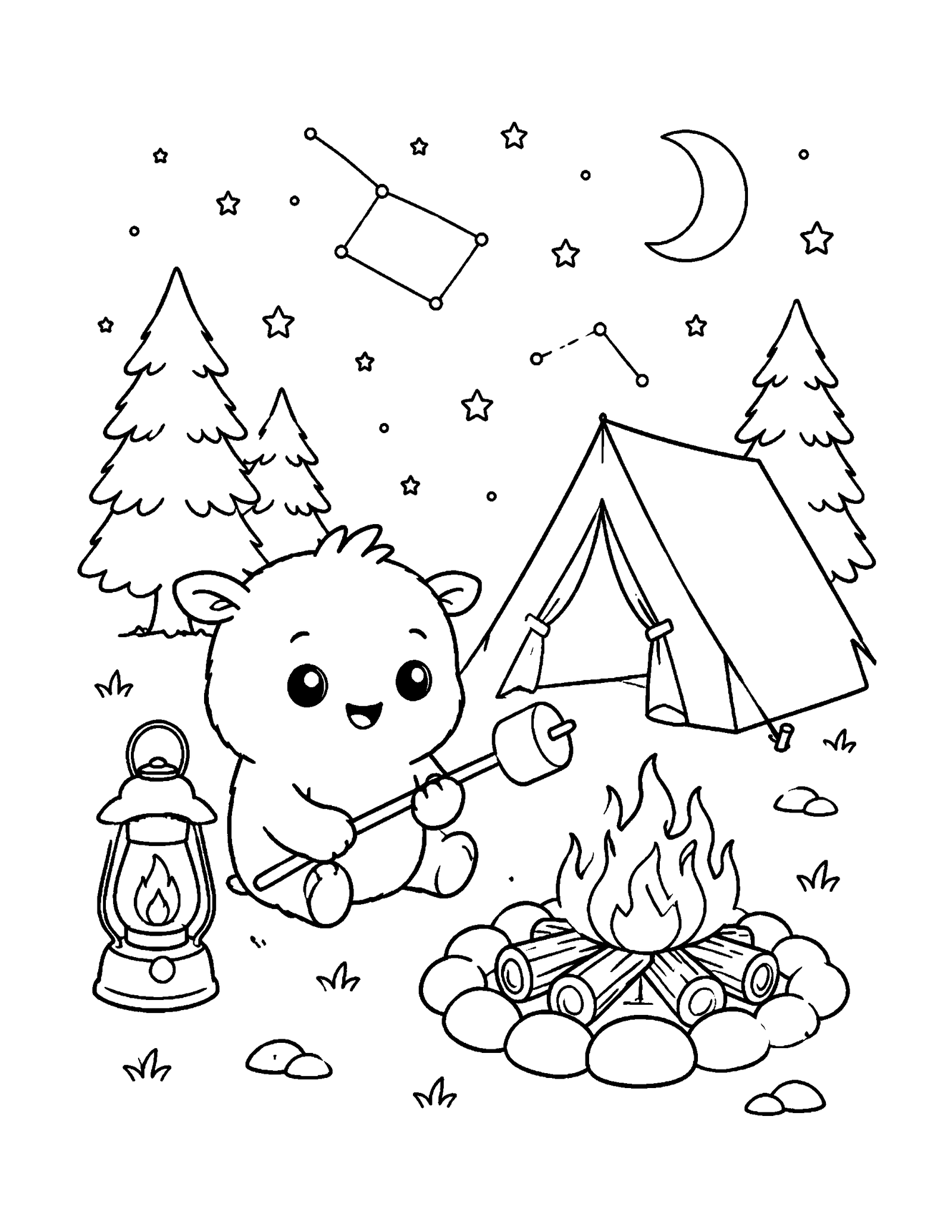
Minions Preparing Decorations For A Surprise Party
This scene in minion coloring pages collection shows Minions preparing decorations for a surprise party. The composition has a clear focal subject, supporting objects, and enough open space for an original palette, background mood, and short story.
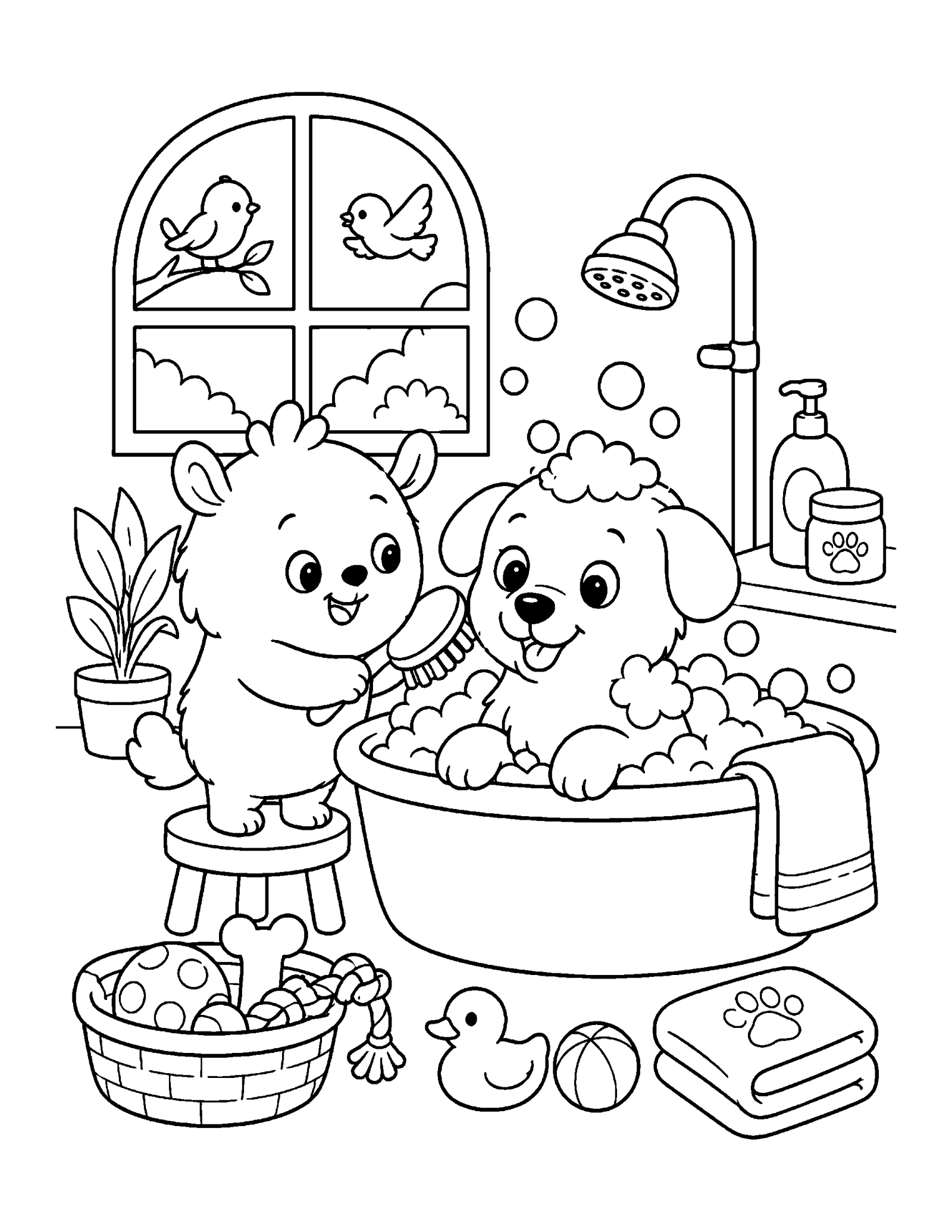
Minion Team Posing After Cleaning A Messy Workshop
The next of the minion coloring pages collection shows Minion team posing after cleaning a messy workshop. The composition has a clear focal subject, supporting objects, and enough open space for an original palette, background mood, and short story.
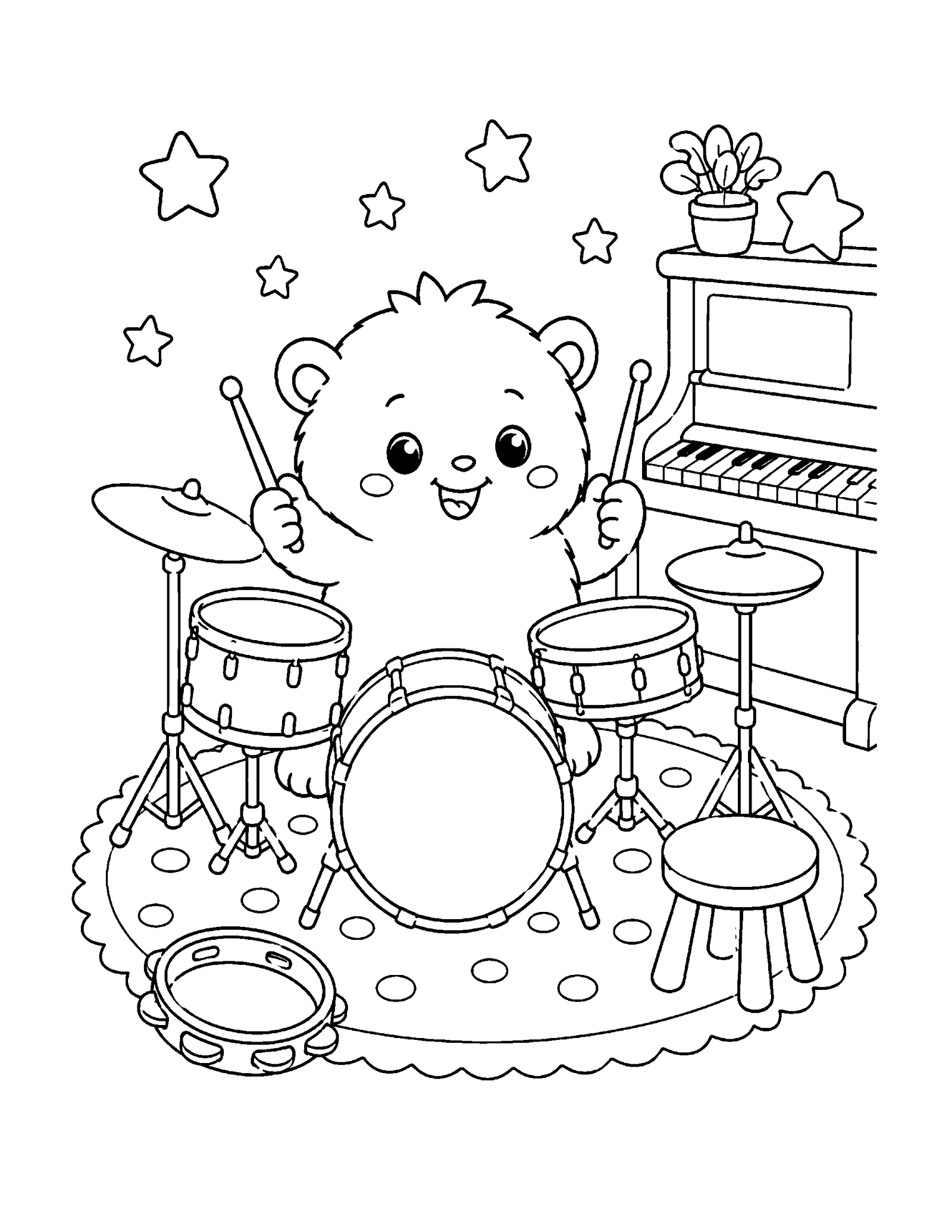
Read Expressions Before Choosing a Mood
Look at eyes, mouth, arms, posture, and nearby objects before naming the mood. Ask whether the character seems focused, surprised, proud, puzzled, or amused and identify the visual clue.
Use one of the minion coloring pages as a focused prompt rather than trying to complete every idea at once. Give the artist a clear choice, enough time to inspect the design, and permission to change the plan when a new color relationship appears.
Turn Harmless Mishaps into Comic Sequences
Place three completed pictures in sequence. Write one caption under each to show a plan, a small mistake, and a safe solution without copying movie dialogue.
Use one of the printable pages as a focused prompt rather than trying to complete every idea at once. Give the artist a clear choice, enough time to inspect the design, and permission to change the plan when a new color relationship appears.
At the middle of a minion coloring pages session, compare the visual structure with barbie coloring pages printable. Notice differences in line direction, background detail, and the way color communicates place or action.
Use Repeated Costume Colors for Continuity
Choose consistent colors for overalls, gloves, goggles, and shoes across several pages, then vary props and backgrounds. This shows how recurring costume cues connect a character series.
Use one of the printable pages as a focused prompt rather than trying to complete every idea at once. Give the artist a clear choice, enough time to inspect the design, and permission to change the plan when a new color relationship appears.
Printing and Supply Guidance
For crisp minion coloring pages, open the full-size image and print one test sheet. Select Letter paper in the United States or A4 where it is standard. Use portrait orientation unless the artwork is clearly horizontal, and choose fit to printable area if the outer lines appear cropped.
Crayons and colored pencils work well on ordinary copy paper. Washable markers or light paint perform better on heavier paper. Place scrap paper underneath marker work, protect the table, and allow wet pages to dry flat before stacking, trimming, or mounting them.
When several people use the same minion coloring pages, print a choice of designs rather than assigning one picture to everyone. A small selection respects different interests and skill levels. Display finished work without ranking it and ask each artist to describe one decision they enjoyed.
Adults who want reliable topic context can consult the official Illumination Minions page. This standard dofollow hyperlink is included for reference and is not an affiliate or promotional link.
Creative Uses at Home and in Class
Keep selected minion coloring pages in a quiet-time folder with sharpened pencils and a short prompt. Ask the artist to name the setting, choose a mood, or add one background detail before starting the main colors.
Pair the printable pages with descriptive vocabulary. A child can list three nouns, two adjectives, and one action word, then write an original sentence that explains what is happening in the picture.
Turn copies into cards, bookmarks, folder covers, story panels, or collage pieces. Adults should supervise cutting and test glue on spare paper because too much moisture can wrinkle the printed sheet.
Use the artwork for observation practice by asking what is near, what is far away, which shapes repeat, and where contrast is strongest. These questions introduce art language without controlling the child’s choices.
Save completed pages in a dated binder or portfolio. On the reverse, record the palette, tools, and one sentence about the scene. The notes create a creative record without grading or comparing the work.
Print one design twice when possible. Color one copy with warm hues and the second with cool hues, then discuss how the mood changes even though the outlines and composition remain the same.
Near the end of the activity, offer fortnite coloring pages as a follow-on topic. Moving from minion coloring pages to a new subject keeps the familiar coloring routine while changing the imagery and vocabulary.
Frequently Asked Questions
Which Minion design is least detailed
The raincoat and puddle page has one figure, broad clothing areas, and a simple weather setting.
Do the goggles need metallic supplies
No. Gray pencil, crayon, or marker can create a clear frame; a small white highlight may suggest shine.
How can children write an original comic
Use three panels with a goal, harmless mix-up, and helpful ending, then add brief captions in their own words.
Is this an official Minions collection
No affiliation or endorsement is claimed. The Illumination link is included only as an authoritative reference.
Which tools help with small expressions
Sharp colored pencils or fine-tip washable markers offer control around goggles, mouths, fingers, and props.
Finish the Minion Coloring Pages Collection
These minion coloring pages turn ten printable scenes into opportunities for color planning, observation, vocabulary, storytelling, and calm creative time. Choose the page that suits the available time, print it at full size, and let the artist make the important visual decisions. With suitable supplies and a clear purpose, minion coloring pages can support an enjoyable project without unnecessary rules or pressure.