
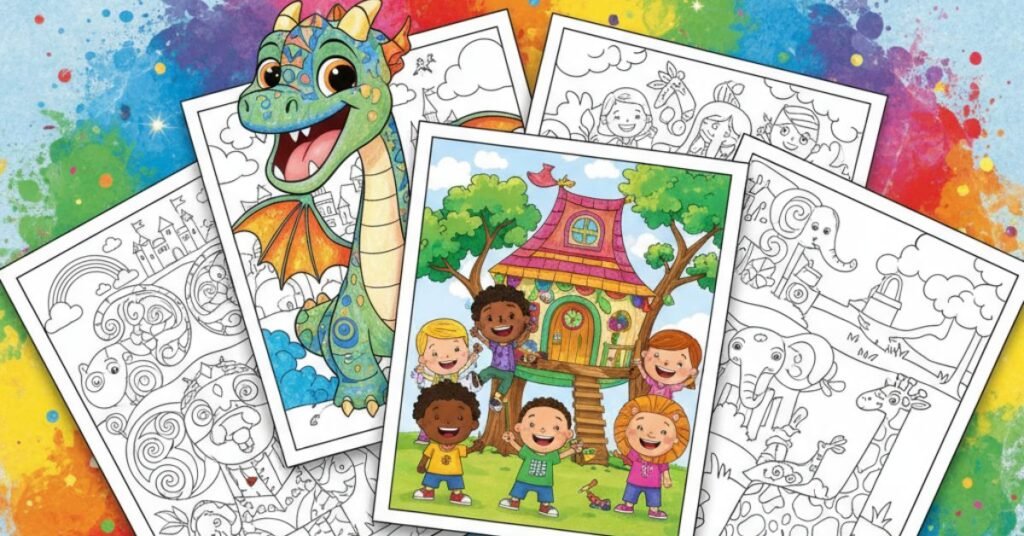
crayola coloring pages give children, families, and teachers a practical way to combine a familiar theme with hands-on creativity. This collection contains ten distinct scenes built around hands-on color exploration with crayons, pencils, and washable markers. Each printable can stand alone for quiet time, become part of a classroom prompt, or support a longer family art project. The designs range from focused character studies to fuller settings, so colorists can choose a page that matches their patience and confidence.
Start by previewing all ten pages, then pick the scene that sparks a question or story idea. A possible palette includes primary colors first, then secondary mixtures, tints, warm-and-cool pairs, and personal favorites, but reference colors are never a requirement. Personal choices make the activity more expressive, and unusual combinations can help a child explain mood, setting, and personality in clear language.
Readers who enjoy another creative direction can also explore cool coloring pages, which offers a useful contrast in subject, shapes, and storytelling possibilities.
What Makes This Collection Useful
The collection is organized around hands-on color exploration with crayons, pencils, and washable markers, not ten nearly identical poses. Some pages provide broad enclosed areas for crayons, while others include costume details, scenery, or small objects suited to colored pencils. That variety lets adults offer a real choice without turning the activity into a test of skill.
Before a child begins, invite them to identify the largest shape, two background details, and one place where a bright accent would stand out. This quick scan reduces random scribbling and introduces simple composition ideas. It also helps children who feel overwhelmed by a detailed page decide where to start.
Finished pages can remain simple, or colorists can extend them with patterns, weather, speech bubbles, or a border drawn in the blank margin. Encourage additions that support the scene rather than filling every open space. A calm balance between colored areas and white space often makes the main subject easier to see.
10 Printable Crayola Coloring Pages
Choose a page, open the full-size image on the website, and use the matching control block below so the publishing automation can place the correct artwork. Every slot has a unique filename, description, title, and caption.
Happy Crayon Box Beside Scattered Art Tools
This page shows a happy crayon box beside scattered art tools. The open areas invite careful color choices, while the setting gives children enough visual information to imagine what happened just before and what may happen next.
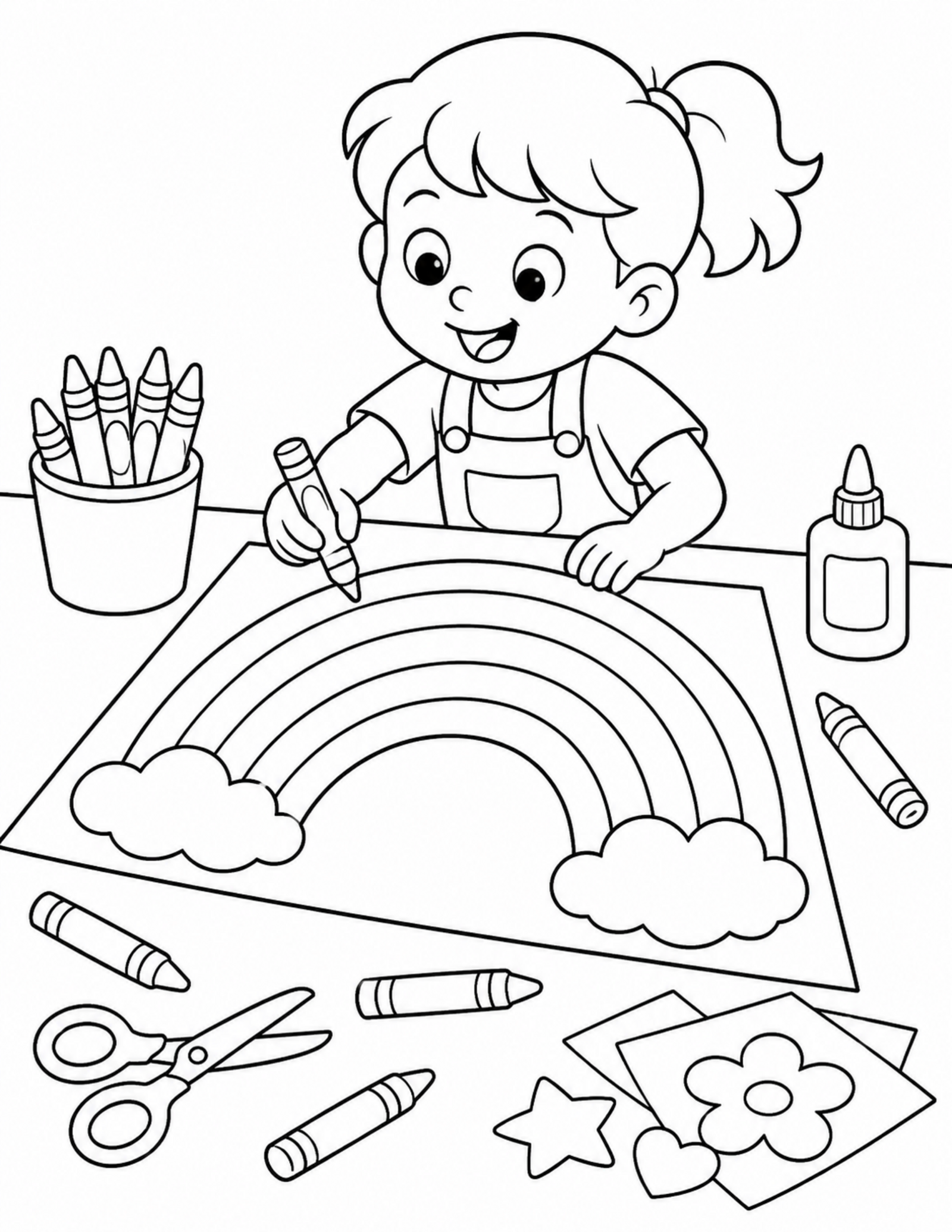
Rainbow Arching Above A Playful Town
This page shows a rainbow arching above a playful town. The open areas invite careful color choices, while the setting gives children enough visual information to imagine what happened just before and what may happen next.
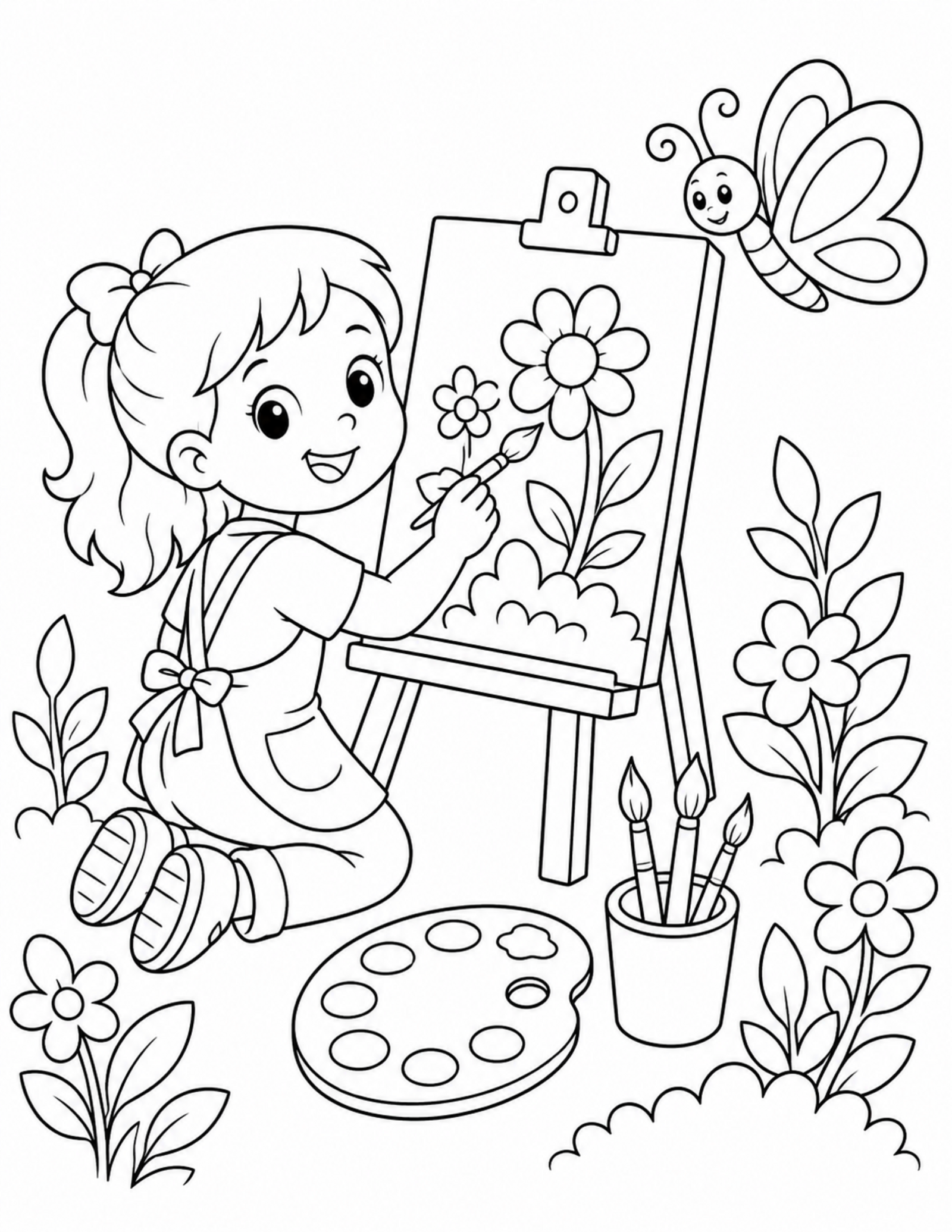
Download Garden Easel Painting
Color Wheel Surrounded By Familiar Objects
This page shows a color wheel surrounded by familiar objects. The open areas invite careful color choices, while the setting gives children enough visual information to imagine what happened just before and what may happen next.
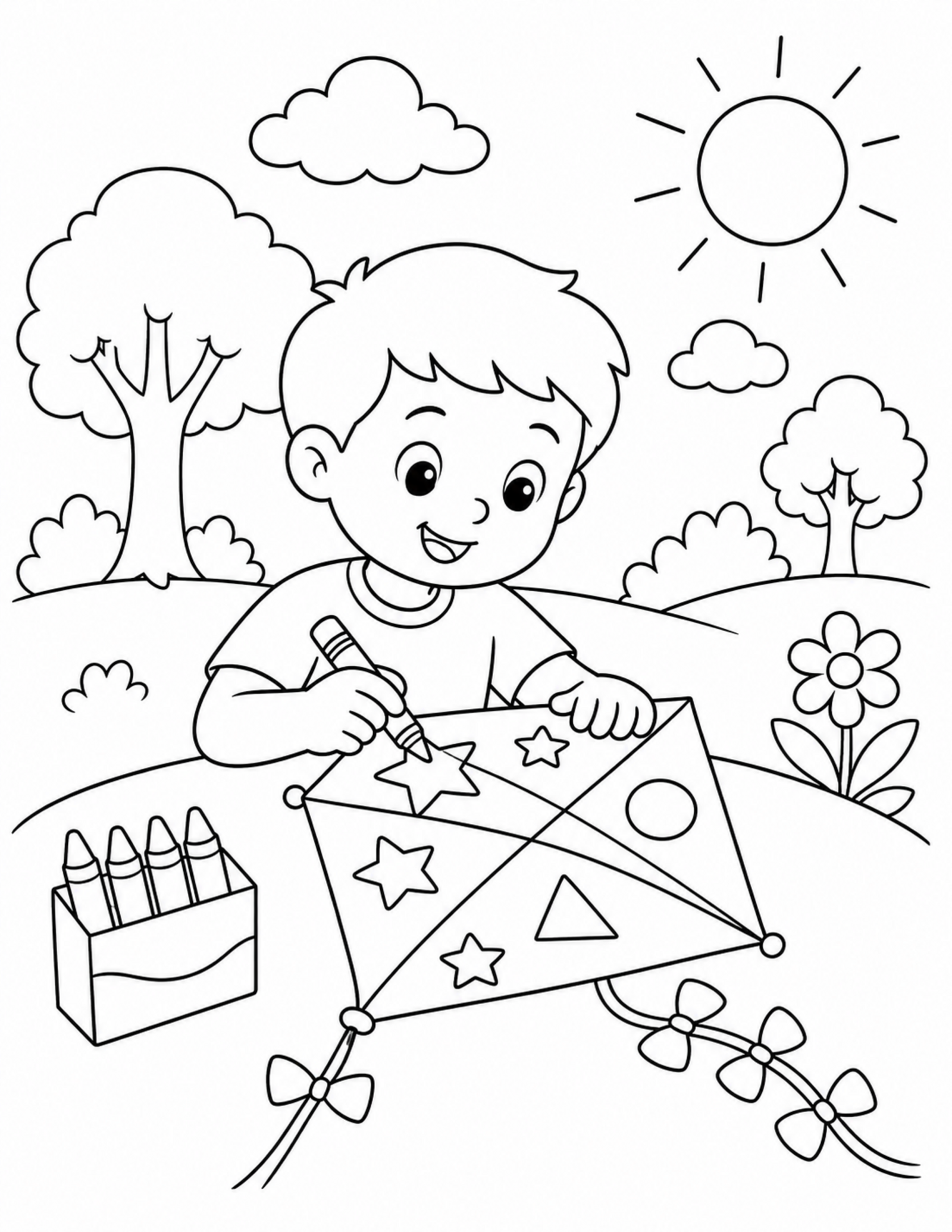
Download Kite Decorating Craft
Child Drawing At A Sunny Classroom Table
This page shows a child drawing at a sunny classroom table. The open areas invite careful color choices, while the setting gives children enough visual information to imagine what happened just before and what may happen next.
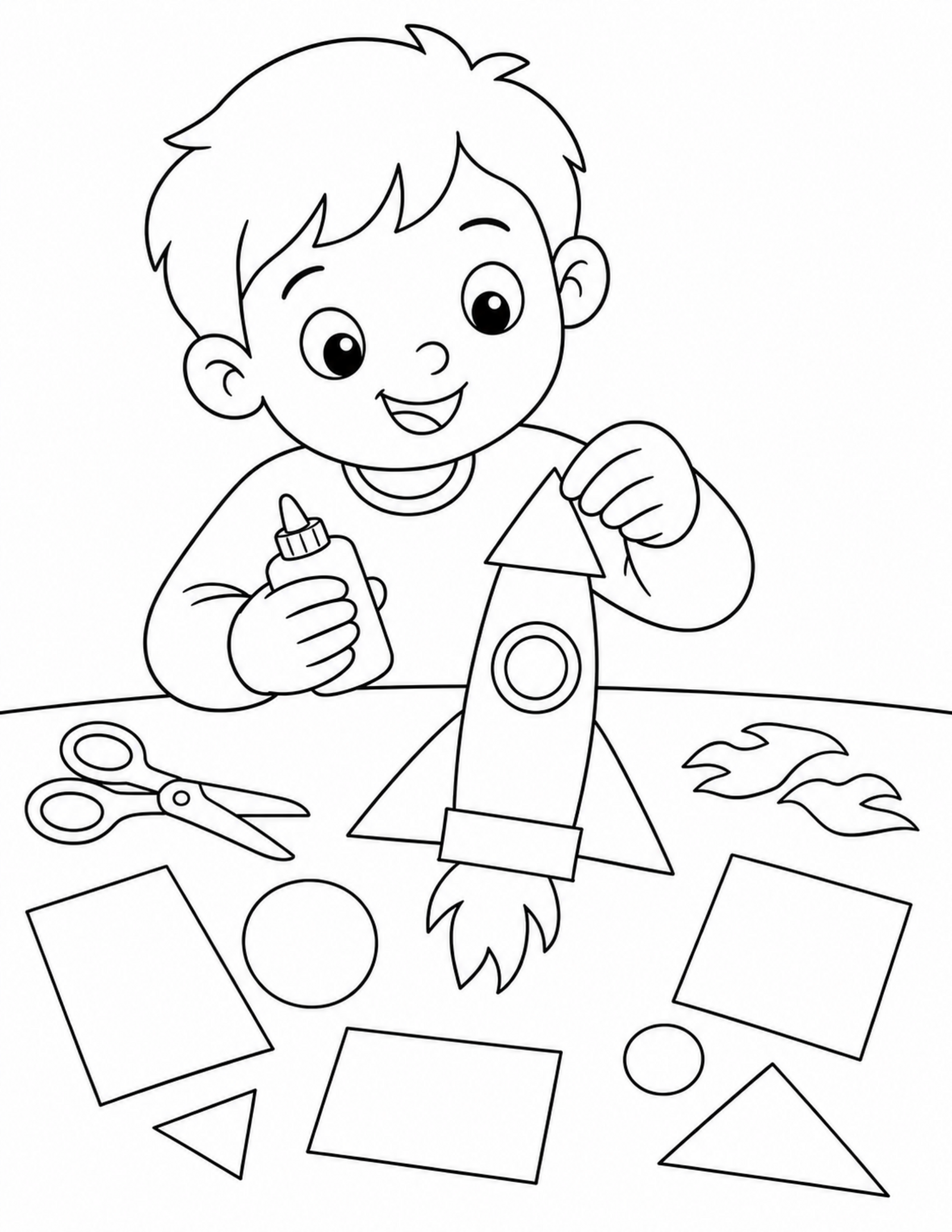
Crayons Marching In A Cheerful Parade
This page shows a crayons marching in a cheerful parade. The open areas invite careful color choices, while the setting gives children enough visual information to imagine what happened just before and what may happen next.
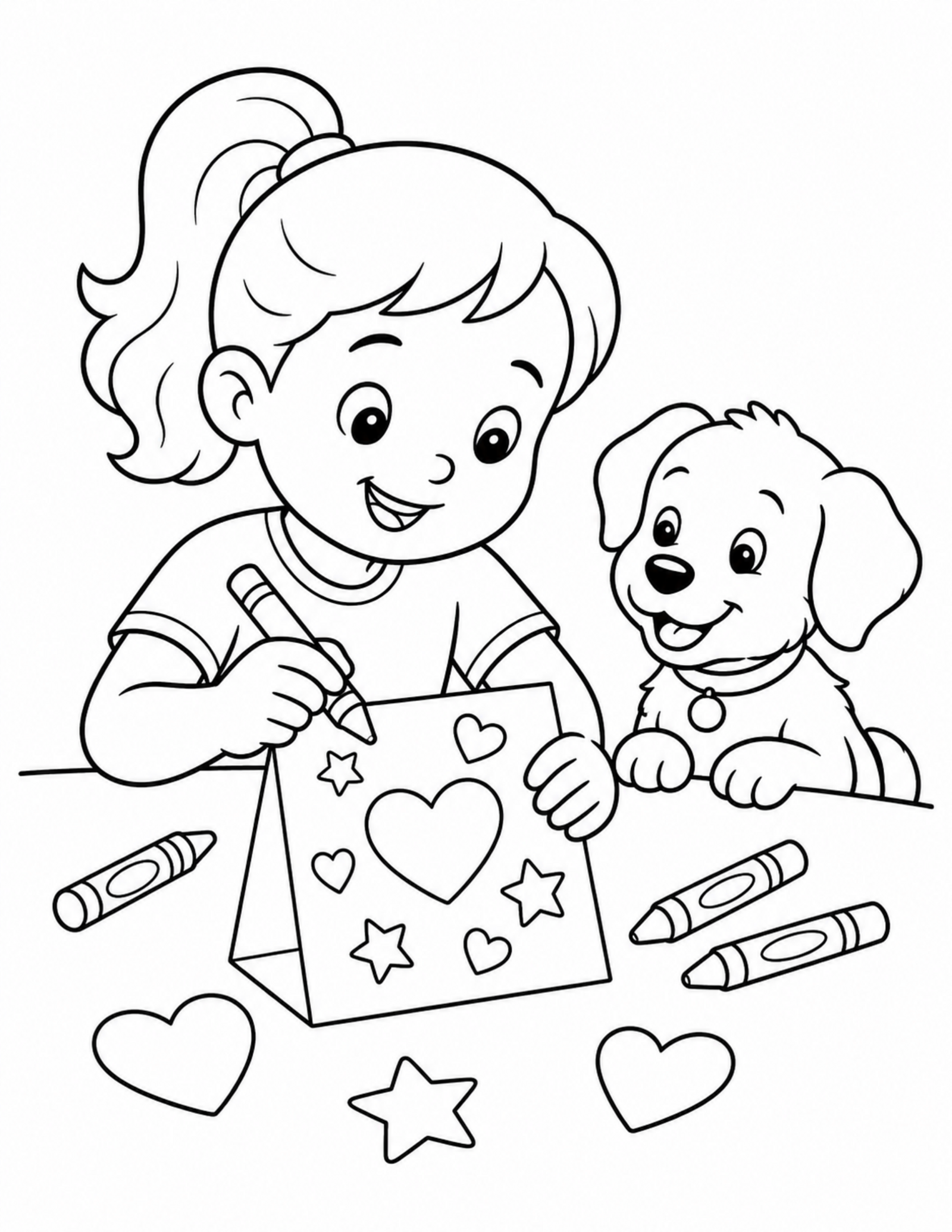
Butterfly Garden With Large Patterned Wings
This page shows a butterfly garden with large patterned wings. The open areas invite careful color choices, while the setting gives children enough visual information to imagine what happened just before and what may happen next.
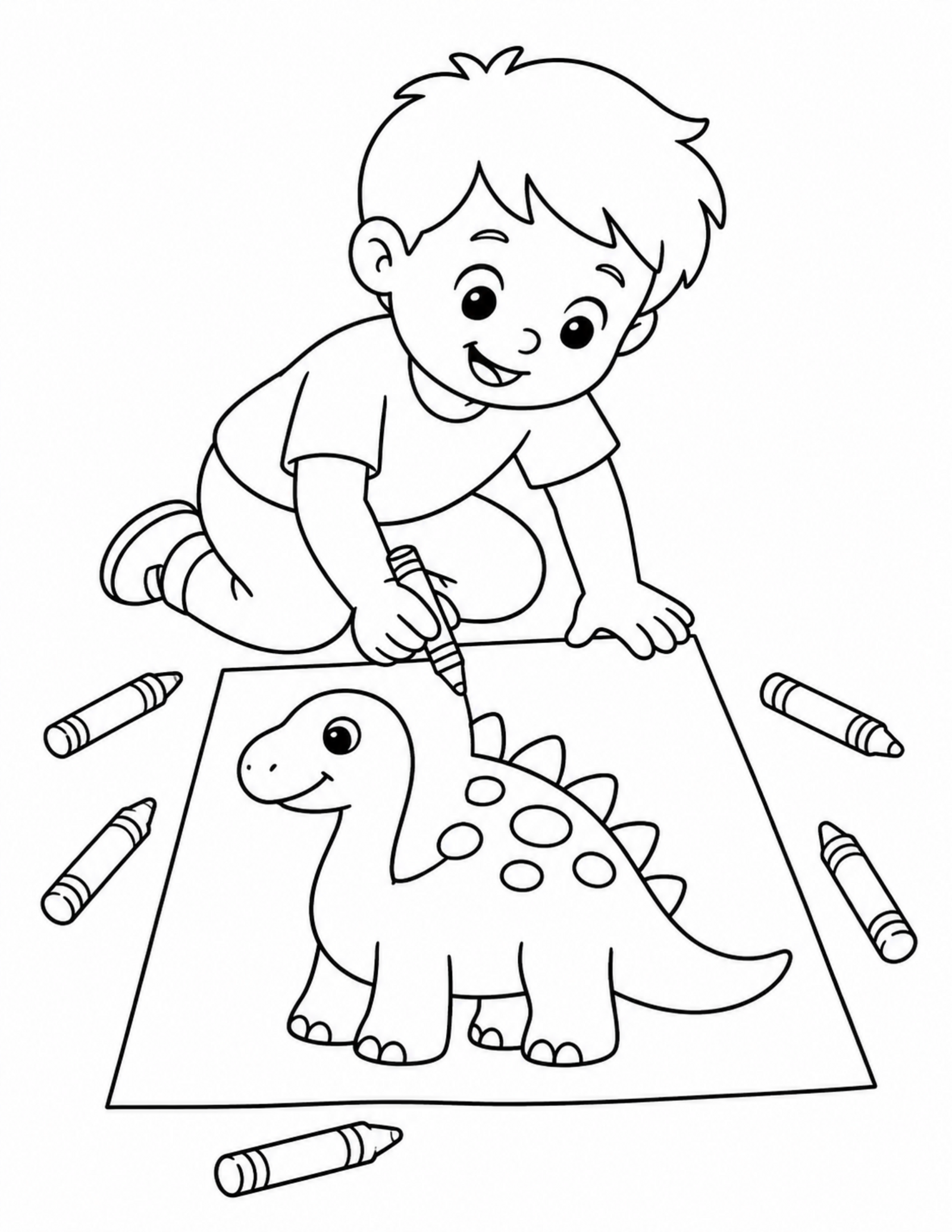
Download Dinosaur Drawing Time
Undersea Scene Filled With Simple Shapes
This page shows a undersea scene filled with simple shapes. The open areas invite careful color choices, while the setting gives children enough visual information to imagine what happened just before and what may happen next.
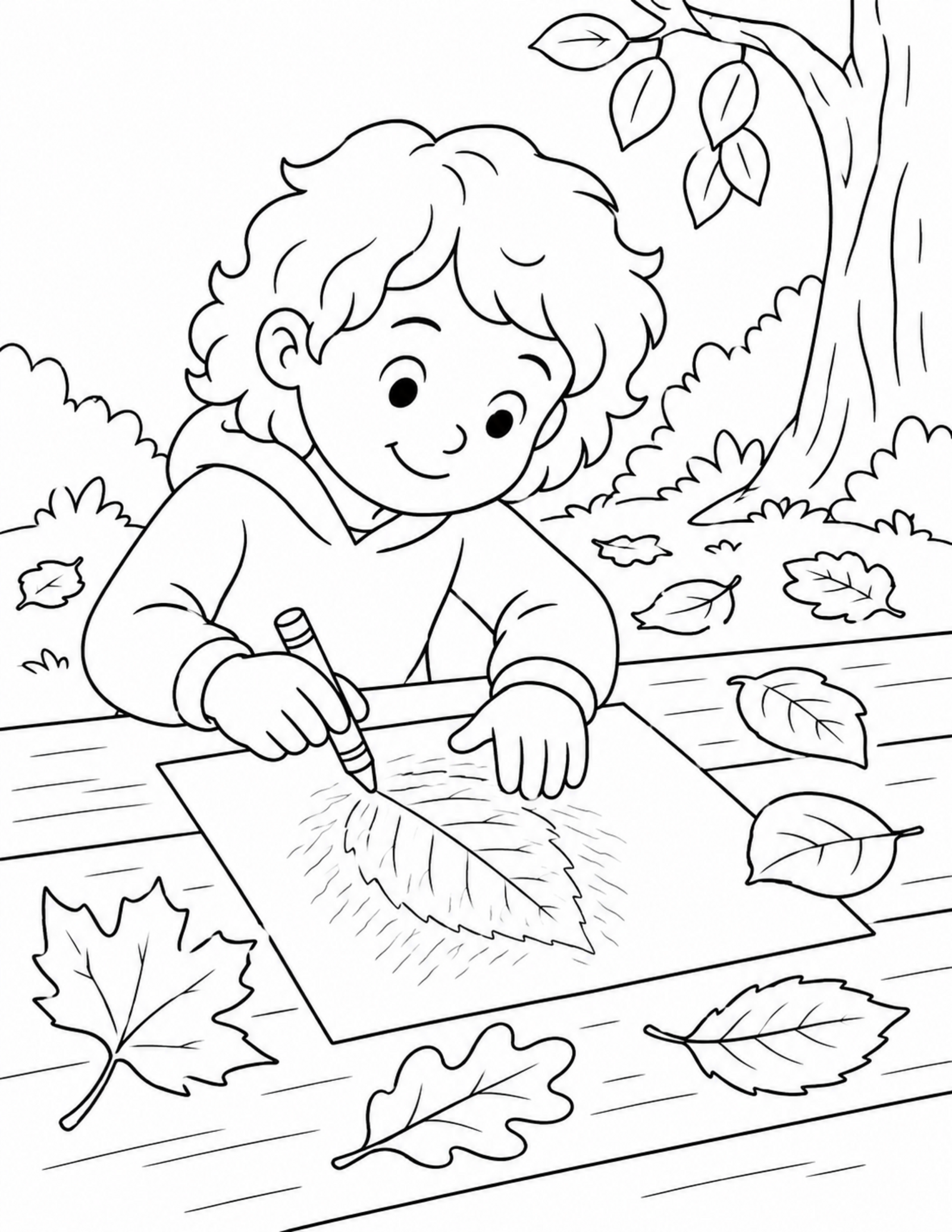
Space Rocket Leaving A Striped Color Trail
This page shows a space rocket leaving a striped color trail. The open areas invite careful color choices, while the setting gives children enough visual information to imagine what happened just before and what may happen next.
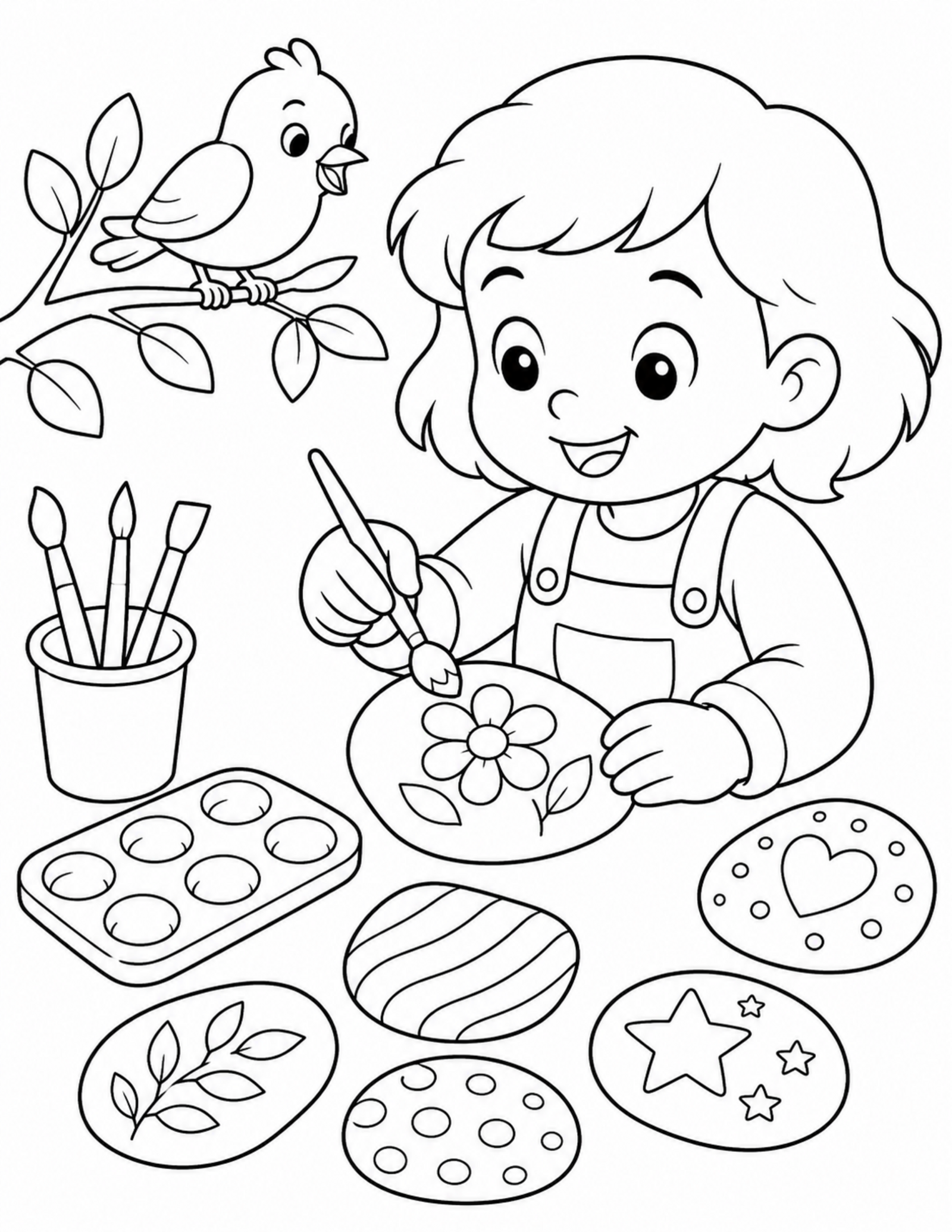
Download Stone Painting Garden
Stack Of Art Supplies Beside Finished Crafts
This page shows a stack of art supplies beside finished crafts. The open areas invite careful color choices, while the setting gives children enough visual information to imagine what happened just before and what may happen next.
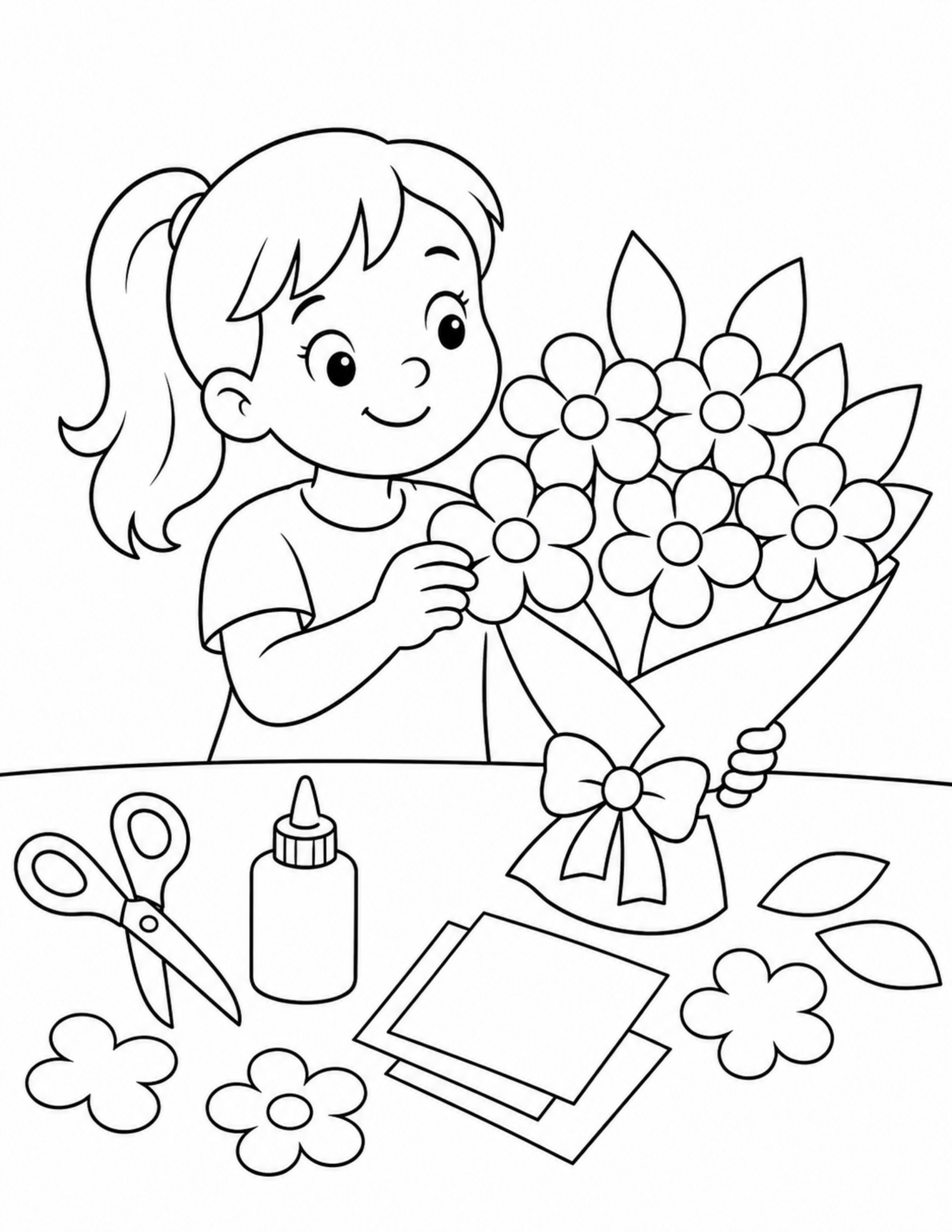
Family Creating A Collaborative Poster
This page shows a family creating a collaborative poster. The open areas invite careful color choices, while the setting gives children enough visual information to imagine what happened just before and what may happen next.
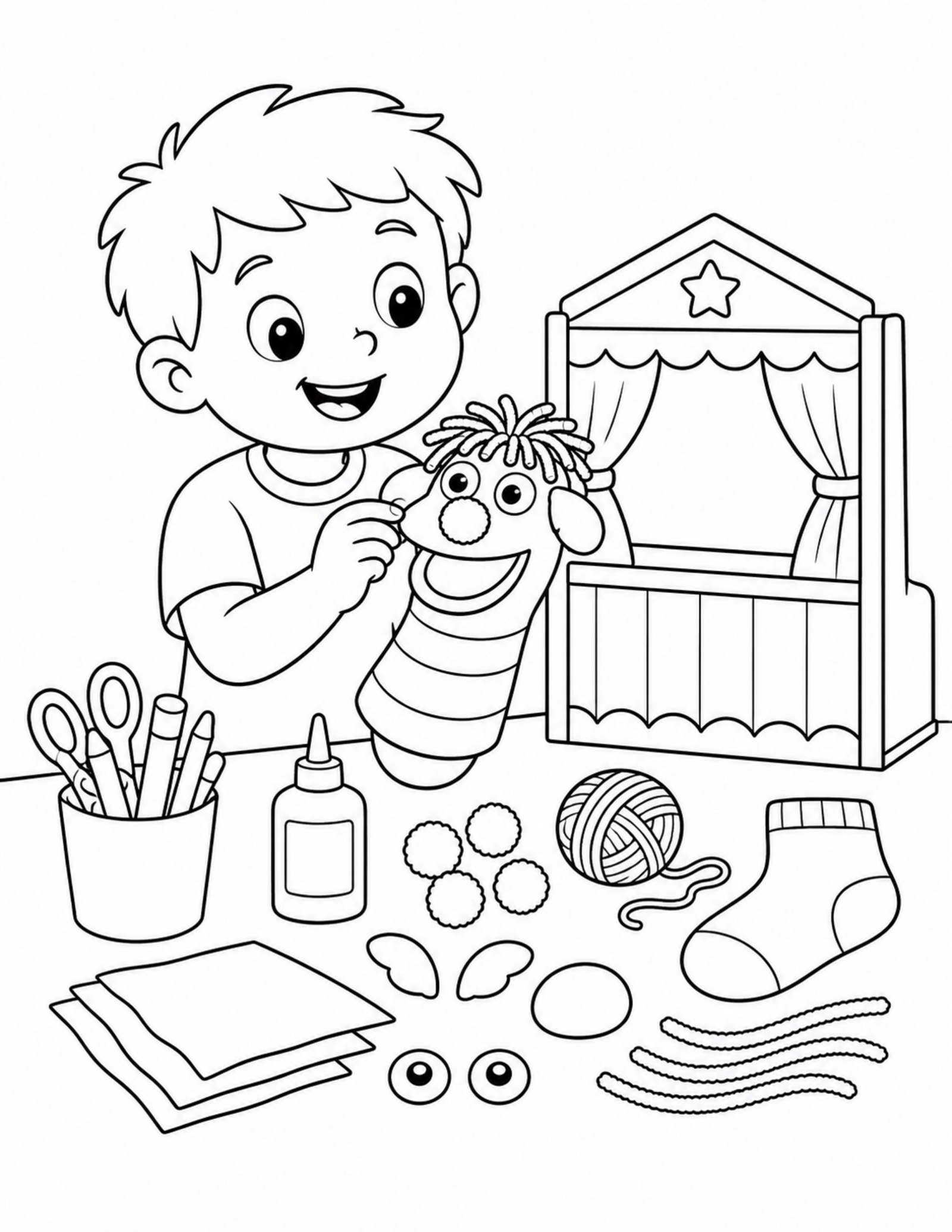
Run a Color-Family Challenge
Use primary colors first, then secondary mixtures, tints, warm-and-cool pairs, and personal favorites as a starting vocabulary rather than a strict recipe. Ask the colorist to choose one main color, one quieter supporting color, and one accent. Then discuss where repeating the accent could guide the eye across the picture. This small plan teaches visual organization without limiting imagination.
Try a two-version experiment by printing the same outline twice. Color the first with a cheerful, high-contrast plan and the second with a calm, closely related group of colors. Place the pages side by side and describe how the atmosphere changes even though the lines stay identical.
For a softer visual comparison, browse aesthetic coloring pages. Notice how line density and subject matter can influence the choice of tools and the amount of background color.
Compare Pressure and Texture
Choose three pages and arrange them as beginning, middle, and ending. The artist can add a title to the back of each sheet and tell one event aloud before coloring. Afterward, revisit the sequence and decide whether any color should repeat across all three pictures to show that they belong to one story.
A group can turn the sequence into cooperative play. One person names the setting, another invents a problem, and a third proposes a solution. Everyone colors a different sheet, then the group displays the results in order. This keeps individual art choices intact while creating a shared outcome.
Reuse Finished Pages in Crafts
Create a small planning card with four swatches and a short label for each color’s job: main subject, clothing or texture, background, and accent. Younger children can point to the swatches; older children can write color names or mix labels such as sunset orange or moonlit purple.
Save the card with the finished page in a folder. Looking back at several cards helps colorists notice preferences and experiment beyond them. It also turns a casual coloring session into a simple record of creative decisions without grading the artwork.
Printing and Choosing Art Supplies
Öffnen Sie das Bild in voller Größe vor dem Drucken, anstatt eine kleine Vorschau zu drucken. Wählen Sie in den Vereinigten Staaten Papier im Format Letter oder A4, wo dies Standard ist, behalten Sie die Hochformat-Ausrichtung bei, es sei denn, das Kunstwerk ist eindeutig horizontal, und verwenden Sie „An druckbare Fläche anpassen“, wenn ein Drucker den äußeren Rand abschneidet. Drucken Sie eine Testseite, bevor Sie Kopien für eine Gruppe erstellen.
Gewöhnliches Kopierpapier eignet sich gut für Wachsmalstifte und Buntstifte. Schwereres Papier ist zuverlässiger für Marker oder eine kleine Menge Farbe. Legen Sie Schmierpapier unter Markerarbeiten, verwenden Sie abwaschbare Materialien für jüngere Kinder und lassen Sie nasse Seiten flach trocknen, bevor Sie sie schneiden, stapeln oder ausstellen.
Eine komfortable Einrichtung ist genauso wichtig wie die Druckereinstellungen. Sorgen Sie für gutes Licht, eine stabile Oberfläche und eine begrenzte Auswahl an Werkzeugen in Reichweite. Kurze Pausen helfen, wenn die Hände müde werden, besonders bei Seiten mit vielen kleinen Bereichen. Ein unfertiges Bild kann gespeichert und später fortgesetzt werden.
Later in the activity, consider alphabet coloring pages for a fresh theme that still supports coloring, conversation, and creative choice.
Ideen für Zuhause, Klassenzimmer und Gruppenaktivitäten
Legen Sie zu Hause eine Seite und eine kleine Schachtel mit Materialien in einen Ordner für ruhige Zeiten. Fügen Sie eine einfache Aufforderung hinzu, wie z. B. „Benenne die Umgebung“, „Wähle das Wetter“ oder „Erfinde ein Geräusch“. Die Aufforderung gibt eine Richtung vor, ohne das Bild für das Kind zu bestimmen.
Verbinden Sie im Klassenzimmer das Bild mit beschreibendem Vokabular. Die Schüler können drei Substantive, drei Adjektive und ein Aktionswort auflisten, bevor sie einen Satz schreiben. Das Kunstwerk liefert konkrete Details, die die Schreibaufgabe zugänglicher erscheinen lassen können.
Drucken Sie für eine Party oder ein Treffen mehrere verschiedene Szenen aus, anstatt alle zu zwingen, dieselbe Seite zu verwenden. Zeigen Sie fertige Arbeiten nur mit Vornamen an und laden Sie jeden Künstler ein, eine Wahl mitzuteilen, die ihm gefallen hat. Vermeiden Sie Ranglisten, damit das Gespräch bei den Ideen bleibt.
Verwandeln Sie ein fertiges Blatt in ein praktisches Bastelobjekt, indem Sie es auf farbiges Papier kleben, zu einer Karte falten oder einen kleinen Abschnitt für ein Lesezeichen zuschneiden. Erwachsene sollten das Schneiden beaufsichtigen und Klebstoffe wählen, die das Papier nicht wellen.
Nutzen Sie die Seite zur Beobachtungsübung, indem Sie fragen, was in der Nähe ist, was weit weg ist, welche Formen sich wiederholen und wo das Bild am belebtesten wirkt. Diese Fragen bauen visuelles Vokabular auf und respektieren gleichzeitig die Aktivität als kreatives Spiel.
Familien können ein datiertes Portfolio aufbewahren und es nach mehreren Monaten wieder besuchen. Anstatt die Verbesserung zu beurteilen, bemerken Sie Veränderungen in der Geduld, den bevorzugten Werkzeugen, den Musterwahlen oder den erzählerischen Details. Spezifische Beobachtungen sind ermutigender als pauschales Lob.
Häufig gestellte Fragen
Must children use Crayola-brand tools?
No. The pages can be colored with any age-appropriate crayons, pencils, or washable markers available to the family or classroom.
How can a child learn color families?
Sort tools into warm, cool, and neutral groups, then use one group for most of a page and another for small accents.
What prevents waxy buildup from tearing paper?
Use several light layers instead of pressing hard immediately. Smooth paper on a firm surface also reduces unwanted dents.
Can finished sheets become crafts?
Yes. Cut selected areas for cards, bookmarks, folder covers, or a shared collage after an adult confirms the cutting plan.
How can adults support without taking over?
Offer two or three technique choices, demonstrate on scrap paper, and let the child decide which approach belongs in the picture.
Halte die nächste kreative Sitzung einfach
These crayola coloring pages offer ten different starting points for color planning, conversation, and imaginative play. Choose one scene that fits the available time, print it at full size, and let the artist make the important choices. A thoughtful setup, suitable tools, and a specific story prompt can turn a single printable into a satisfying project without adding pressure or unnecessary rules.

Such a great mix of simple and detailed designs!