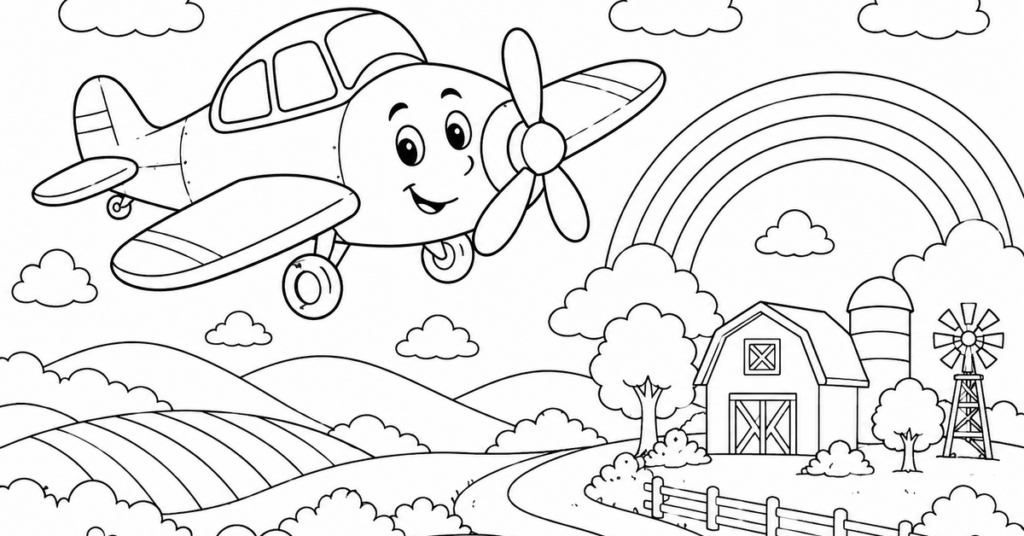
airplane coloring page provide ten complete scenes for children, families, teachers, and fans who want a focused printable activity. The collection centers on passenger jets, small propeller planes, airport scenes, flight equipment, and the basic parts of an aircraft. Each page offers a different composition, so visitors can choose broad simple shapes, fuller backgrounds, or small decorative details according to time and confidence.
The set moves from broad, beginner-friendly aircraft outlines to airport environments with runways, vehicles, windows, and cockpit details. Children can focus on one plane while older colorists create weather, distance, and movement across a complete scene.
Airplanes invite useful questions before the first crayon touches paper: Is the aircraft taking off, landing, carrying passengers, or exploring a remote place? Choosing an answer helps the artist plan the sky, ground, markings, and imagined destination.
For another character-focused activity after these airplane coloring page, visit cars coloring pages. The different subject and line structure can help families compare palettes and storytelling choices.
What These airplane coloring page Include
The airplane coloring page collection contains ten genuinely different scenes instead of repeating one pose. Colorists can select a page by difficulty, favorite setting, available supplies, or the kind of story they want to tell. Previewing the full set first also reduces unnecessary printing.
A practical palette for airplane coloring page might include sky blue, cloud white, runway gray, safety orange, navy, silver, and a bright accent color. Treat that list as a starting point rather than a rule. Replacing expected colors with unusual combinations can communicate a different time, season, personality, or emotional tone.
Before beginning, identify the largest enclosed area, two medium shapes, and one accent detail. Fill the large areas first, then return to patterns and small objects. This order gives the page structure and helps prevent hand fatigue.
10 Printable airplane coloring page
Each of the following airplane coloring page has a unique automation block, filename, alt text, title, and caption. Open the full-size artwork on PintyMinty before printing so the browser does not enlarge a small preview.
passenger jet climbing above layered clouds
This printable scene features passenger jet climbing above layered clouds with a clear focal point and supporting details. Colorists can follow familiar references or invent a new palette, background mood, and short story for the moment.
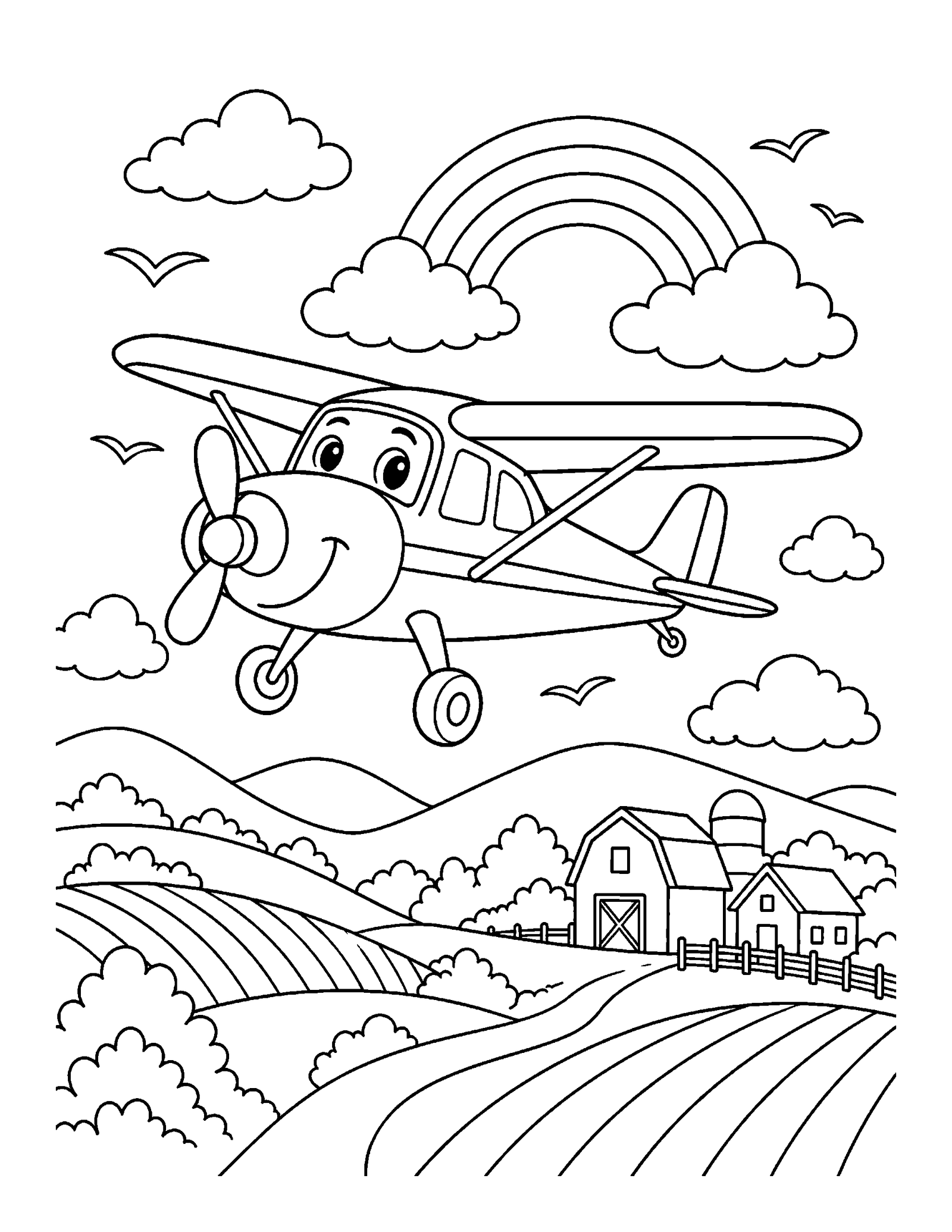
Download Smiling airplane over farm
small propeller airplane parked beside a hangar
This printable scene features small propeller airplane parked beside a hangar with a clear focal point and supporting details. Colorists can follow familiar references or invent a new palette, background mood, and short story for the moment.
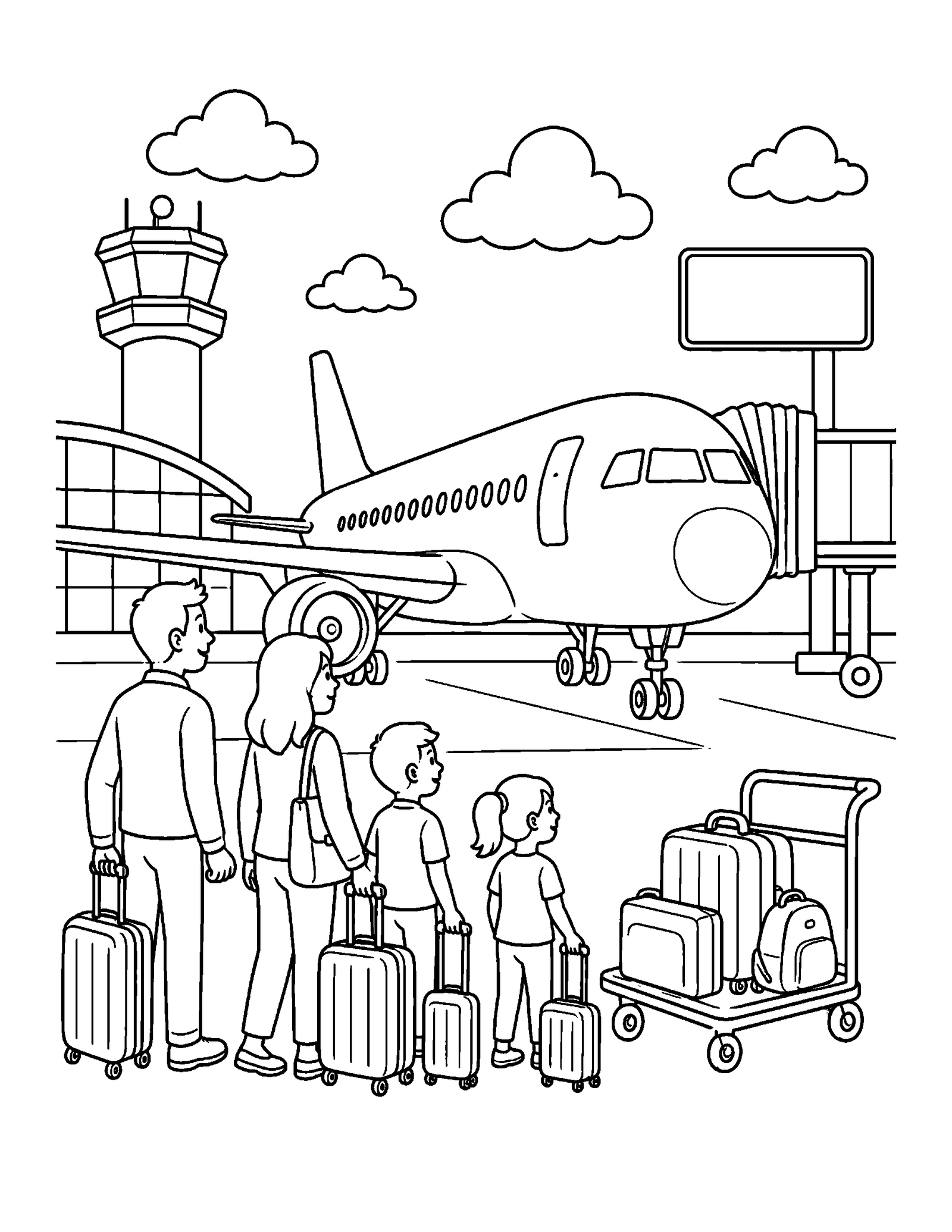
Download Airport family departure
airliner rolling along a marked airport runway
This printable scene features airliner rolling along a marked airport runway with a clear focal point and supporting details. Colorists can follow familiar references or invent a new palette, background mood, and short story for the moment.
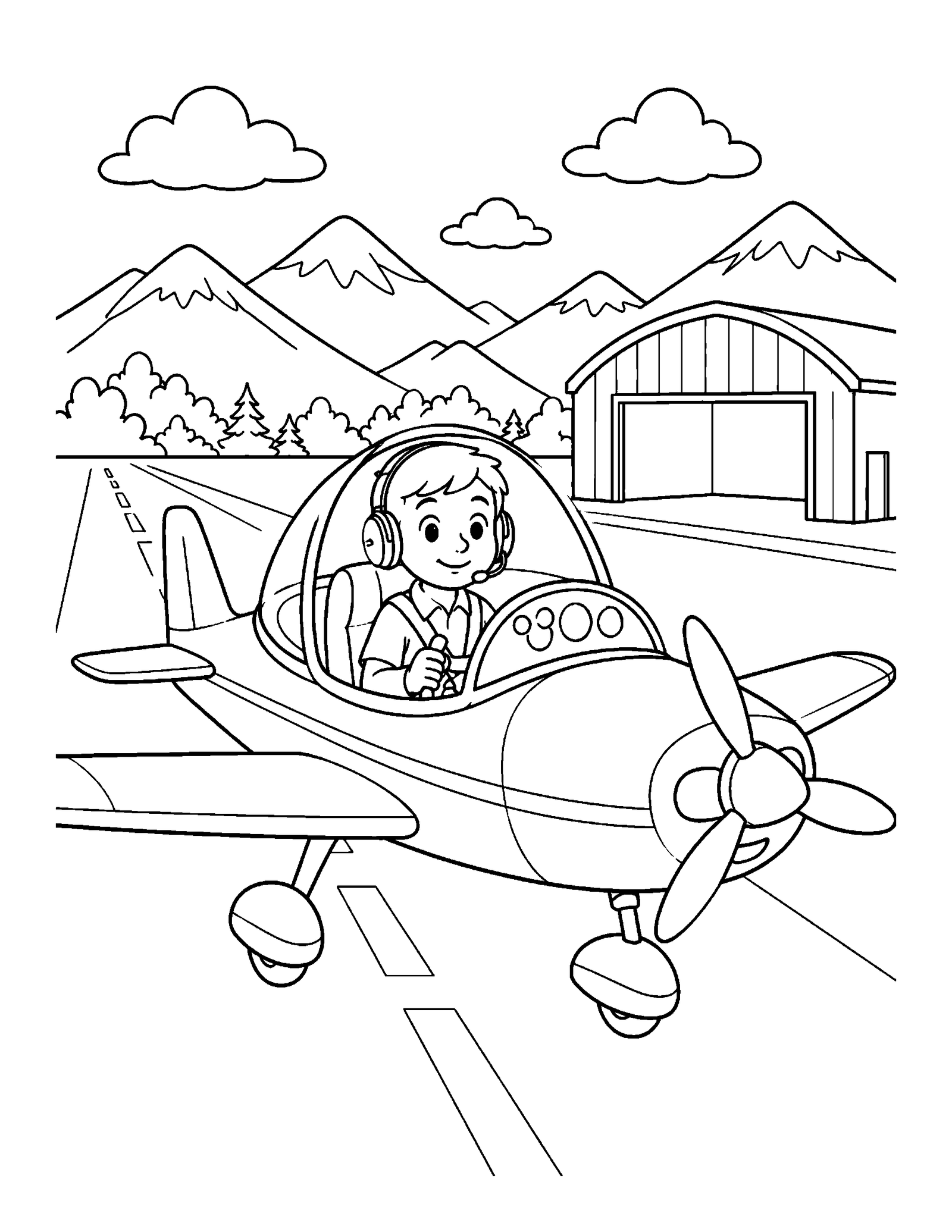
Download Young pilot in cockpit
seaplane resting on water near a wooded shore
This printable scene features seaplane resting on water near a wooded shore with a clear focal point and supporting details. Colorists can follow familiar references or invent a new palette, background mood, and short story for the moment.
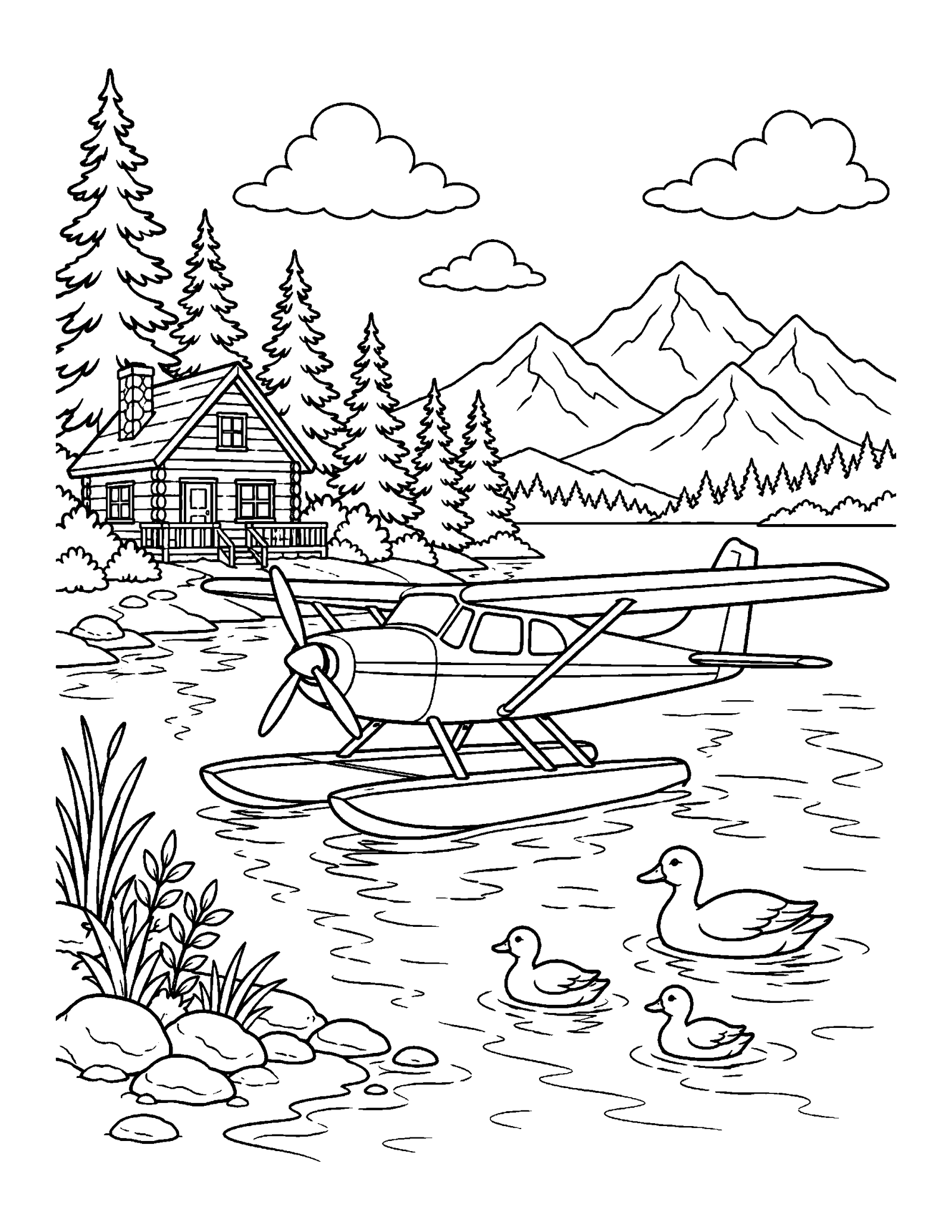
Download Seaplane on mountain lake
biplane flying past rounded mountain peaks
This printable scene features biplane flying past rounded mountain peaks with a clear focal point and supporting details. Colorists can follow familiar references or invent a new palette, background mood, and short story for the moment.
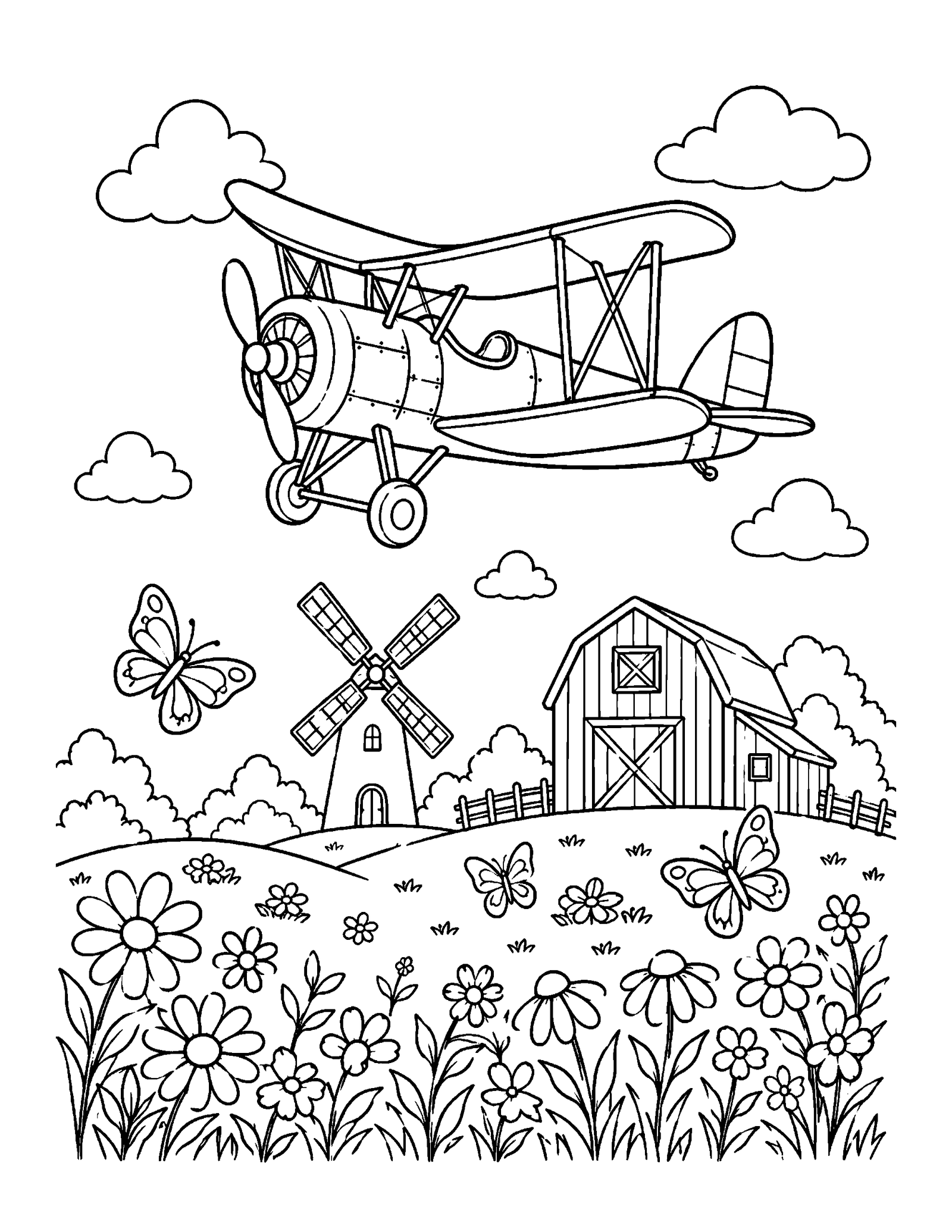
Download Vintage biplane in meadow
cargo airplane being loaded on the apron
This printable scene features cargo airplane being loaded on the apron with a clear focal point and supporting details. Colorists can follow familiar references or invent a new palette, background mood, and short story for the moment.
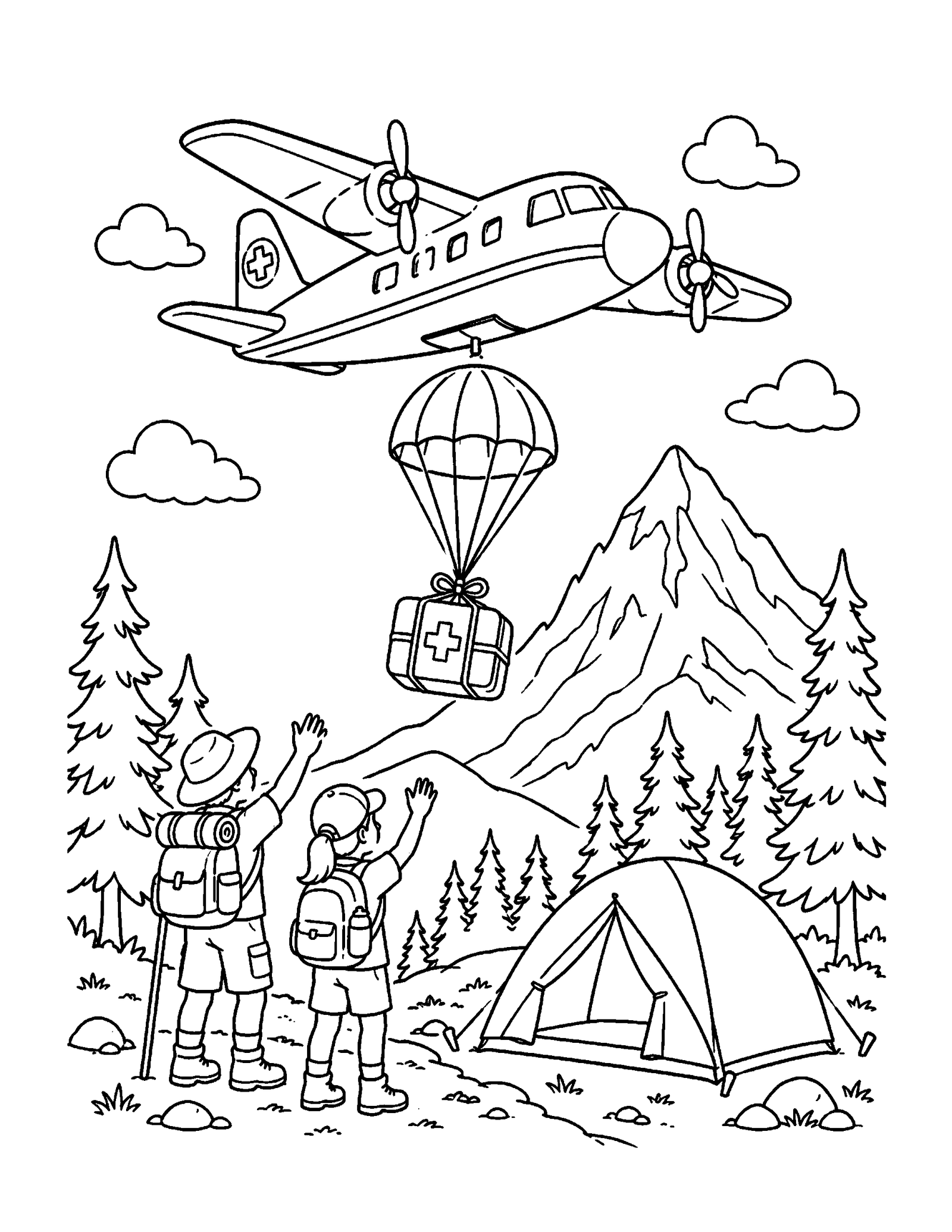
Download Rescue airplane delivery
air traffic control tower overlooking two aircraft
This printable scene features air traffic control tower overlooking two aircraft with a clear focal point and supporting details. Colorists can follow familiar references or invent a new palette, background mood, and short story for the moment.
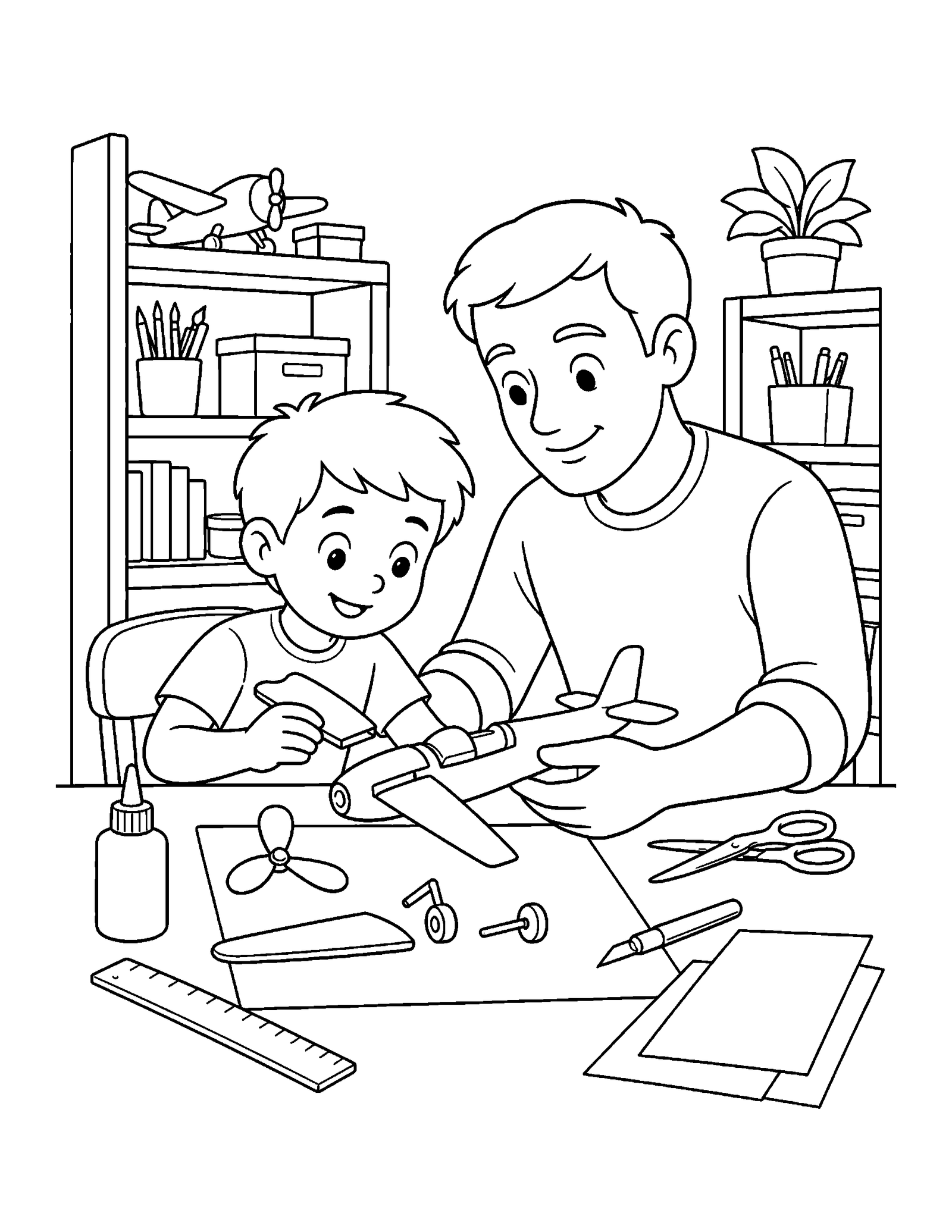
Download Model airplane craft time
pilot standing beside a compact training plane
This printable scene features pilot standing beside a compact training plane with a clear focal point and supporting details. Colorists can follow familiar references or invent a new palette, background mood, and short story for the moment.
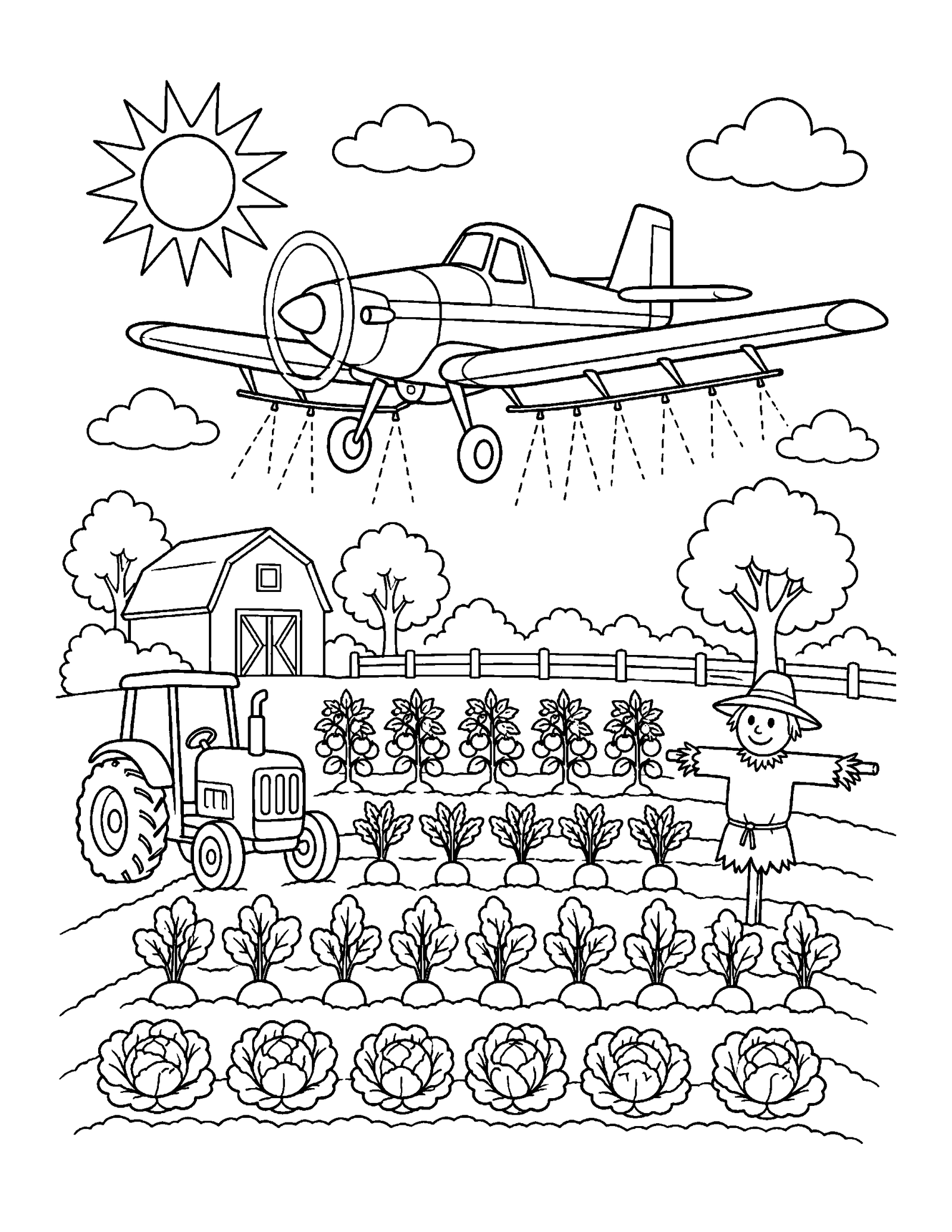
Download Farm airplane over crops
airplane cockpit with readable instruments and windows
This printable scene features airplane cockpit with readable instruments and windows with a clear focal point and supporting details. Colorists can follow familiar references or invent a new palette, background mood, and short story for the moment.
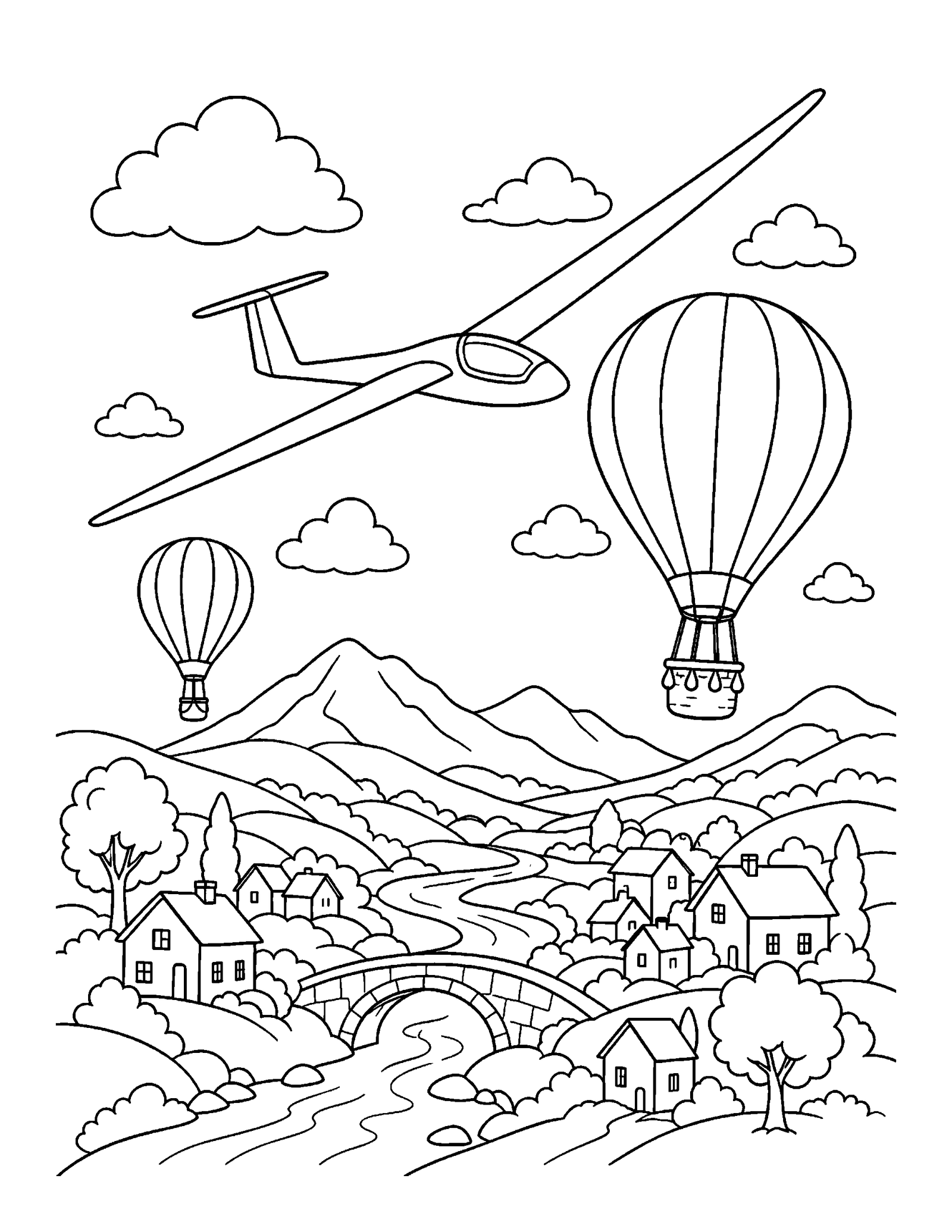
airport scene with a jet, service vehicles, and terminal
This printable scene features airport scene with a jet, service vehicles, and terminal with a clear focal point and supporting details. Colorists can follow familiar references or invent a new palette, background mood, and short story for the moment.
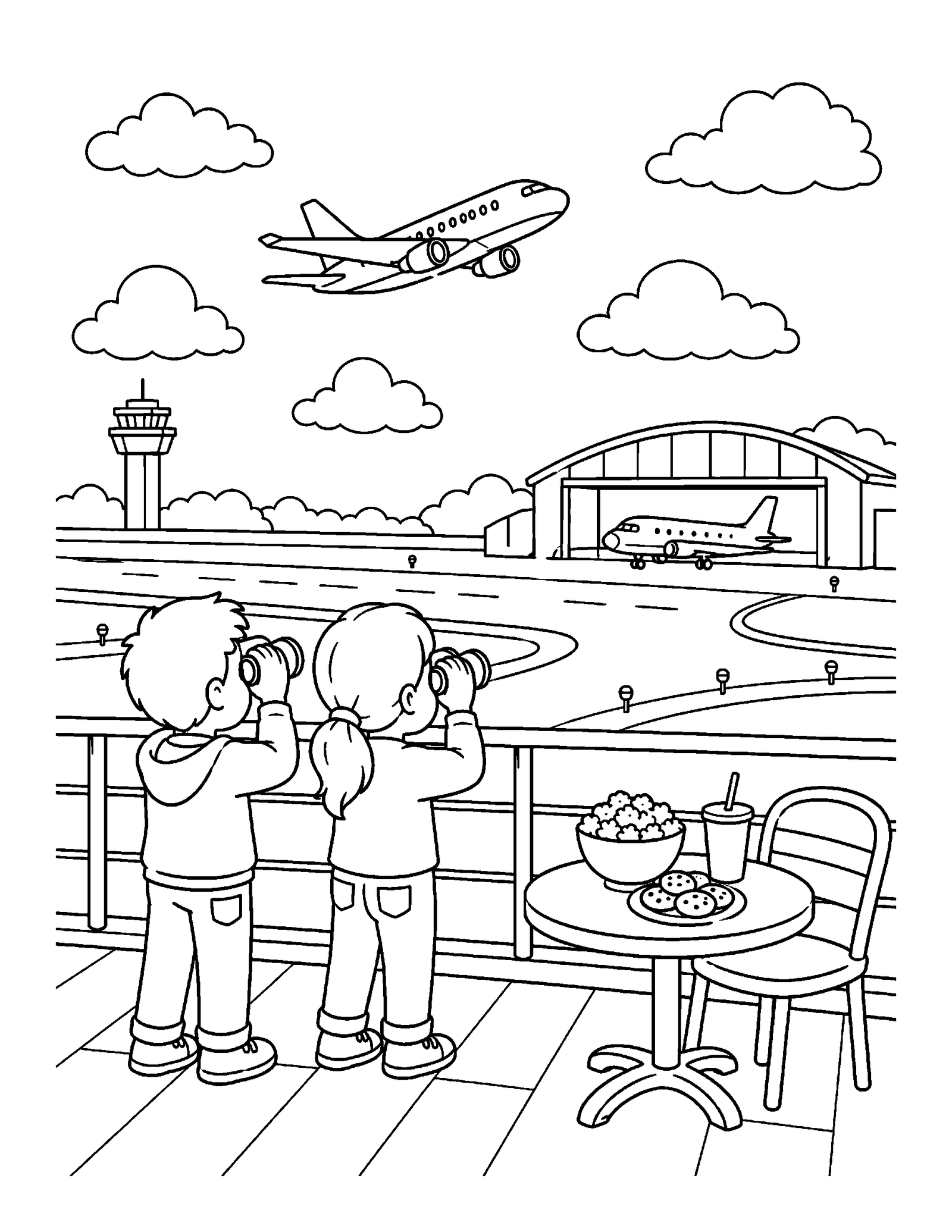
Download Airport observation friends
Turn Flight Scenes into Short Adventures
Use airplane coloring page as visual story prompts. Select a beginning, middle, and ending from three pictures, then name the setting, one challenge, and one helpful action. A repeated color can connect the pages as one sequence.
Write a simple flight log with a departure place, destination, weather note, and one event from the journey. The scene supplies visual clues while the child invents the route.
In the middle of a airplane coloring page session, compare the page with monster truck coloring pages. Focus on shapes, expressions, and background density rather than deciding which subject is better.
Build an Aviation Color and Shape Plan
Color planning makes a detailed printable easier to approach. Choose one dominant hue, two supporting colors, and one small accent. Repeat the accent in separate places so the viewer’s eye moves around the composition.
Compare straight runway markings with curved wings, round windows, and angled tail surfaces. Children can outline one family of shapes in a shared color before completing the picture.
Print the same design twice when possible. One version of airplane coloring page can use warm colors and the other cool colors. Comparing the results shows how palette changes mood without changing the line art.
Learn Aircraft Words Through Art
Label age-appropriate terms such as wing, nose, tail, cockpit, engine, runway, and hangar on a spare copy. Keep labels outside the main drawing so the artwork remains clear.
Save completed airplane coloring page in a dated folder or binder sleeve. On the back, record the palette, tool, and one sentence about the scene. These notes create a useful creative record without grading or ranking the artwork.
Printing and Supply Guidance
For crisp airplane coloring page, open the full-size image and print one test sheet. Choose Letter paper in the United States or A4 where it is standard, keep portrait orientation unless a design is clearly horizontal, and use fit-to-printable-area when edges appear cropped.
Crayons and colored pencils work on ordinary copy paper. Washable markers or light paint perform better on heavier paper. Put scrap paper beneath marker work, protect the table, and allow wet pages to dry flat before stacking or cutting.
Limit the first supply choice for younger children. A small box of selected colors makes the activity feel manageable and reduces distraction. Add more colors when the main areas are complete or when a specific detail needs contrast.
For an authoritative topic reference, adults may consult the FAA aviation education resources. This standard hyperlink is included for context and is not an affiliate or promotional link.
Creative Uses at Home and in Class
At home, place one set of airplane coloring page in a quiet-time folder with sharpened pencils and a simple prompt. Ask the artist to name the setting, choose a mood, or add one background object before coloring.
Teachers can pair airplane coloring page with descriptive vocabulary. Students may list three nouns, three adjectives, and one action word, then use them in a short original paragraph about the scene.
For group use, offer several airplane coloring page instead of requiring everyone to color one design. Display finished work with first names only and invite each participant to describe one decision they enjoyed.
Turn selected parts of airplane coloring page into cards, bookmarks, folder covers, or collage pieces. Adults should supervise cutting and test glue on spare paper because too much moisture may wrinkle printed sheets.
Use airplane coloring page for observation practice by asking what is near, what is far away, which shapes repeat, and where contrast is strongest. These questions introduce art vocabulary without taking control of the picture.
A family portfolio of airplane coloring page can show changing preferences over time. Notice tool control, patience, patterns, and storytelling detail rather than labeling one result as better than another.
Near the end of the activity, offer truck coloring pages as a follow-on theme. Moving from airplane coloring page to a different subject keeps the creative routine familiar while refreshing the imagery.
Frequently Asked Questions
Which airplane design is easiest for a beginner?
Choose the single propeller plane or climbing jet with broad wings and only a few background shapes.
Can children invent airline colors and markings?
Yes. Original stripes, symbols, and tail patterns encourage design thinking without copying a real carrier.
How can the page support a geography activity?
Mark an imaginary departure and destination on a map, then describe terrain and weather the flight might cross.
Which tools suit cockpit details?
Sharp colored pencils or fine-tip washable markers provide control around gauges, switches, and window frames.
Is the collection connected with an aircraft company?
No affiliation or official status is claimed; the scenes are presented as independent creative activities.
Finish Your airplane coloring page Collection
These airplane coloring page turn ten printable outlines into opportunities for color planning, vocabulary, storytelling, and calm creative time. Choose one design that fits the available time, print it at full size, and let the artist make the important decisions. With suitable tools and a clear prompt, airplane coloring page can support an enjoyable project without unnecessary rules or pressure.